Trump tilts 2026 midterms via courts, states, DOJ — SkimNews

Get the Geopolitics newsletter
Daily geopolitics — wars, elections, sanctions, the diplomatic moves that move markets. Free.
- The Supreme Court greenlit racial gerrymandering and ruled citizens cannot sue the federal government if postal employees intentionally refuse to deliver mail, and is now weighing the elimination of mail-in ballot grace periods and looser limits on coordinated party spending with candidates.
- Five states — South Dakota, Utah, Florida, Kentucky, and Mississippi — passed laws requiring documentary proof of citizenship, such as passports or birth certificates, to register to vote; New Hampshire dropped student IDs and Kansas stopped recognizing driver's licenses for transgender voters.
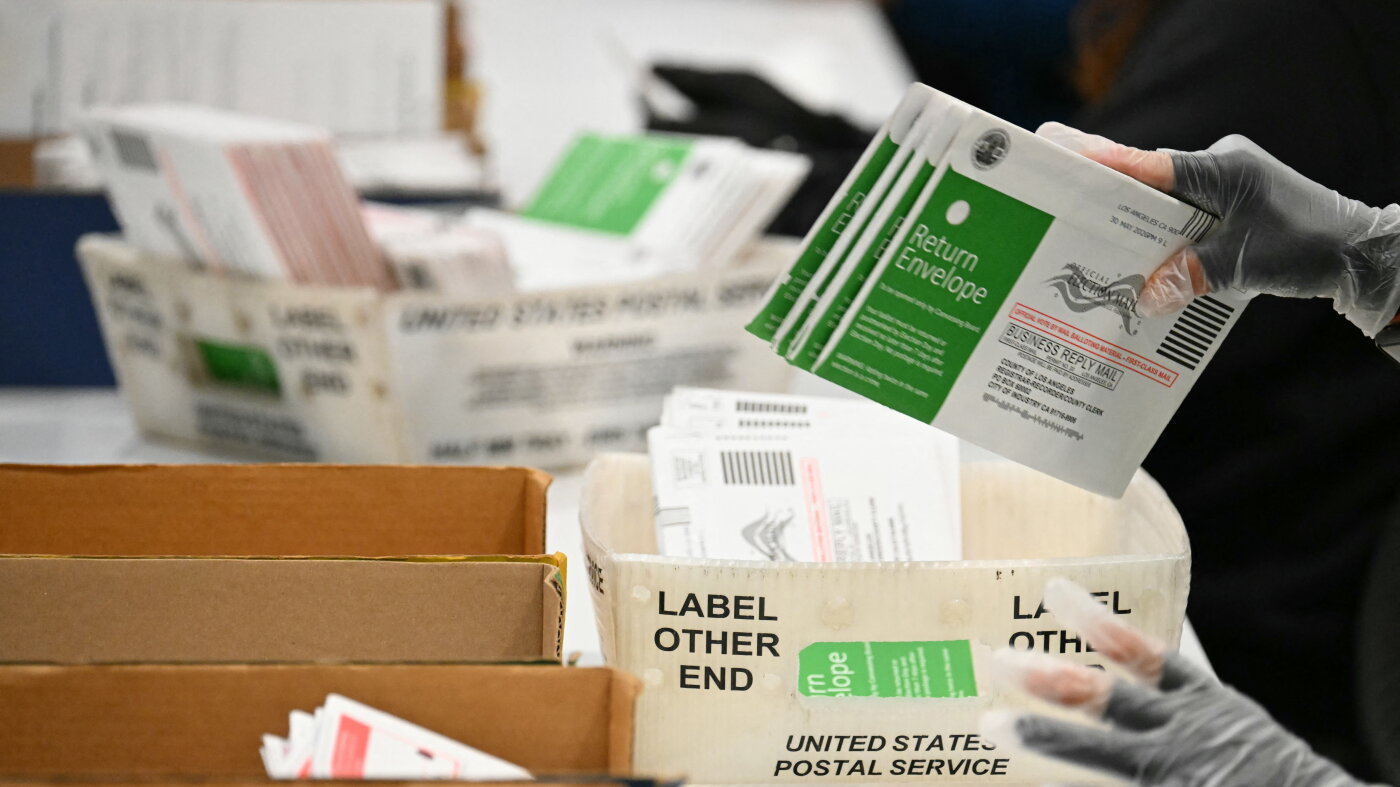
- Trump successfully seized roughly 200 boxes of 2020 ballots from Fulton County, Georgia and demanded state and county 2024 voting records, actions that most courts have resisted.
- The Department of Justice stopped traditional election-integrity training for prosecutors and FBI agents, deleted a 281-page guide on prosecuting election offenses from its website, and left its election crimes branch without a director.
- Trump said in January he should have ordered the National Guard to seize ballots during the 2020 election and pledged in a May Truth Social post to have 'an Election Integrity Army in every single State' that 'will be much bigger and stronger' than in 2024.
- A Votebeat survey of 37 election experts found that 28 reported they consider physical threats to voting places 'somewhat likely' this November.
Why it matters: The column catalogs concrete institutional shifts — five state proof-of-citizensency laws, a Supreme Court greenlight for racial gerrymandering, and a DOJ election crimes branch operating without a director — that materially reshape voter access and ballot security before November. With 28 of 37 surveyed election experts calling physical threats to polling places 'somewhat likely,' election workers and voters face a fundamentally altered environment governed less by uniform federal standards than by state-by-state and court-by-court carve-outs.
Ask SkimNews