Iran wipes out US-Israeli radars & sensors, changing course of war
Why it matters: Damage to U.S.-Israeli shared radar and sensor networks could leave U.S. forces and assets in the region much more vulnerable.
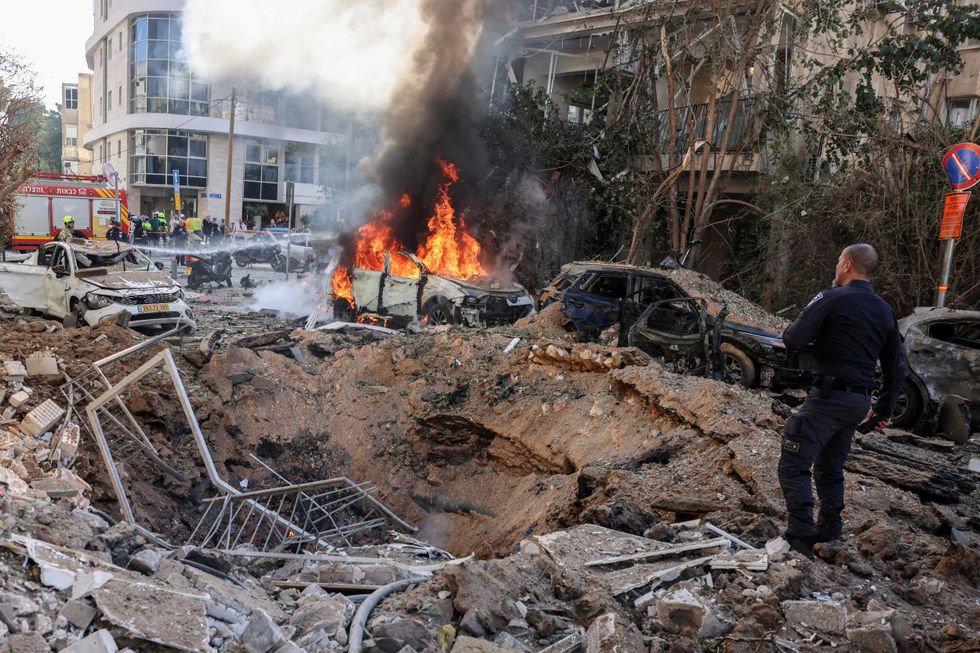
- Iranian missiles have successfully evaded Israel’s air defense system, causing significant damage in cities including Tel Aviv, Dimona, and Arad.
- Israel's air defense system, previously considered nearly impenetrable, is showing limits against Iranian ballistic missiles and long-range drones, despite layers like Iron Dome, David’s Sling, Arrow 2 and 3, and U.S.-provided THAAD systems.
- Depletion of Israel’s interceptor stockpiles is a contributing factor, with some reports suggesting up to 80% of advanced munitions were expended in the first three weeks of war, forcing reliance on other systems.
- Damage to radars and sensors underlying the U.S.-Israel-Gulf partner integrated air defense network is a more worrisome potential explanation for detection failures, rather than just interception failures.
- Dimona, a city near key Israeli nuclear facilities, was among those hit, indicating that even high-priority locations are vulnerable.
- U.S. forces and assets would be significantly more vulnerable if the shared air defense network's 'eyes' are compromised, as they rely on these systems to identify and mitigate threats.
Iran's recent missile successes against major Israeli cities like Tel Aviv and Dimona suggest a critical vulnerability in the U.S.-Israeli integrated air defense system, potentially stemming from damage to crucial radars and sensors rather than just interceptor depletion. This development challenges the long-held perception of Israel's layered air defenses as nearly impenetrable, raising concerns about the security of U.S. forces and assets in the region.