Scientists discover why cancer drugs don’t work for everyone
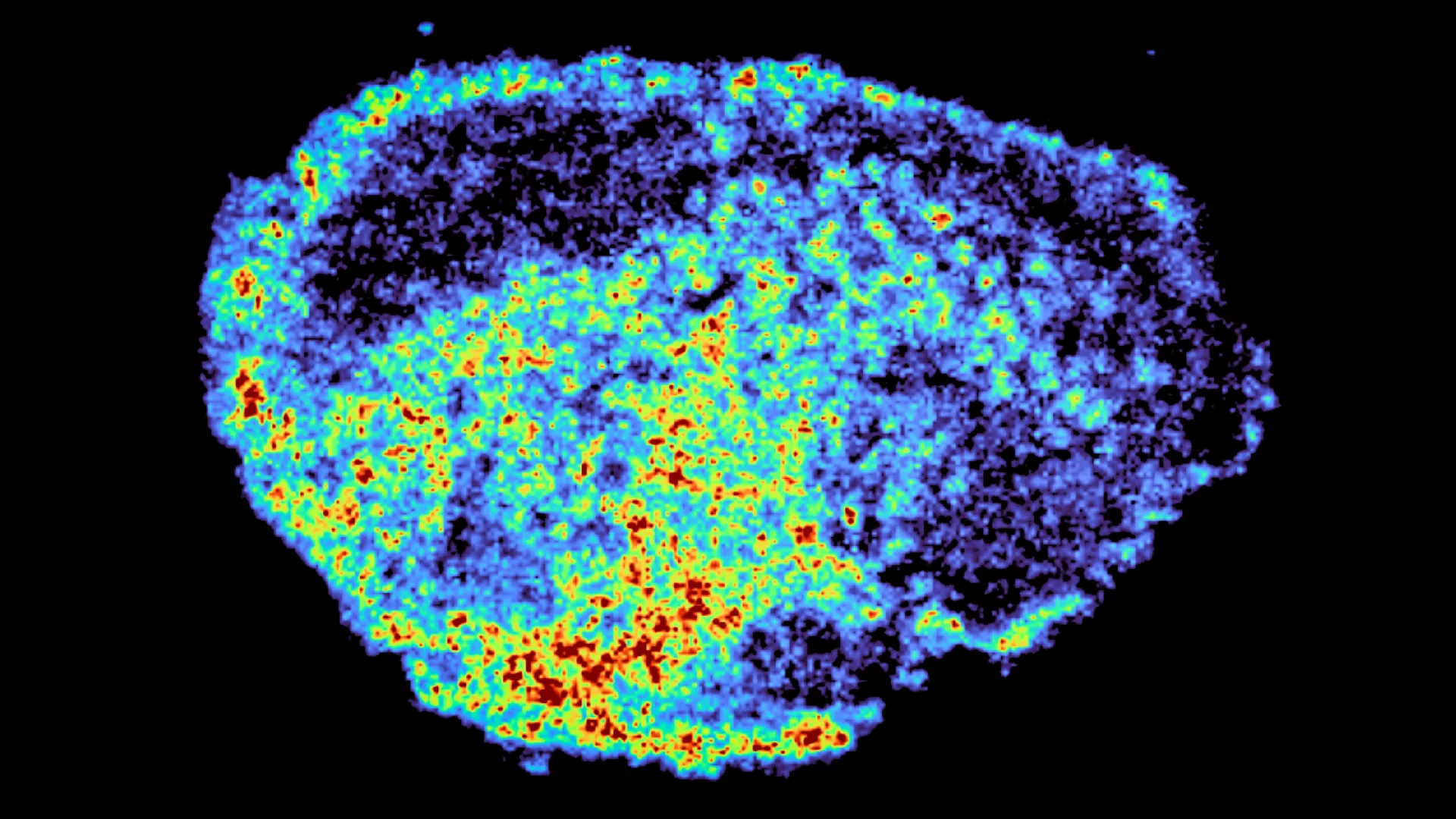
Why it matters: Understanding drug trapping in lysosomes could revolutionize cancer treatment, making therapies more effective for more patients.
- Scientists discovered that cancer drugs can become trapped in lysosomes within tumor cells, forming slow-release reservoirs.
- Uneven drug distribution results from this trapping, meaning some cancer cells are heavily exposed while others receive insufficient treatment.
- This mechanism explains why cancer treatments don't work equally well for all patients, highlighting a key challenge in drug efficacy.
Scientists have uncovered a critical reason why some cancer treatments fail: certain drugs get trapped in tumor cell lysosomes, creating uneven distribution and leaving some cancer cells untreated. This discovery explains why drug efficacy varies among patients and offers a new target for improving treatment outcomes.