Ukraine fires 400 drones at Moscow as Russia retaliates

Get the Geopolitics newsletter
Daily geopolitics — wars, elections, sanctions, the diplomatic moves that move markets. Free.
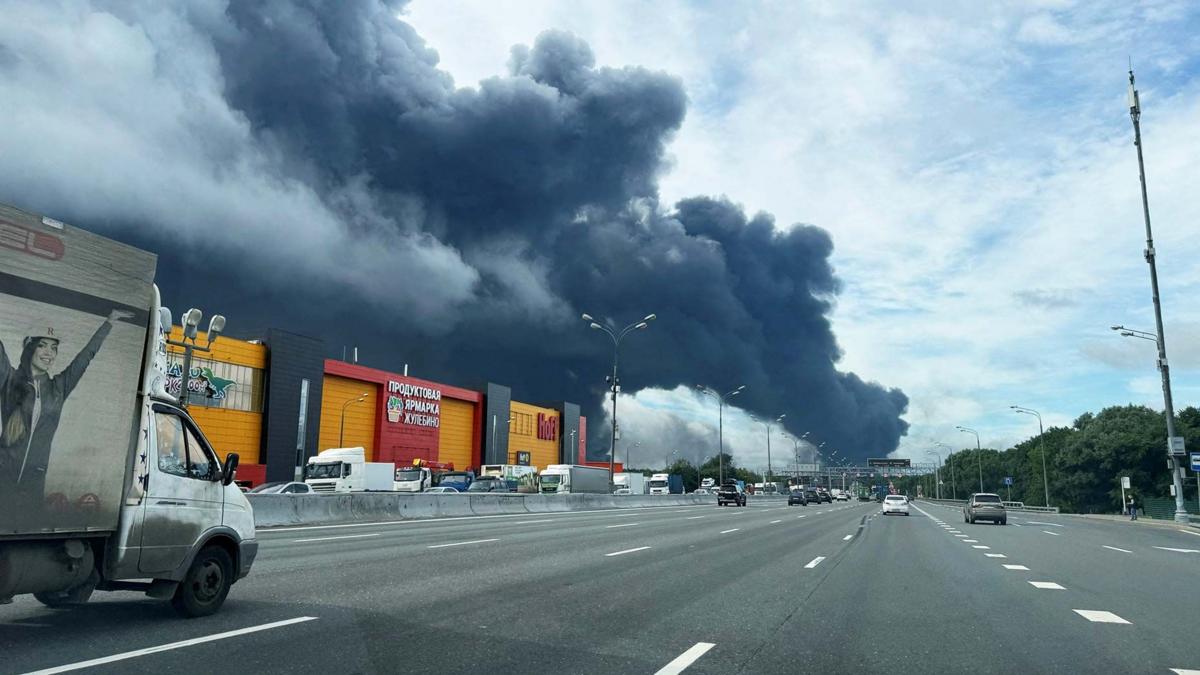
- Moscow was targeted by more than 400 Ukrainian drones from late Sunday into early Monday, with Mayor Sergei Sobyanin saying 85 were intercepted near the city and regional Gov. Andrei Vorobyov reporting 10 people wounded and damage to residential buildings.
- Zelensky announced he would hold "key talks" Monday to defuse a political crisis after dismissing 35-year-old Mykhailo Fedorov as defence minister while retaining 60-year-old Soviet-trained Gen. Oleksandr Syrskyi as armed forces chief—a move that triggered days of street protests.
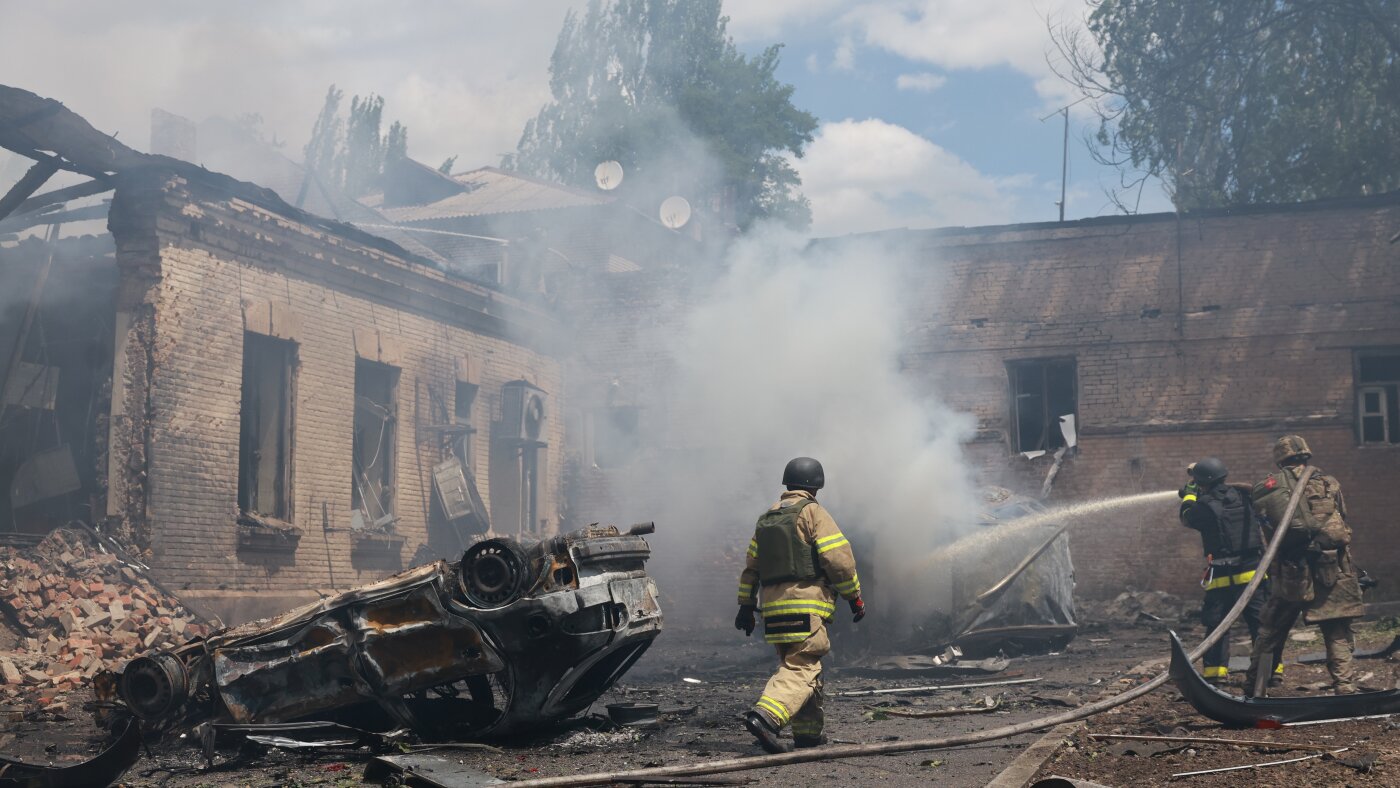
- Russia bombarded Kyiv and other Ukrainian cities with ballistic missiles hours before the Moscow drone blitz; Ukrainian officials said Sunday's strikes killed at least six people and wounded dozens.
- The Institute for the Study of War said Russia has launched more ballistic missiles in July than it reportedly produces monthly, suggesting Moscow is dipping into stockpiles to sustain an elevated tempo.
- A Ukrainian drone struck a passenger bus in Shebekino in Russia's Belgorod region, killing five people—four women and a boy—and injuring 23 others, according to acting Gov. Alexander Shuvayev.
- Ukraine's Sea Ports Authority said a cargo vessel flagged to Guinea Bissau was struck after leaving Odesa, killing 10 crew members including five Syrian sailors; Syria condemned the attacks without naming Russia.
- Ukraine's air force said Russia fired two missiles and 94 long-range drones overnight, with air defences jamming or intercepting 81 drones and strikes damaging nine locations.
Why it matters: The ISW assessment that Russia is firing more ballistic missiles than it produces monthly signals stockpile depletion, which tightens the timeline for Ukraine to secure sophisticated interceptors it is pleading for from foreign partners. Zelensky's parallel political crisis—ousting young reformer Fedorov while keeping Soviet-trained Syrskyi—plays out against this military backdrop, exposing a fault line between innovation and old-guard doctrine that will shape how Ukraine fights in the coming months.