India Farm Exports Hit by Japan, China, EU Trade Barriers

Get the Geopolitics newsletter
Daily geopolitics — wars, elections, sanctions, the diplomatic moves that move markets. Free.
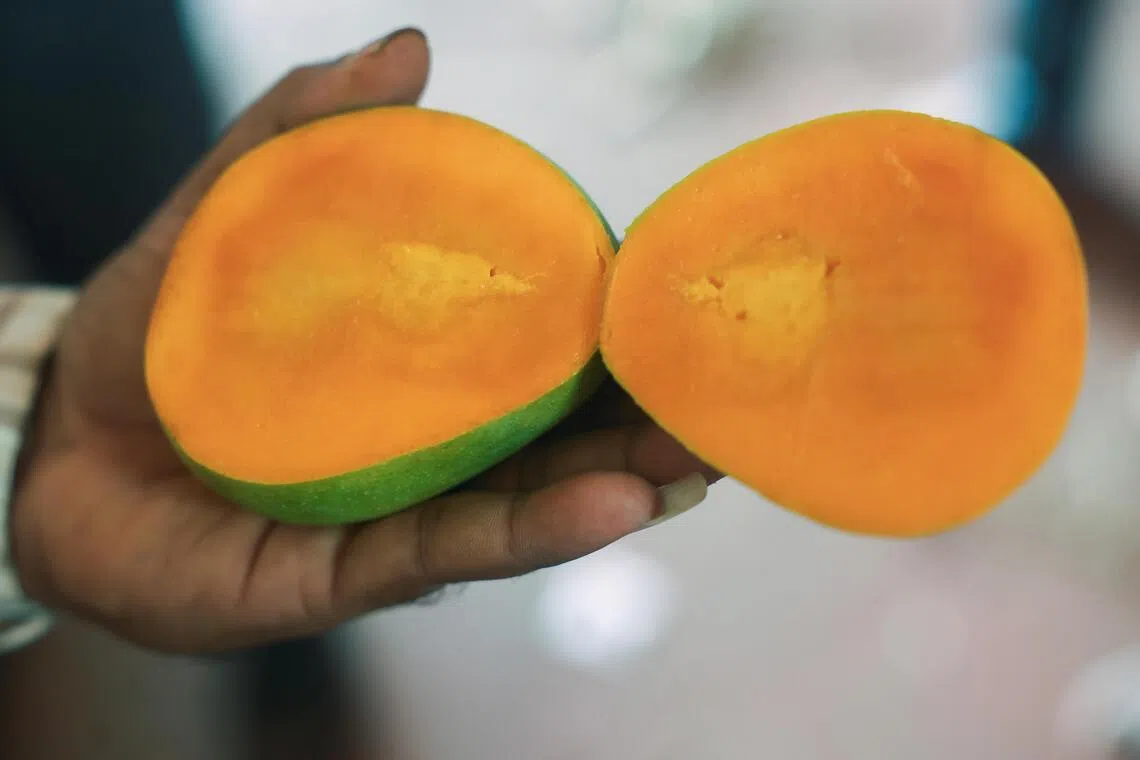
- Japan suspended Indian mango imports in March 2026 after quarantine inspectors in Yokohama flagged fumigation and certification procedures — the first major disruption in nearly two decades, barring six varieties including Alphonso and Kesar through the peak April-to-June export window
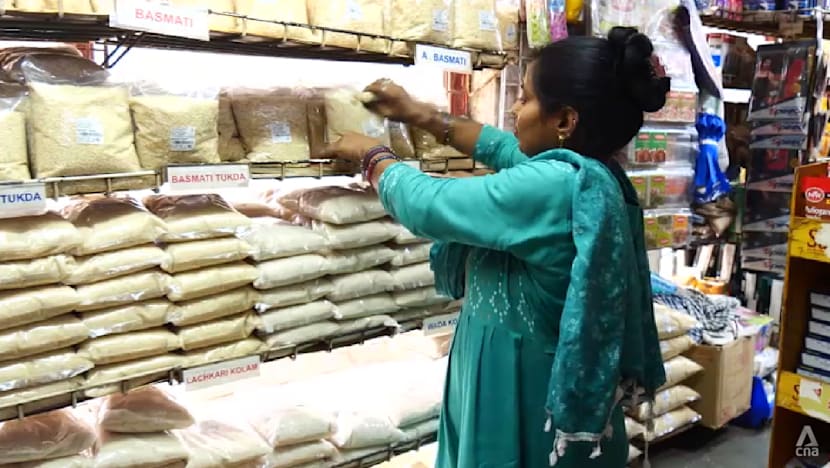
- China revoked the import licences of three Indian rice exporters on April 17 over alleged GMO traces, a finding the exporters and Indian government dispute; rice accounts for over 20% of India's agricultural exports, with a record $12.5bn shipped in fiscal year 2025-26
- Hong Kong suspended several Indian spice products after nearly 12% of samples showed pesticide residue deviations, while the EU raised cumin inspection frequency to 30% in January 2025 following 312 spice alerts logged on its rapid alert system in 2024
- India holds just 2.4% of global agri-exports despite ranking as the world's second-largest agricultural producer, with processed exports stuck near 17% versus 25% in the US and 50% in China
- India's export infrastructure shows deep gaps — only 207 registered pack houses exist, 72% concentrated in Maharashtra; cold storage and logistics eat roughly 15% of export value, almost double that of advanced nations; 86% of cultivators own under 2 hectares, hampering standardisation at scale
- Some progress is measurable — recognised laboratories grew from 22 to 89 over the past decade and approved export certificates climbed from roughly 61,000 to over 170,000 — though agricultural economist Anil Gupta called it "a beginning, well short of the finish line"
- Department of Commerce official Ujjwal Kumar Ghosh pledged tighter controls on antibiotic residues, pesticides, and aflatoxins plus upgraded laboratory capacity, though without a firm timeline
Why it matters: Japan paid nearly twice domestic prices for Alphonso mangoes, meaning Gujarat and Maharashtra growers lost their strongest premium buyer just as heatwaves destroyed much of the Konkan crop; with Thailand, Vietnam, Brazil, and Chile investing faster in traceability and cold-chain systems, India's 2.4% share of global agri-exports is at risk of further erosion unless the fragmented supply chain — where pesticide records vanish after the first sale, per food safety scientist Ananya Bose — gets digitised.
Ask SkimNews