Israel Eyes Domestic Stealth Fighter to Cut Foreign Reliance

Get the Geopolitics newsletter
Daily geopolitics — wars, elections, sanctions, the diplomatic moves that move markets. Free.
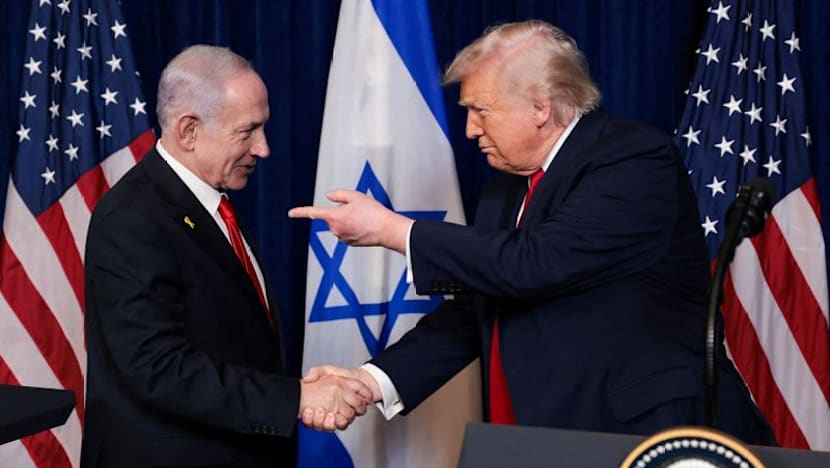
- Netanyahu briefed the Israeli press delegation in Washington on plans for a domestic stealth fighter and accompanying UCAV, citing a 10-year project timeline and a desire to operate without depending on foreign suppliers' goodwill.
- United Kingdom recently suspended roughly 30 vital F-16 parts exports to Israel, while France interfered with Israeli military supply chains and blocked Israeli access to the Eurosatory and Paris Air Show defense exhibitions.
- Past Israeli fighter programs saw mixed results: the Nesher (Mirage 5 derivative) and Kfir (GE J-79 powered, exported to Colombia, Ecuador, Sri Lanka and the US) entered service, but the Lavi was killed in 1987 by a dramatic 12-11 cabinet vote after cost overruns consumed over half of US foreign assistance.
- A clean-sheet fighter would require a US or European engine and would compete directly with Lockheed, Boeing and General Dynamics, likely demanding a US joint venture or export-limiting arrangement to defuse American industry opposition.
- A UCAV is described as the more realistic option, with Israel already networking advanced drones with the F-35 Adir; the US is concurrently developing its own Loyal Wingman (F-47) Collaborative Combat Aircraft for initial operation around 2030.
- Author Stephen Bryen concludes Israel lacks the manufacturing depth and financing to develop both platforms from scratch and is likelier to pursue a modified UCAV than a ground-up stealth fighter.
Why it matters: Israel's defense industrial base is already stretched thin, with IAI, Elbit and Rafael heavily burdened by existing orders and current security demands. A clean-sheet stealth program would compete directly with Lockheed, Boeing and General Dynamics while diverting funds from air defense and smart weapons manufacturing — making the UCAV variant the more probable outcome despite its own propulsion dependency on the United States.