China fires ICBM in South Pacific; Australia, NZ condemn — SkimNews

Get the Geopolitics newsletter
Daily geopolitics — wars, elections, sanctions, the diplomatic moves that move markets. Free.
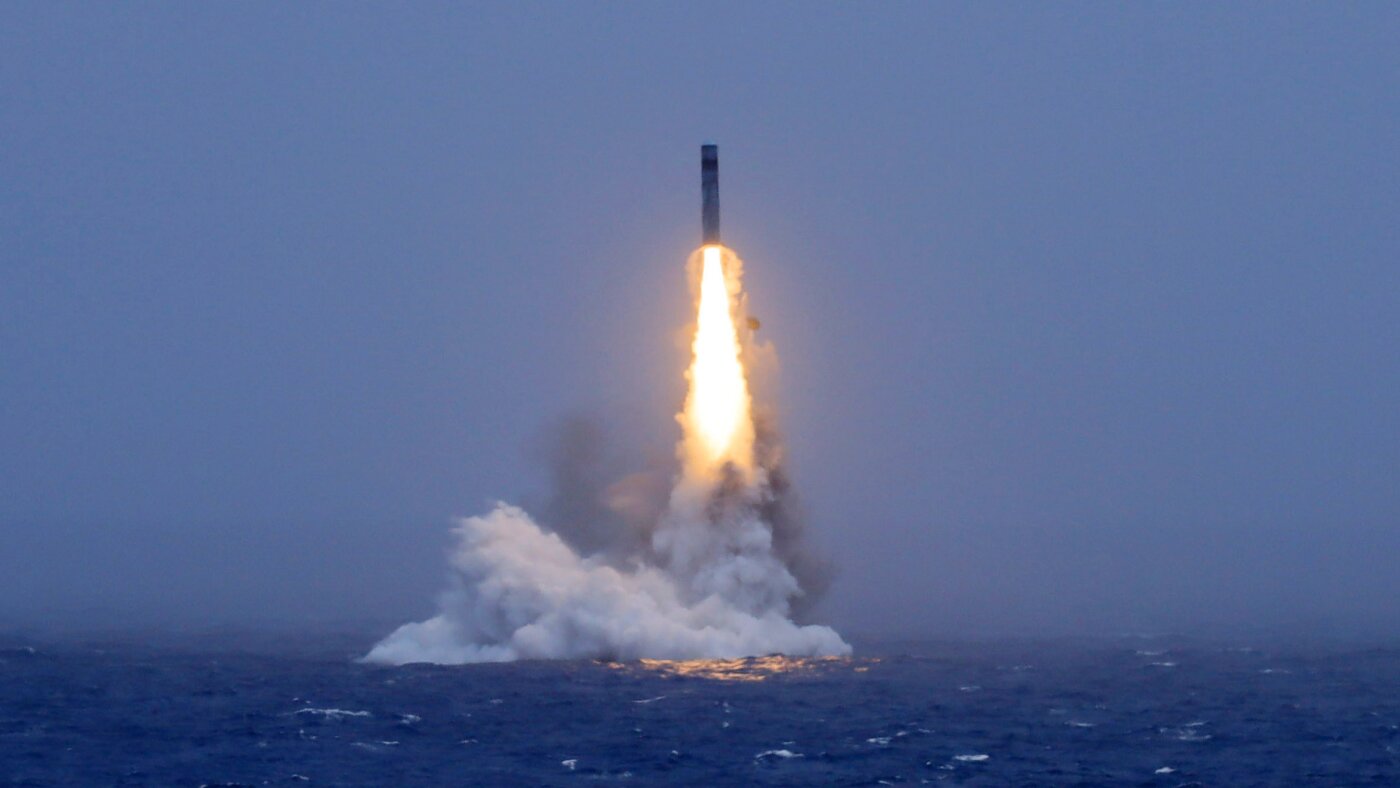
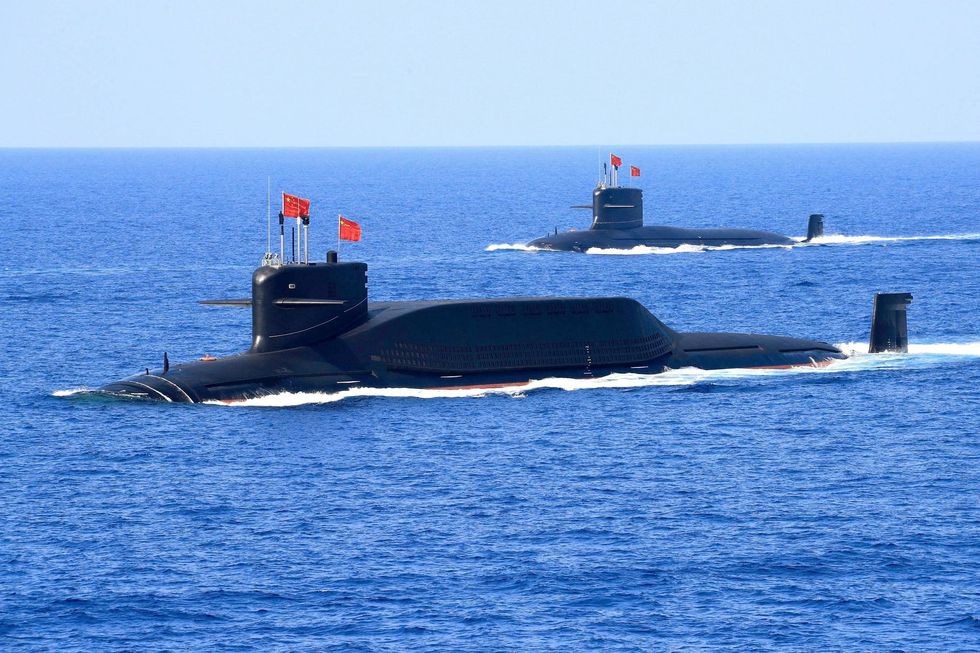
- China's PLA Navy test-fired an ICBM from a nuclear-powered submarine in the southern Pacific on Monday — its first such launch in two years — carrying a 'dummy warhead' that 'landed precisely within the designated waters,' the Navy said.
- New Zealand Foreign Minister Winston Peters said he was 'deeply concerned,' noting Beijing informed Pacific governments only hours before launch and that the strike violated the object and intent of the Treaty of Rarotonga, which China endorsed in 1987.
- The missile landed in the South Pacific Nuclear Free Zone — a region stretching from Australia to French Polynesia — to which China is a 'partial signatory' via Protocol III's ban on testing nuclear explosive devices.
- Australian Foreign Minister Penny Wong, speaking in Fiji, called the test 'destabilizing' amid a Chinese 'rapid military build-up' lacking 'transparency,' while finalizing a mutual defence treaty with Suva as part of Canberra's strategy to push back on Beijing's Pacific influence.
- Separately, the PLA Navy launched 'Joint Sea 2026' exercises with Russia off Qingdao the same day, involving 'joint reconnaissance, air and missile defence, and training in the actual use of weapons.'
Why it matters: China's previous Pacific ICBM test was September 2024 — its first in decades — so this second in two years signals a quickening pace. Australia and NZ publicly condemning it while Penny Wong was in Fiji locking in a mutual defence pact shows the two allies are racing to harden Pacific security architecture. The simultaneous launch of Russia-China 'Joint Sea 2026' drills pairs nuclear signaling with conventional naval muscle-flexing.
Ask SkimNews