Copenhagen finds antidepressant rise, starts GALADRIEL — SkimNews

Get the Health newsletter
Daily health & science — research, biotech, public health, the studies worth knowing. Free.
- University of Copenhagen analyzed wastewater from a municipal treatment plant serving roughly 350,000 residents in the Copenhagen area.
- Antidepressants such as amitriptyline (0.39 µg/L) and melitracen (0.15 µg/L) were found at higher concentrations in winter wastewater, alongside four additional toxic transformation products.
- Conventional treatment processes were shown to let these antidepressant residues pass through, leaving levels high enough to pose environmental risk to fish and aquatic life.
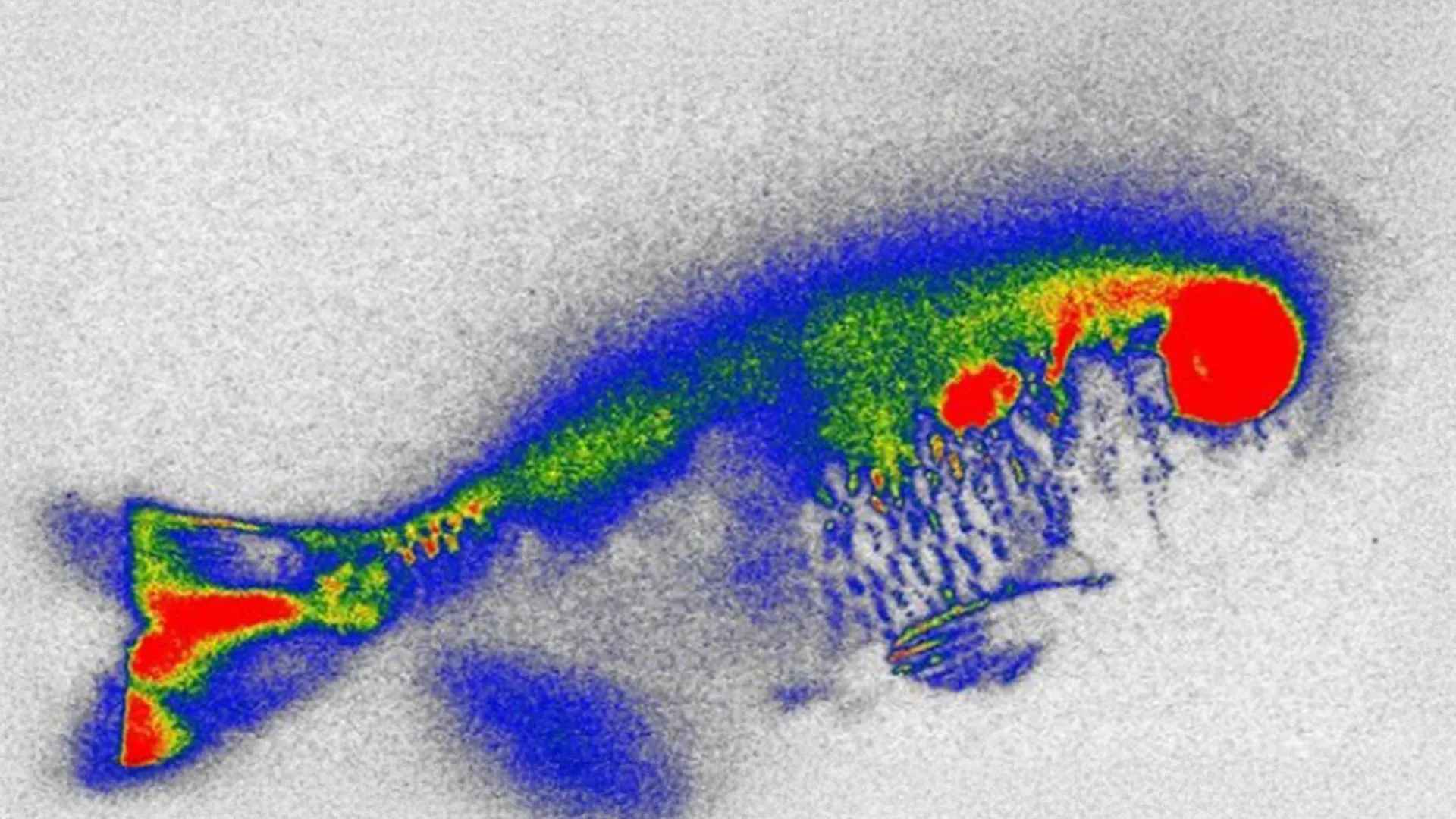
- Jan H. Christensen warned that the detected substances can cause growth problems, behavioral changes in fish, and harm beneficial algae and invertebrates.
- GALADRIEL project will use AI to monitor wastewater pollution and classify harmful substances, guiding the most cost‑effective treatment methods over a four‑year rollout starting 1 May.
- EU directive on urban wastewater treatment, to be enforced in Danish law by 2027, will require stricter removal standards, which the GALADRIEL project aims to help meet.
- Activated carbon was identified as the most effective removal strategy for amitriptyline, melitracen, and their transformation products.
Why it matters: Danish wastewater plants and aquatic ecosystems benefit from targeted removal of toxic antidepressants, while industries that rely on cheaper conventional treatment risk higher compliance costs if they fail to adopt the AI‑guided GALADRIEL approach required by the upcoming EU directive.
Ask SkimNews