Mayo Clinic discovers rare gene mutation that causes fatty liver disease
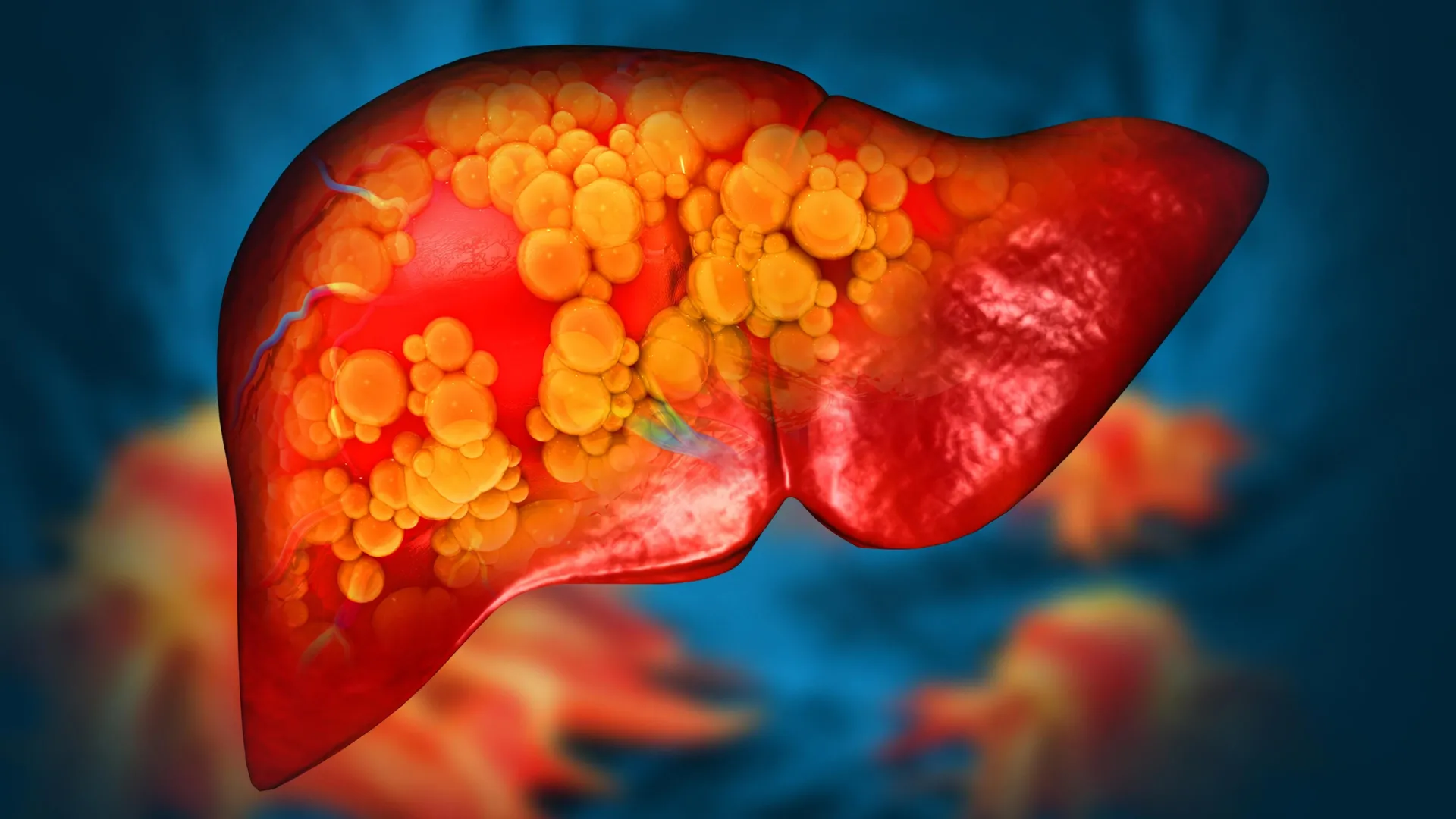
Why it matters: This genetic breakthrough offers new hope for diagnosing and treating a widespread liver disease.
- Mayo Clinic identified a rare MET gene mutation as a direct cause of metabolic dysfunction-associated steatotic liver disease (formerly NAFLD), shifting understanding from primarily lifestyle-driven to genetically triggered in certain cases.
- The MET gene mutation impairs the liver's ability to process fat, leading to accumulation, inflammation, scarring, and potentially cirrhosis, which is projected to become the leading cause of liver transplants.
- This discovery provides crucial insights into disease pathogenesis and potential therapeutic targets, suggesting that similar rare genetic variants may contribute to the disease in a broader population, even without common risk factors like diabetes or high cholesterol.
Mayo Clinic researchers have uncovered a rare MET gene mutation that directly causes metabolic dysfunction-associated steatotic liver disease, challenging previous beliefs that the condition primarily stems from lifestyle factors. This discovery, sparked by a father-daughter case without typical risk factors, reveals a genetic pathway that disrupts fat processing, leading to inflammation and potential cirrhosis.


