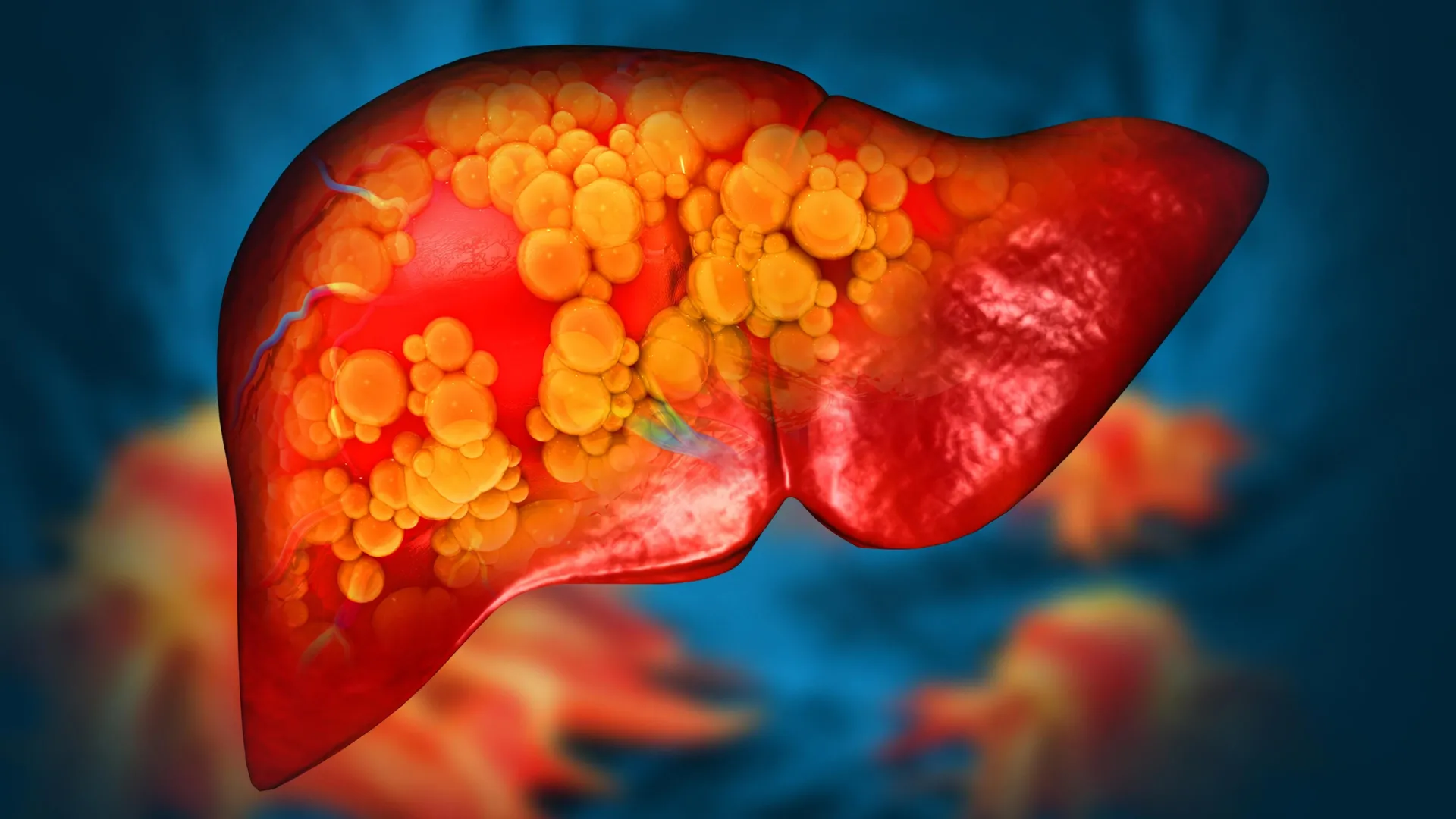
Scientists discover the body’s hidden “off switch” for inflammation
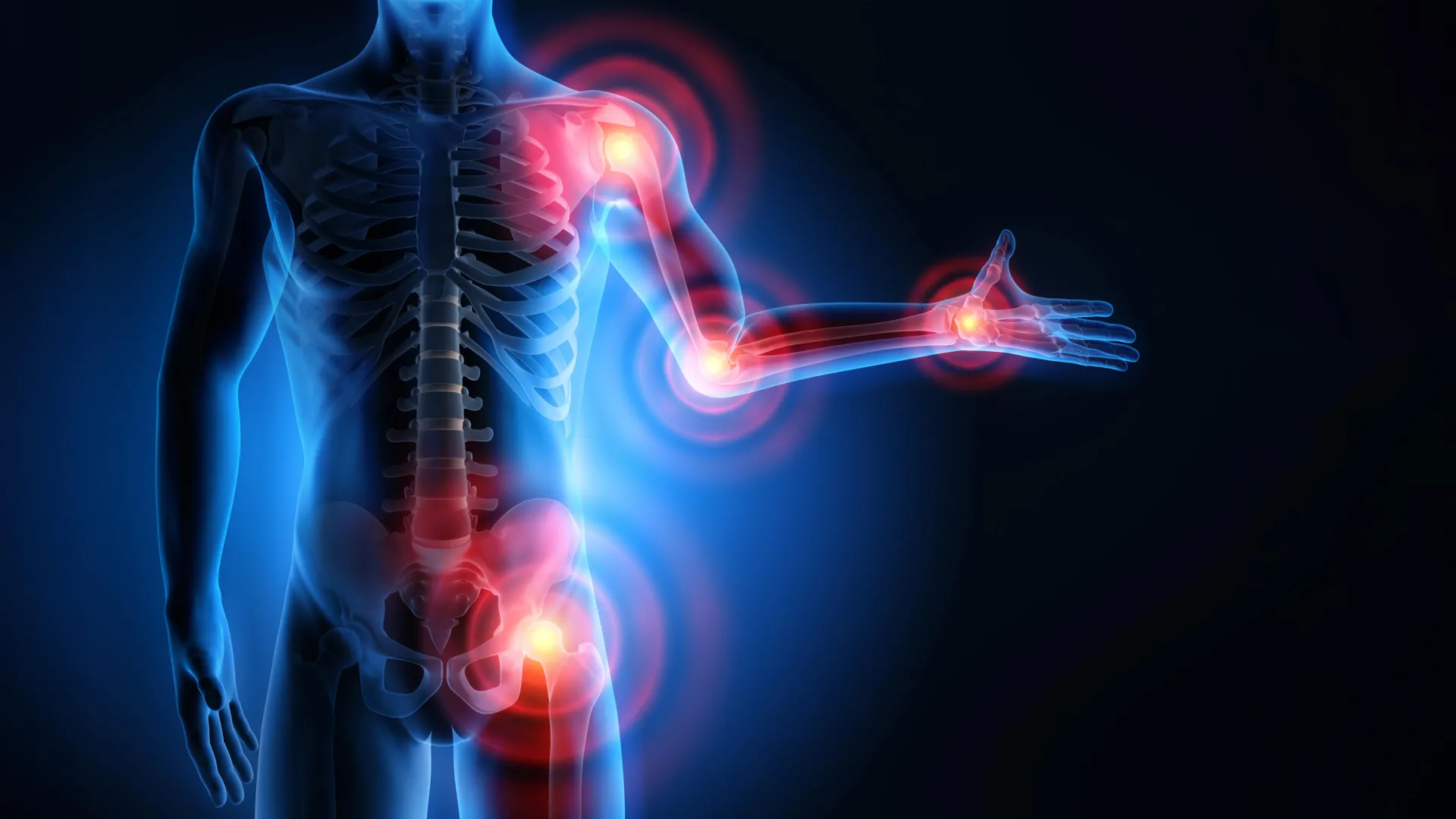
Why it matters: This discovery could lead to safer and more effective treatments for millions suffering from chronic inflammatory diseases, potentially replacing or augmenting existing therapies with fewer side effects.
- University College London identified epoxy-oxylipins as key regulators of the immune response, preventing the buildup of inflammation-driving intermediate monocytes.
- The drug GSK2256294, which blocks the breakdown of epoxy-oxylipins, demonstrated faster pain resolution and reduced harmful immune cells in human trials, suggesting a promising therapeutic avenue.
- The study used a controlled experiment involving induced inflammation in healthy volunteers to demonstrate the effectiveness of boosting epoxy-oxylipins both before and after the onset of inflammation, mimicking real-world treatment scenarios.
University College London researchers have discovered the body's natural "off switch" for inflammation: fat-derived molecules called epoxy-oxylipins. By using a drug to boost these molecules, scientists were able to reduce pain faster and lower harmful inflammatory cells, offering a potential breakthrough for treating chronic diseases like arthritis and heart disease.