NATO Summit Opens in Ankara as Russia Strikes Kyiv — SkimNews

Get the Geopolitics newsletter
Daily geopolitics — wars, elections, sanctions, the diplomatic moves that move markets. Free.
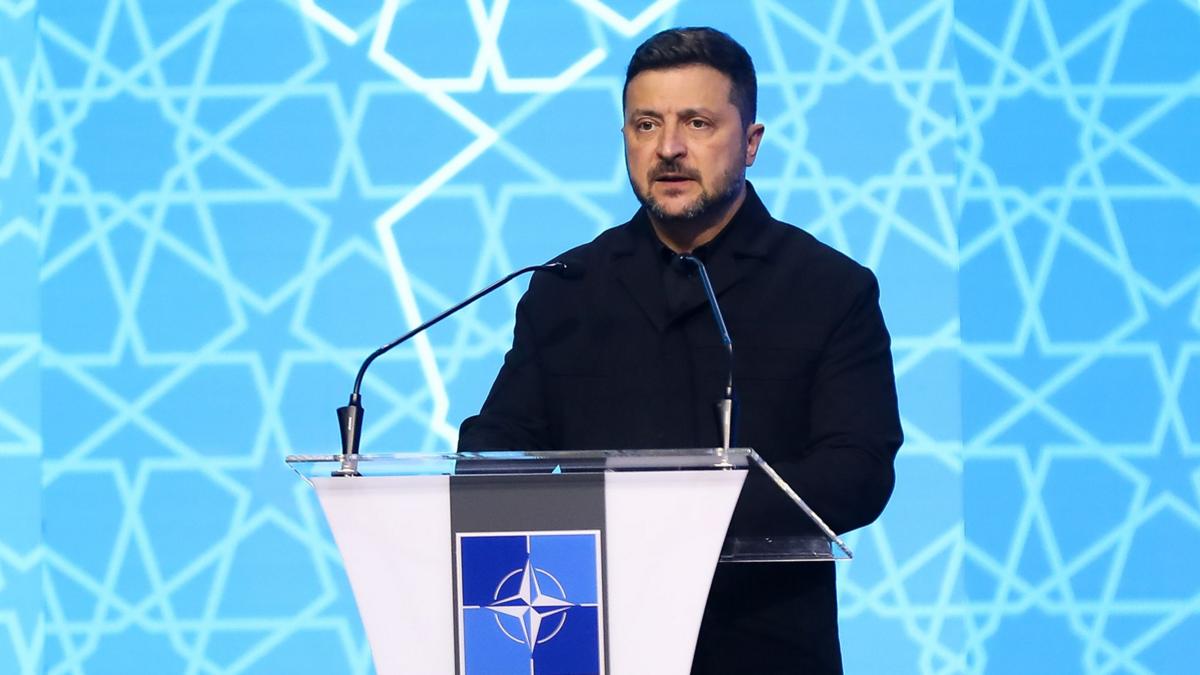
- Volodymyr Zelenskyy said "important work lies ahead in Ankara," listing defense systems, missiles, and production licenses as Ukraine's top priorities and calling for decisions that strengthen security cooperation with Europe and the United States.
- European allies want to convince US President Donald Trump to let Ukraine negotiate from a position of strength, arguing that Ukrainian drone strikes on Russian oil infrastructure and industrial facilities have shifted the battlefield, prompting a state of emergency in Russian-occupied Crimea.
- NATO Secretary-General Mark Rutte said allies and partners "must continue to ensure Ukraine gets what it needs," with the summit's declaration expected to formally define Russia as a threat to Euro-Atlantic security.
- Russian Deputy Foreign Minister Sergey Ryabkov said Moscow would be watching how Washington frames its stance on a potential deal to end the fighting, claiming recent US rhetoric showed growing deviation from prior settlement agreements.
- Russia fired missiles and drones into apartment buildings in Kyiv for the second time in a week on Monday — the eve of the summit — killing at least 24 people, according to Ukrainian authorities.
- Saab CEO Micael Johansson told reporters in Ankara the company could begin GlobalEye aircraft deliveries to NATO in 2030 if contracted quickly, with a per-aircraft price of roughly $400 million to $450 million.
- Canada's Prime Minister Mark Carney arrived at Esenboga Airport in Ankara, greeted by Turkish Treasury and Finance Minister Mehmet Simsek, to attend the two-day summit.
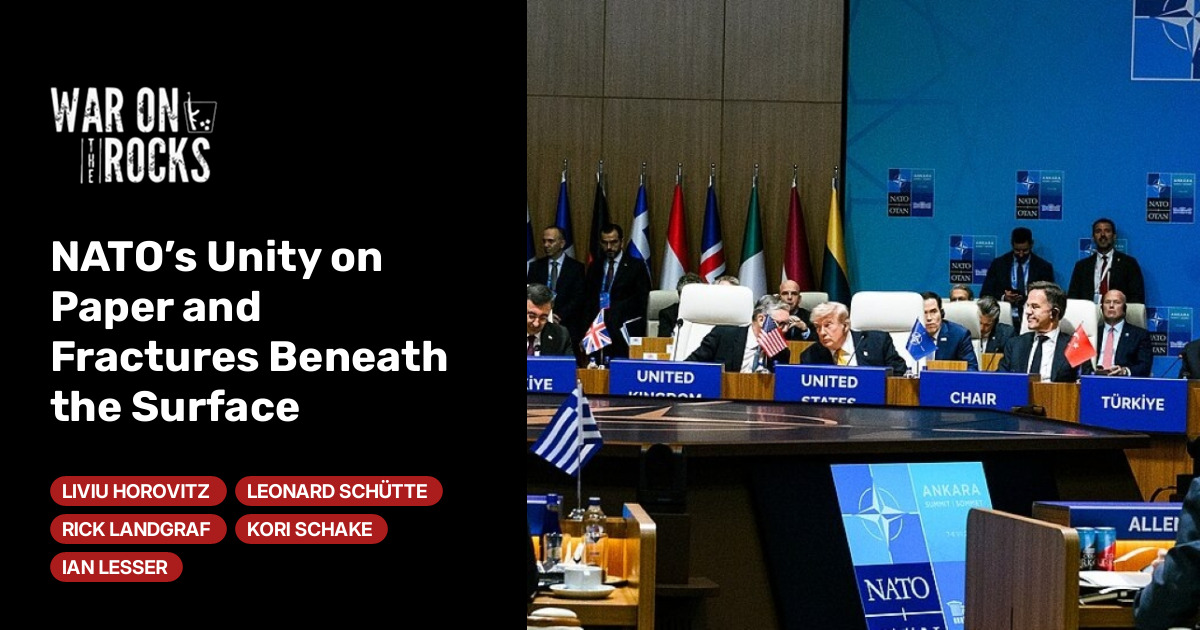
Why it matters: The Ankara summit lands at a moment when European NATO members believe Ukraine's drone campaign against Russian refineries has created rare leverage, but Moscow's deadliest Kyiv attack in a week — 24 civilians killed on the eve of the meeting — signals Russia is hardening its position rather than accommodating pressure. How Trump and the allies resolve that gap will determine whether the summit's expected declaration of Russia as a threat carries diplomatic weight or is undercut by a parallel push for a ceasefire deal.
Ask SkimNews