Singapore and Indonesia 'strategically aligned' to keep Strait of Malacca and Singapore open to all: PM Wong — SkimNews
Get the Geopolitics newsletter
Daily geopolitics — wars, elections, sanctions, the diplomatic moves that move markets. Free.
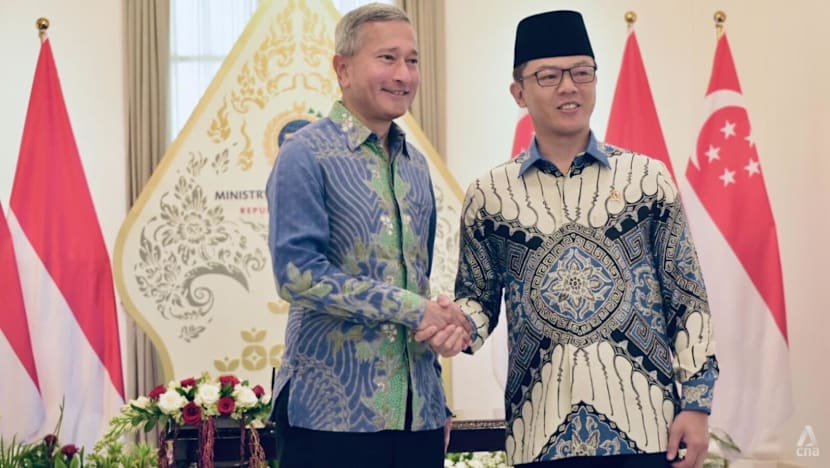
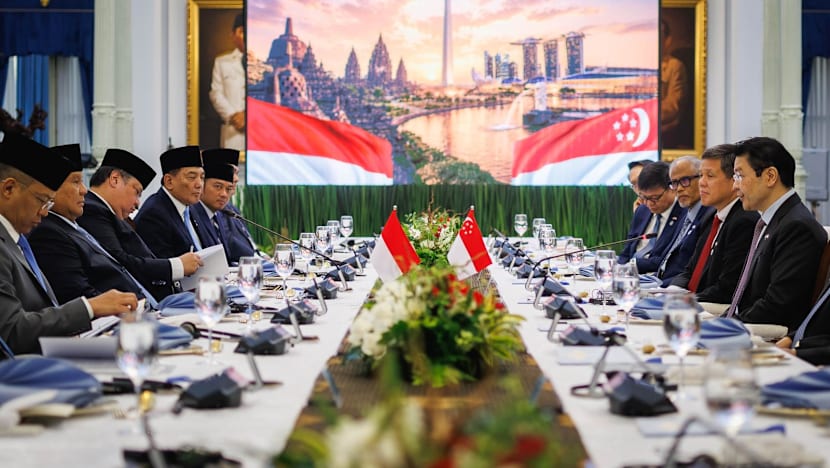
- PM Wong said Singapore and Indonesia are 'strategically aligned' on keeping the Strait of Malacca and the Singapore Strait safe, open, and accessible to all, speaking alongside President Prabowo at their second leaders' retreat in Jakarta on July 6.
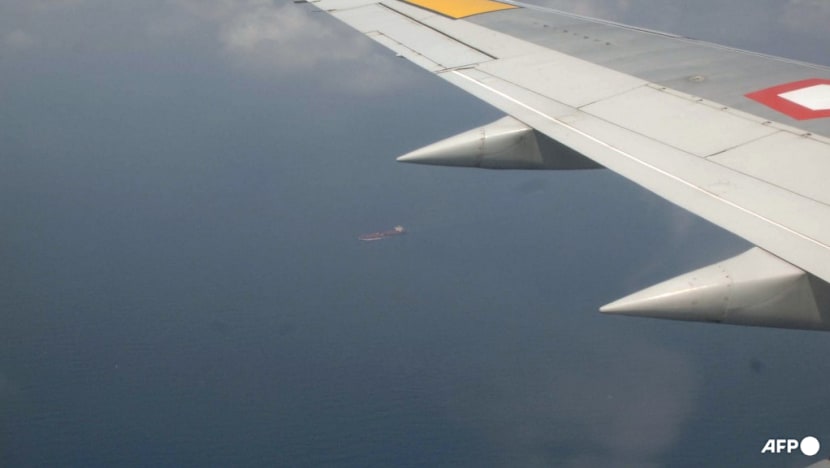
- The leaders addressed how the Middle East conflict had disrupted shipping through the Strait of Hormuz, noting that vessels had resumed passage after a US-Iran memorandum of understanding in June paused the conflict.
- Both leaders cited UNCLOS as the legal basis for upholding navigational rights and unimpeded transit passage, with Prabowo saying Singapore and Indonesia would continue coordinating closely with Malaysia and Thailand on peace, security, and protection from pollution, accidents, and piracy.
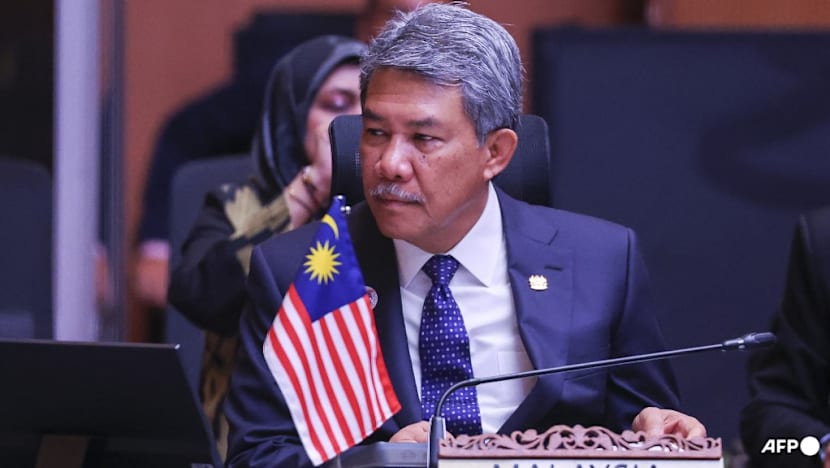
- Indonesia's Finance Minister Purbaya Yudhi Sadewa had previously floated imposing a levy on ships transiting the Malacca Strait, inspired by Iran's planned Hormuz toll, but retracted the proposal after both nations' foreign ministers stressed the importance of freedom of passage.
- Deputy PM Gan Kim Yong and Indonesia's Coordinating Minister Airlangga Hartarto issued a joint statement expressing serious concerns over the Middle East situation, calling for ceasefire observance and swift ratification of ASEAN agreements to strengthen supply chain resilience.
- Wong had warned at the recent 48th ASEAN Summit in Cebu that allowing any party to weaponize transit through an international waterway like the Strait of Hormuz could set a 'dangerous precedent' threatening sea lanes closer to home.
Why it matters: Singapore and Indonesia together border the waterway that connects the Indian and Pacific Oceans and carries a major share of global trade and energy, so their joint, on-the-record commitment to UNCLOS-based navigational freedom directly neutralizes Indonesia's own finance minister's floated Malacca toll and forecloses any Hormuz-style unilateral levy. The coordinated bilateral stance—reinforced at the ASEAN Summit in Cebu—gives the region a unified legal platform should any future chokepoint crisis emerge.
Ask SkimNews