Ukraine's New Military Chief Vows Major Offensive Escalation

Get the Geopolitics newsletter
Daily geopolitics — wars, elections, sanctions, the diplomatic moves that move markets. Free.
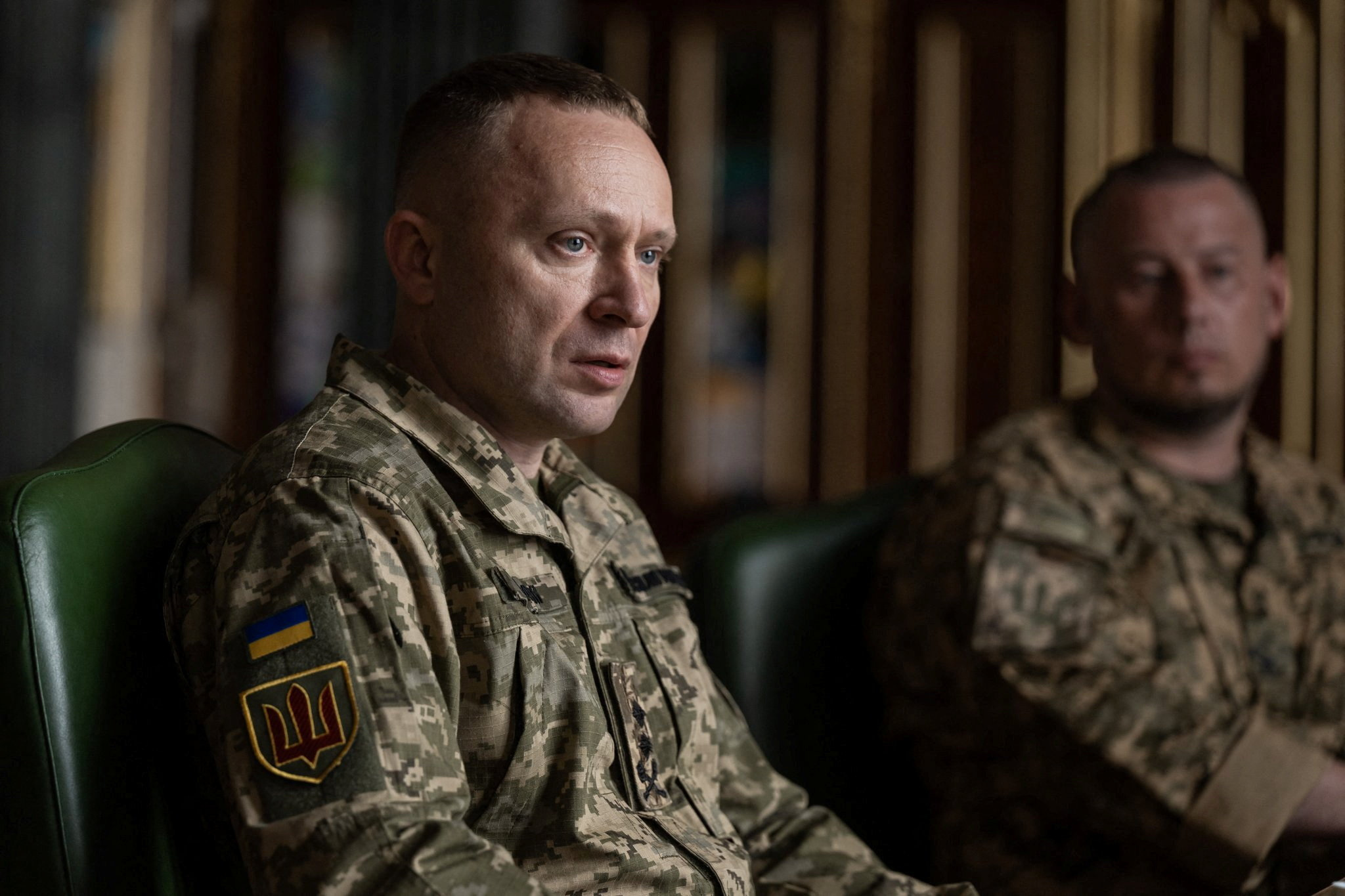
- Mykhailo Drapatyi, appointed Ukraine's armed forces commander by President Zelenskyy on Wednesday, pledged to "continue and intensify offensive operations in all domains" including missions behind enemy lines, saying he would proceed "without loud promises."
- Ukraine claims to have recaptured 700 square km (270 square miles) of its territory this year, and on Wednesday hit Wildberries warehouses in southern Russia for the second time this week, along with an oil depot, a tanker, and four cargo ships from Russia's "shadow fleet" in the Black Sea and Sea of Azov.
- Russia's Ministry of Defence claimed simultaneous attacks on a dry-cargo ship at Chornomorsk port, storage facilities at Odesa, a cargo ship and bulk carrier transporting military cargo, and three drone warehouses, while asserting new battlefield advances at Artilne (Kharkiv) and Blahodatne (Zaporizhzhia).
- Kremlin spokesman Dmitry Peskov dismissed Drapatyi's appointment, saying it would not change the situation on the frontline.
- Zelenskyy said obtaining more Patriot interceptors is a "critical priority," revealing he discussed licences for Patriot air defence system production with visiting US Ambassador to NATO Matthew Whitaker amid Russia's increasing use of ballistic missiles.
- Russia's Foreign Minister Sergei Lavrov is set to meet US counterpart Marco Rubio on Thursday in Manila on the sidelines of the ASEAN gathering, with Rubio saying he would see if there was an opportunity to renew Ukraine peace talks that have been stalled for months.
Why it matters: Ukraine's battlefield momentum—700 square km recaptured this year—coincides with a leadership reset and intensified infrastructure strikes on both sides, raising the stakes for a diplomatic meeting in Manila between Lavrov and Rubio. Zelenskyy's push for Patriot production licences signals Kyiv is trying to close its air-defence gap as Russia leans harder on ballistic missiles, while the Kremlin's dismissal of the new commander underscores that escalation, not de-escalation, is the operative track.