India Women's Quota Bill Fails Parliament Vote
SkimNews Take
The bill's failure, despite a stated goal of women's representation, highlights how constitutional amendments become entangled with electoral strategies, making even seemingly progressive reforms vulnerable to political gridlock.
Get the Geopolitics newsletter
Daily geopolitics — wars, elections, sanctions, the diplomatic moves that move markets. Free.
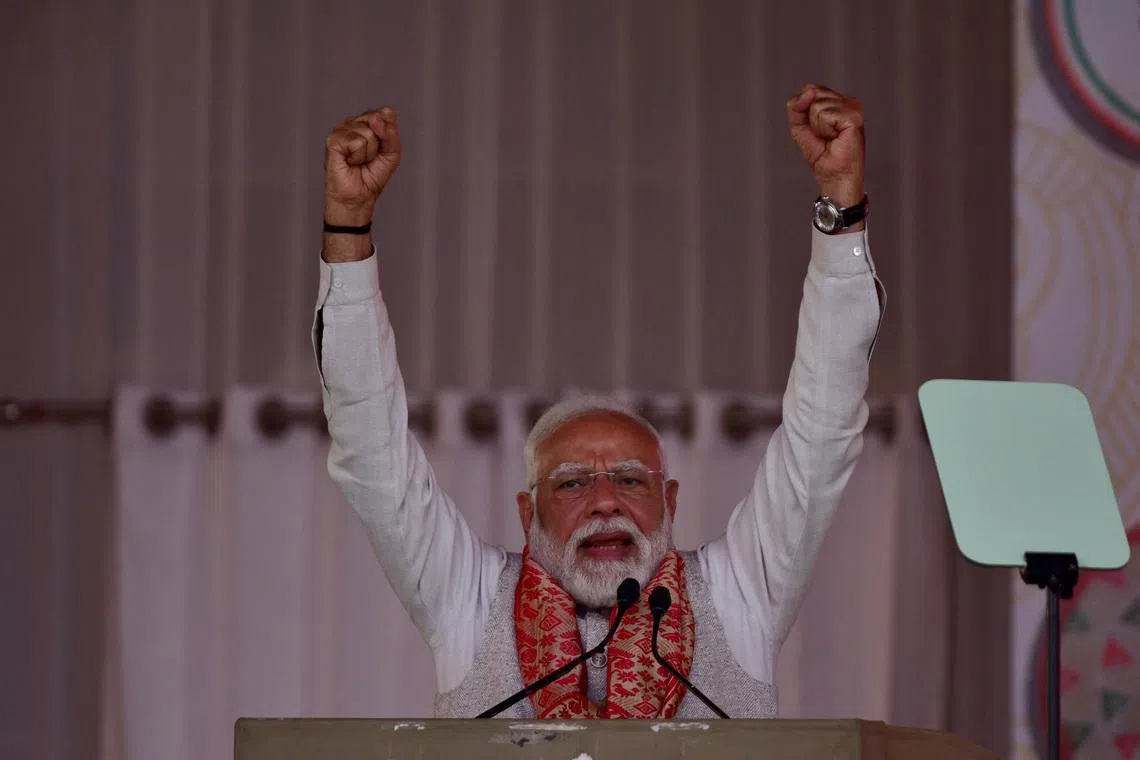
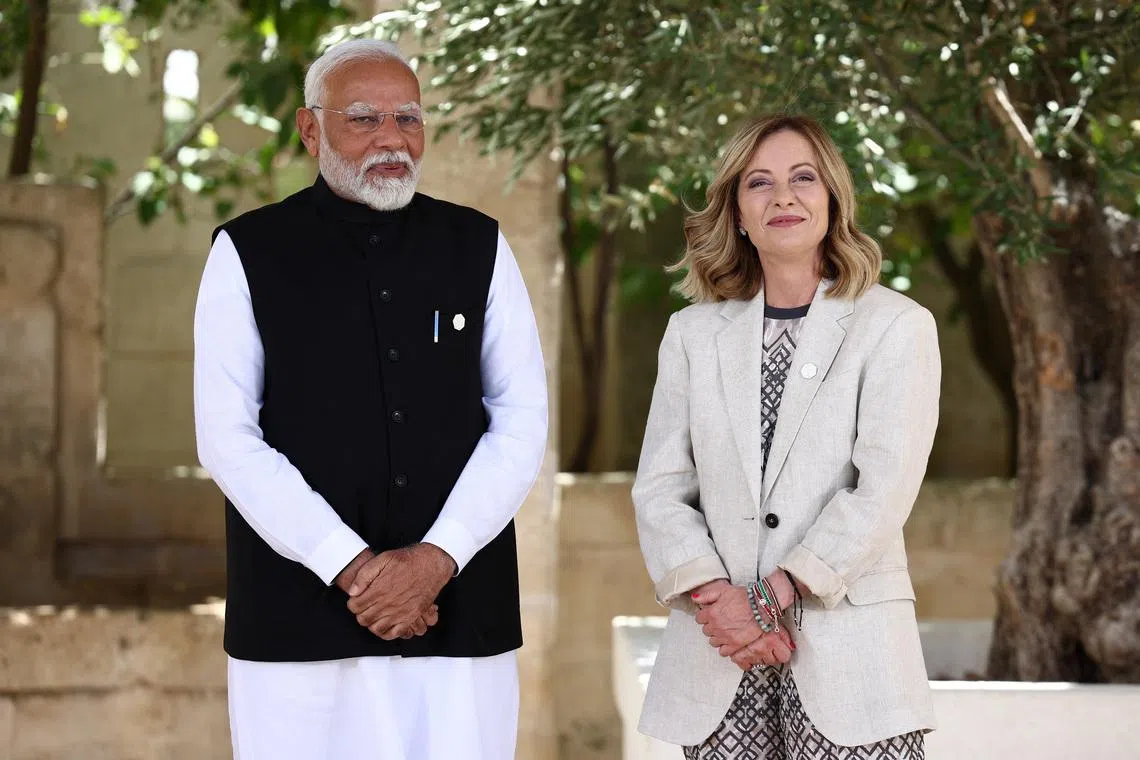
- India's Parliament rejected the government bill on April 17 by a 298-230 vote, far short of the two-thirds majority needed to amend the Constitution — a rare defeat for PM Modi's administration.
- The bill would have increased the Lower House to 850 seats (roughly a 55% expansion) by 2029 to reflect population shifts since the 1971 census, with similar growth planned for regional assemblies.
- Rahul Gandhi called the bill 'unconstitutional,' accusing the government of using 'an unconstitutional trick in the name of women to break the Constitution' minutes after the vote.
- Amit Shah hit back in Parliament: 'The women of this country will not forgive you,' as the government said it would continue campaigning for quotas.
- A 2023 law had already agreed to a one-third women's reservation but tied implementation to the next census, still under way, pushing any quota past the 2029 election.
- Women currently hold just 14% of Lower House seats, 17% in the Upper House, and roughly 10% in state legislatures.
Why it matters: This is a rare legislative defeat for Modi's government and stalls a 2023 law that had already promised a one-third women's quota but tied it to an unfinished census. With women holding just 14% of Lower House seats and the bill's failure meaning no quota path before the 2029 election, the parliamentary math is unchanged for now — and both sides have already claimed to be fighting for women's representation.