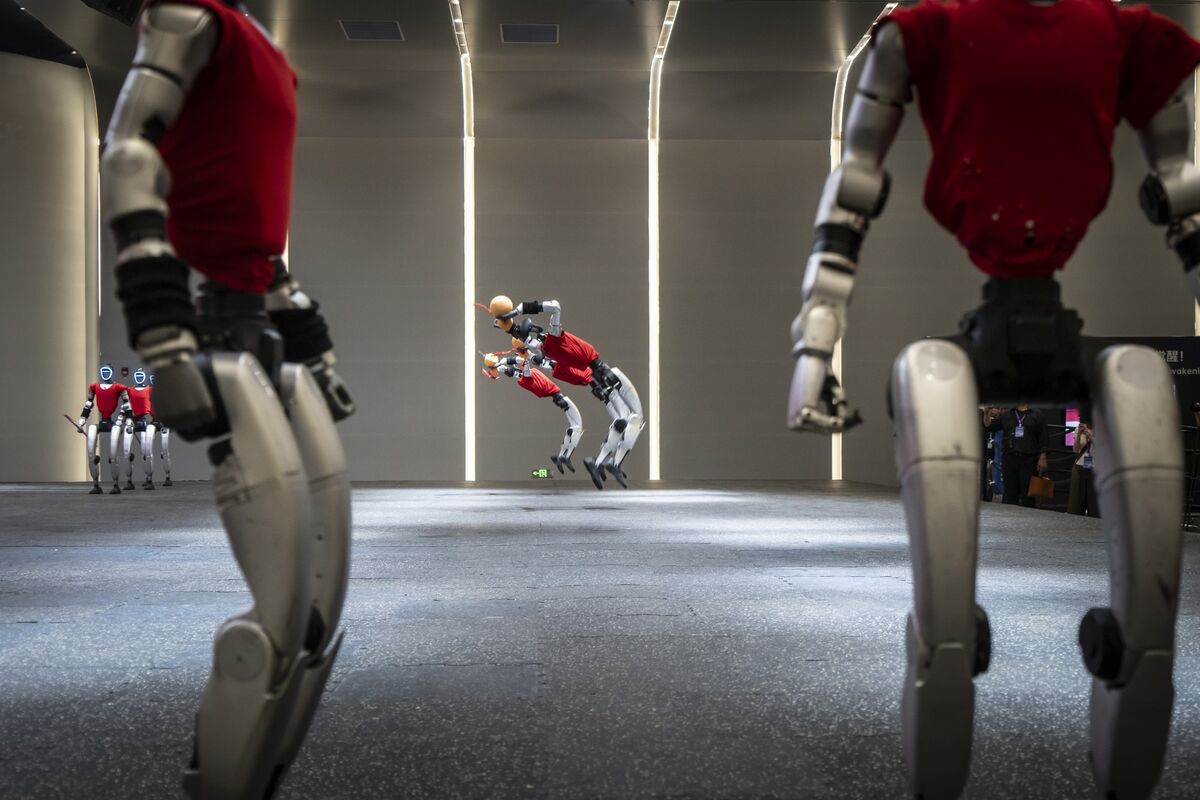
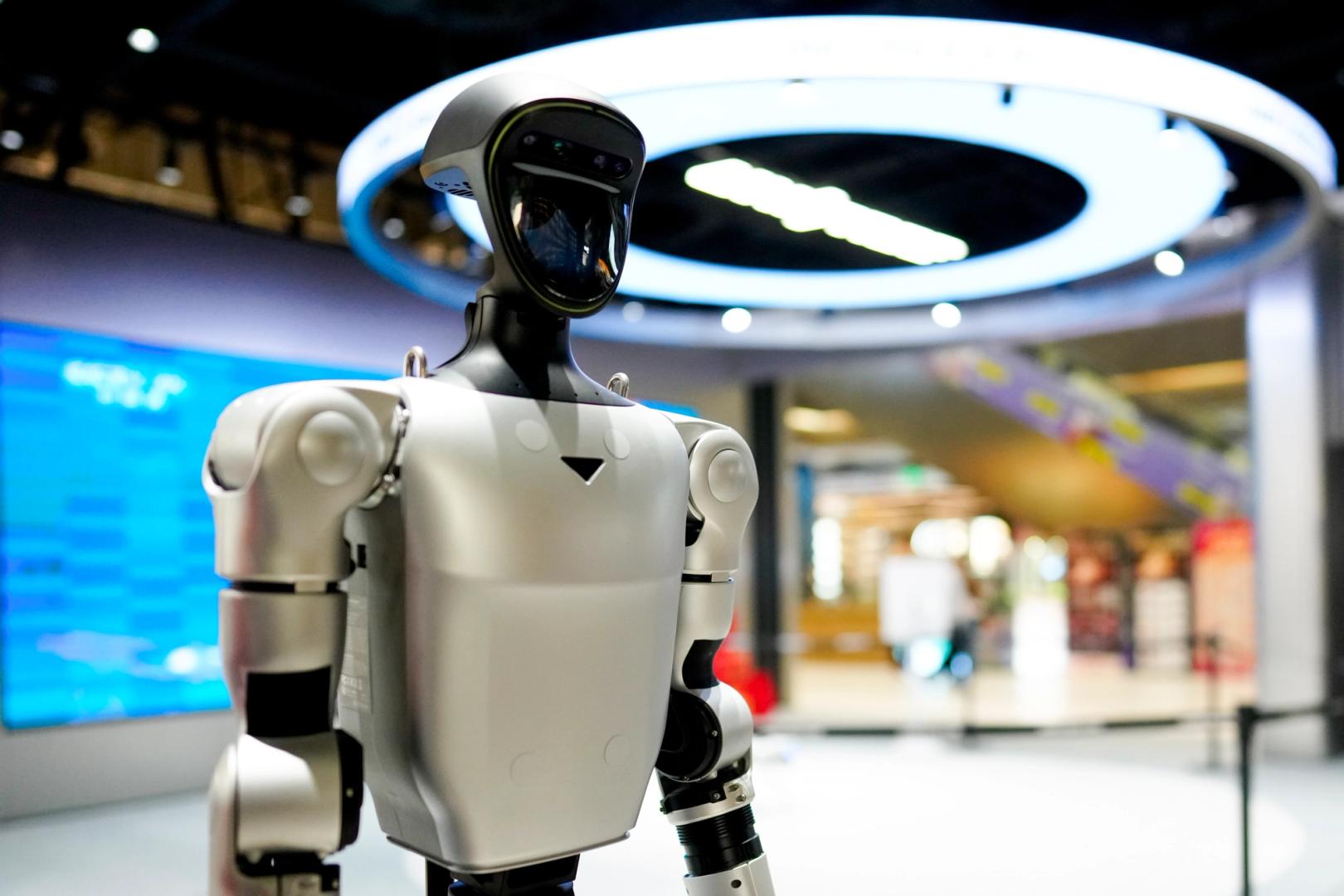
China built robots that can do backflips – but can they make money?

Get the Finance newsletter
Daily finance — markets, central banks, M&A, the prints that move money. Free.
- Unitree Robotics priced its IPO at 150.8 yuan ($22.40) per share, raising $900 million and valuing the company at $9 billion ahead of its mainland listing on the STAR market
- Retail investors oversubscribed Unitree's online IPO tranche more than 5,000 times, resulting in a 0.018% lot-winning rate—the lowest in STAR market history
- Unitree reported that nearly three-quarters of its humanoid robot revenue in the first nine months of 2025 came from research and education, with corporate tours making up over half of its small industrial segment
- Wood Mackenzie projects the global humanoid robot fleet will grow over 90% annually through 2035, reaching more than 10 million units, with China deploying nearly 90% of humanoids last year
- SemiAnalysis estimates Unitree cut the pre-tax price of its G1 EDU model by over 45% since last year to $27,300 while maintaining a 67% gross margin, reflecting cost advantages from scale
- VP Bank's Dominik Pross noted most advanced humanoid robots can perform only a narrow set of tasks for up to four hours before recharging, and must be individually trained for each activity
- SAG's Linda Sui warned Chinese robotics firms remain dependent on Western components like Nvidia’s hardware stack, creating geopolitical risk despite China’s dominance in rare earths
Why it matters: Unitree’s $9 billion valuation—over 200 times last year’s earnings—is supported by real revenue growth and manufacturing scale, but its reliance on research sales and exposure to U.S. import restrictions make profitability timelines uncertain as electricity demands from AI and robotics strain infrastructure.
Ask SkimNews