Optiver Prioritizes AI Models Over Latency Cuts
Get the Tech newsletter
Daily tech — startups, AI labs, chips, the launches that shape the next decade. Free.
- Optiver runs ~2,200 staff including ~950 engineers across 11 offices, executes 10M+ trades daily on 100 exchanges, and posted €4.5B ($5.1B) in trading income with €1.7B ($1.95B) profit in 2025.
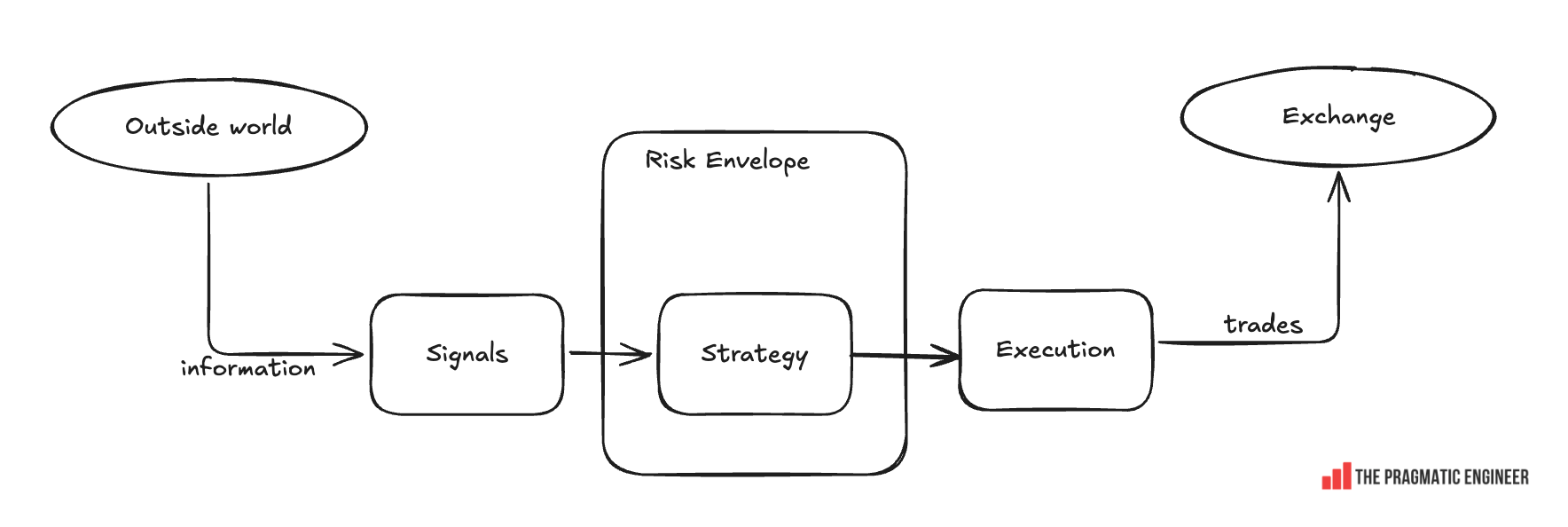
- Optiver now invests more in building better AI models than in lowering latency, CTO Alex Itkin said, because ultra-low latency is no longer a competitive moat as competitors have closed the gap.
- Optiver manufactures its own hardware — including custom chips and FPGA work — to push its fastest trading system into the sub-nanosecond realm where, per the company, 'measurement noise becomes a challenge in itself.'
- Knight Capital nearly went bankrupt after a single bug in its high-frequency trading system triggered a $440M loss, a cautionary tale that shapes engineering caution across prop trading firms.
- The prop trading field has consolidated: CTO Alex Itkin says only a 'handful of really big firms' survive today, partly because research clusters cost hundreds of millions of dollars.
- Optiver has no external customers — its own business is its only customer — creating a distinct incentive structure where speed-chasing pairs with extreme caution to avert financial disasters.
- Optiver shifted hiring from mostly juniors to experienced engineers, reflecting a higher technical bar and competition for talent with tech firms.
Why it matters: For software engineers, prop trading firms like Optiver offer top-of-market compensation and full-stack hardware-to-software work — but the engineering bar is shifting from latency optimization to AI modeling as the industry consolidates around a handful of firms able to afford hundreds of millions in research infrastructure. Engineers weighing their next move now face a narrower field where AI expertise matters more than squeezing out microseconds.
Ask SkimNews