US-Iran Ceasefire Collapses Over Hormuz Control Dispute — SkimNews
Get the Geopolitics newsletter
Daily geopolitics — wars, elections, sanctions, the diplomatic moves that move markets. Free.
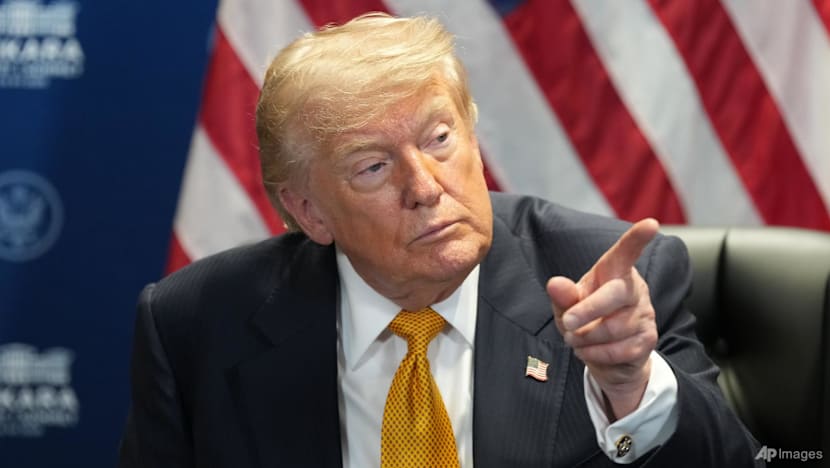
- Trump has for the first time definitively stated the US-Iran ceasefire is "over" since the initial April 8 truce, after the US launched strikes on Iran — the most severe violations yet of the June 17 memorandum of understanding.
- Iran is using live fire and attack boats to deter commercial vessels from using the US-endorsed "Omani route" through the Strait of Hormuz, insisting instead on an Iranian-controlled coastal passage it can monitor.
- The June 17 MoU required Iran to use its "best efforts" to ensure safe passage of commercial vessels through the strait for 60 days at no charge — a commitment Tehran is now actively undermining through its targeting of shipping.
- The US holds overwhelming military capability but lacks political will for boots-on-the-ground invasion or sustained blockade, while Iran's post-war hardened regime — with the IRGC more firmly in control — is ideologically driven to assert dominance regardless of cost.
- Iran's main weakness is economic after massive military and infrastructure damage, yet the regime's greatest strength is political resolve, with leaders risking being branded traitors for any concessions — a dynamic the article compares to the 1981 assassination of Egypt's Anwar Sadat.
- Jessica Genauer, an academic at UNSW Sydney, projects the most likely outcome is a return to the April 8–June 17 status quo: a precarious frozen conflict below the threshold of all-out war, with tit-for-tat strikes continuing and the Strait of Hormuz remaining partially closed.
Why it matters: The ceasefire's collapse over Hormuz routing means the Strait of Hormuz will remain partially closed with security uncertain for months, according to the analysis, while the US$300 billion reconstruction fund promised to Iran and any sanctions relief are now off the table — locking both sides into a costly stalemate the US lacks the will to escalate and Iran cannot afford to absorb.
Ask SkimNews


