Childbirth Harder for Many Primates Than Humans, Study — SkimNews

Get the Health newsletter
Daily health & science — research, biotech, public health, the studies worth knowing. Free.
- Nicole Torres-Tamayo and colleagues at UCL analyzed 29 primate species and concluded many must squeeze large-headed infants through too-narrow pelvises — challenges potentially worse than what humans face.
- The study overturns Adolph Schultz's influential 1940s research, which found most primates give birth easily; his method applied human-pelvis measurement landmarks to all primates, systematically overestimating birth canal size in non-human species.
- Bush babies and tamarins show the most severe mismatch, with newborn heads nearly twice the size of the birth canal — and these species dislocate pelvic bones during birth, temporarily doubling the canal's diameter.
- Great apes largely avoid severe birth difficulties due to their larger body size, making humans the only large-bodied ape with significant childbirth challenges, according to researcher Lia Betti.
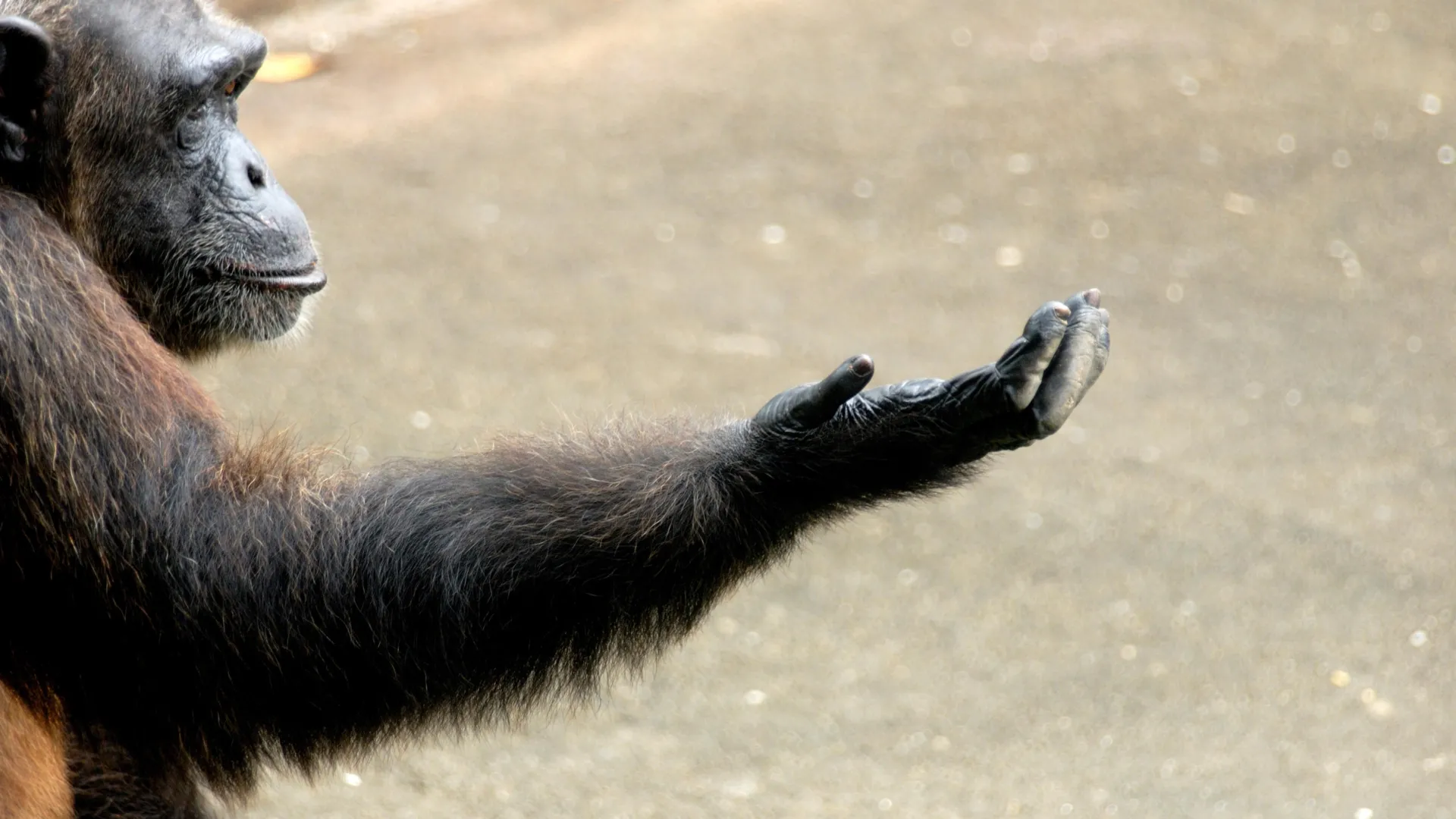
- Nicole Webb at the University of Zurich pointed to her own 2024 study showing chimpanzees also have uncomfortably tight matches between birth canal and infant head, prompting calls to revisit assumptions on both sides.
- Lia Betti and Torres-Tamayo argue birth difficulties may be the ancestral primate condition, dating back more than 50 million years to the earliest small-bodied primates.
Why it matters: This reframes a foundational assumption in physical anthropology — that difficult childbirth is a uniquely human byproduct of bipedalism — by showing the head-pelvis mismatch is widespread, and possibly ancestral, across primates. For researchers studying hominin evolution, the puzzle of human birth difficulty now needs to be contextualized within a broader primate pattern rather than treated as an evolutionary outlier, and it raises new comparative questions about the anatomical and behavioral solutions different lineages have evolved.
Ask SkimNews