Remembering summer 1976: how the historic heatwave has become our new normal — SkimNews
Get the Energy newsletter
Daily energy & climate — solar, EVs, oil, the policy fights and tech bets shaping the transition. Free.
- University of Reading, Newcastle University, and the Royal Meteorological Society held a 1976 heatwave anniversary event in a King's Cross basement in partnership with the Met Office, attended by MPs and policymakers as phones lit up with the UKHSA's red warning.
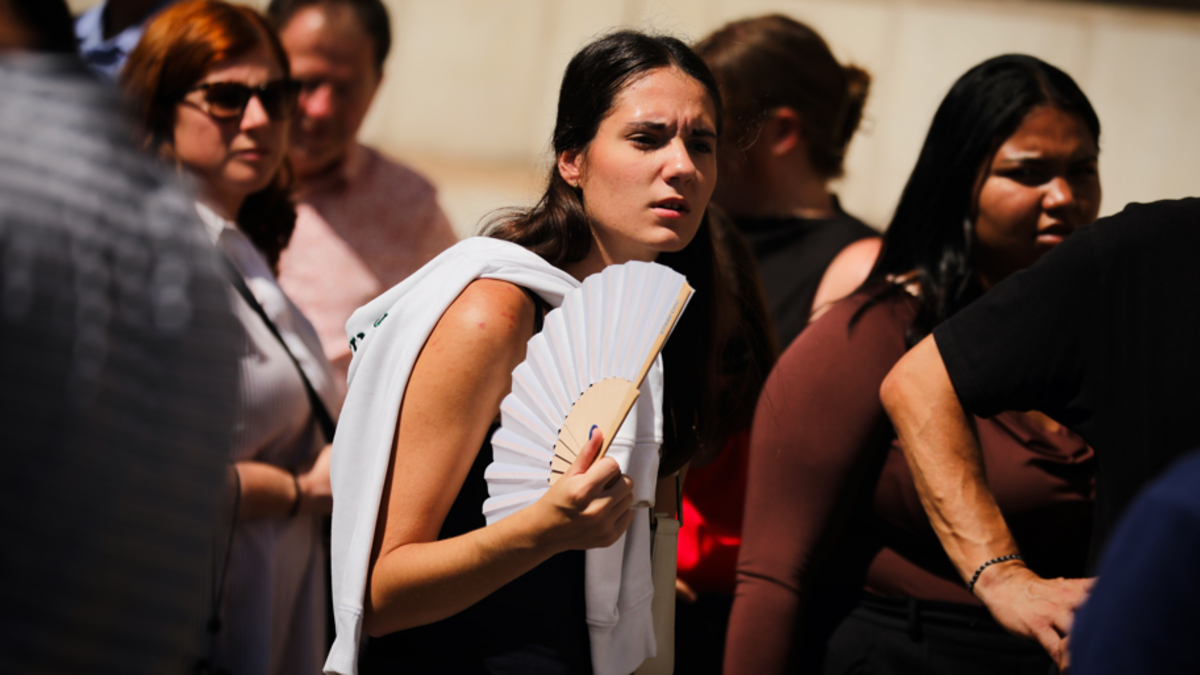
- UKHSA issued its second-ever red heat health alert for six regions of England while the Met Office issued a rare red weather warning for Wednesday and Thursday, with temperatures predicted to pass 40°C and public guidance to close curtains and windows.
- Ed Hawkins, professor of climate science at the University of Reading, presented new research showing a comparable event to 1976 would be 3°C hotter today because of greenhouse gas emissions from burning fossil fuels — roughly matching the current forecast.
- Met Office modelling projects that by the 2050s a 1976-style heatwave could last 14 consecutive days with temperatures above 40°C for nine of them, peaking at 45°C in England, 41°C in Wales, 38°C in Scotland and 30°C in Northern Ireland — described as plausible only under high emissions.
- Newcastle University professor Hayley Fowler's modelling found a repeat of the 1976 heatwave would today be 20% drier with a 10% greater water deficit, and warned England could face a public water supply shortfall of about 5bn litres per day by 2055 without investment in reservoirs and leak reduction.
- Laura Tobin, the broadcast meteorologist, recalled reporting on the first-ever UK red heat health alert in 2022 when temperatures hit 40°C — nearly 3,000 people died in the UK and 61,000 across Europe, a toll she warned would repeat in the current heatwave.
- The 1976 heatwave — 15 consecutive days above 32°C, 250 heat-related deaths per day, food prices up 12% and an extra million tonnes of grain imported — is now only the sixth-warmest summer on record, with summer 2025 topping the rankings.
Why it matters: The Met Office's 2050s projection of 45°C peaks and 14-day heatwaves gives UK policymakers a concrete adaptation benchmark, and Fowler's modelling of a 5bn-litre daily water shortfall by 2055 puts a number on the cost of inaction. The simultaneous red alert and 1976 anniversary make the shifted climate baseline viscerally real rather than theoretical.
Ask SkimNews