Israel Controls 60% of Gaza as Ceasefires Lose Meaning — SkimNews
Get the Geopolitics newsletter
Daily geopolitics — wars, elections, sanctions, the diplomatic moves that move markets. Free.
- Israel now controls roughly 60% of Gaza — up from around half when the October ceasefire was signed — and Prime Minister Netanyahu said the military plans to take 70%, a figure Secretary of State Rubio told lawmakers does not reflect Washington's plan for ending the conflict.
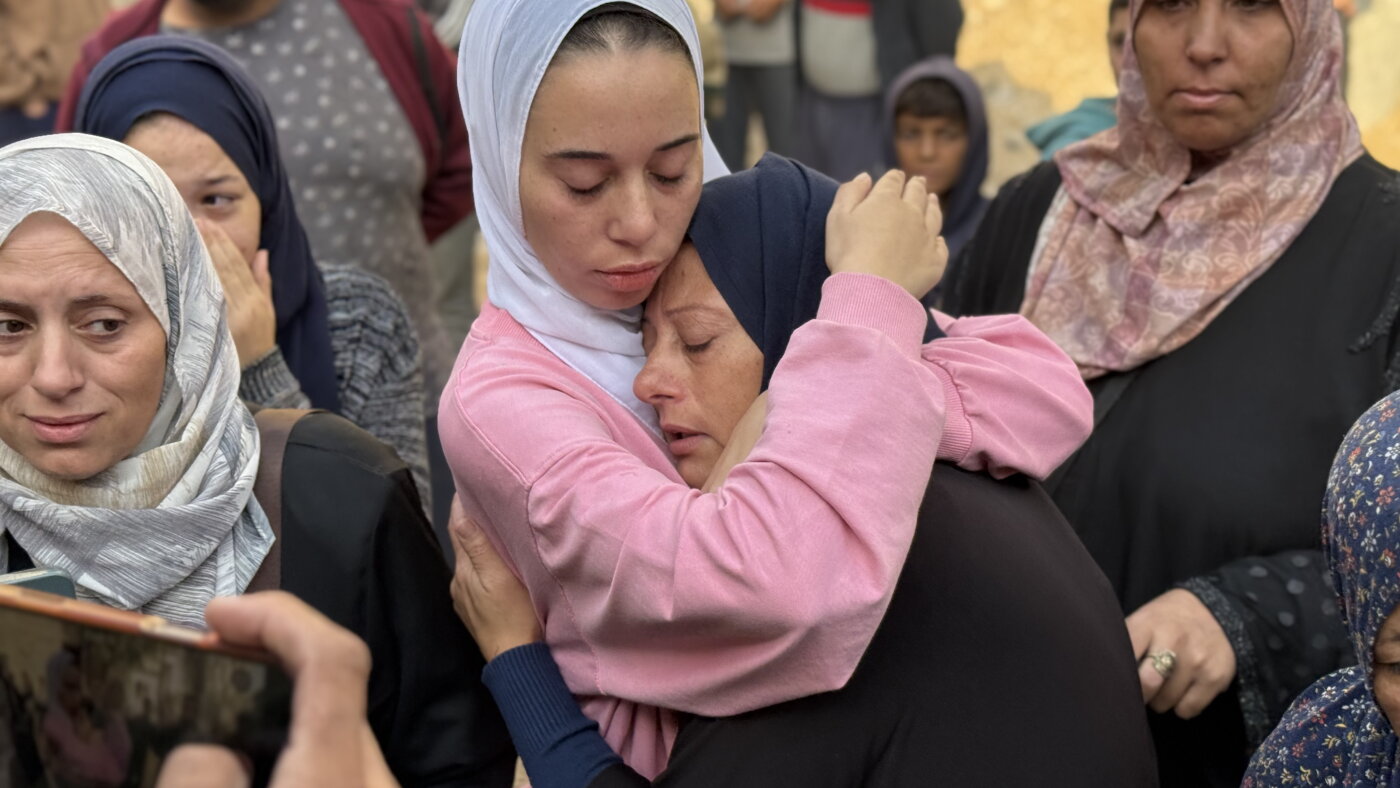
- Israeli strikes have killed at least 932 Palestinians, including women and children, since the October ceasefire took effect, according to local health officials, while Hamas has refused to disarm and an international stabilization force has yet to materialize.
- Israeli troops raised their flag over the Beaufort Crusader castle in southern Lebanon over the weekend, marking the deepest incursion into Lebanese territory since the end of the 1982-2000 occupation, even as Hezbollah responded with deeper rocket attacks into northern Israel.
- The U.S. and Iran have traded fire repeatedly in the Strait of Hormuz, with the U.S. bombing Iranian military sites Monday and Tuesday after Tehran shot down an American drone, and Iran claiming it targeted American soldiers in Kuwait and Bahrain with missiles.
- Iran has kept its chokehold on the Strait of Hormuz, perpetuating a global fuel crisis, while the U.S. imposed a naval blockade on Iranian ports; the two sides appeared close to a deal last week but failed to reach one.
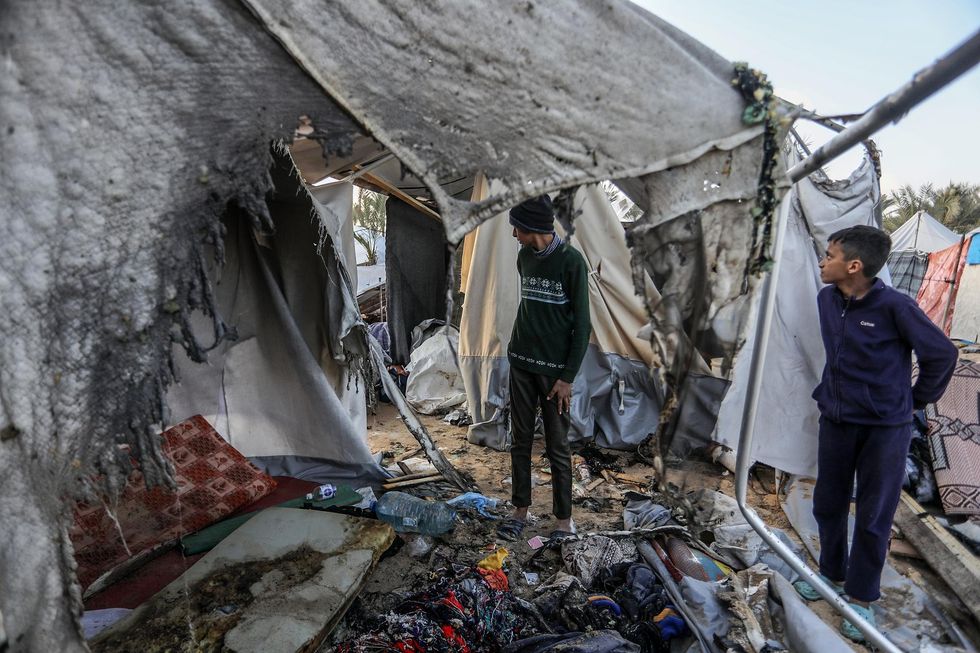
Why it matters: The gap between announced ceasefires and on-the-ground escalation is now structural: Israel has expanded territorial control in Gaza from roughly 50% to 60% and advanced to its deepest point in Lebanon in 26 years, while the U.S. and Iran are exchanging strikes inside an active 'ceasefire.' For hundreds of thousands of Palestinians still in squalid tent camps, no reconstruction has begun, and the U.S.-Iran stalemate over enriched uranium and the Strait of Hormuz blockade keeps global fuel prices exposed.
Ask SkimNews