Ukraine says Russia fired North Korean missiles in deadly attack

Get the Geopolitics newsletter
Daily geopolitics — wars, elections, sanctions, the diplomatic moves that move markets. Free.
- Russia's overnight attacks on August 11 killed at least 10 people and wounded dozens across Ukraine, with Kyiv accusing Moscow of launching North Korean ballistic missiles alongside Zircons and guided aerial bombs in the barrage.
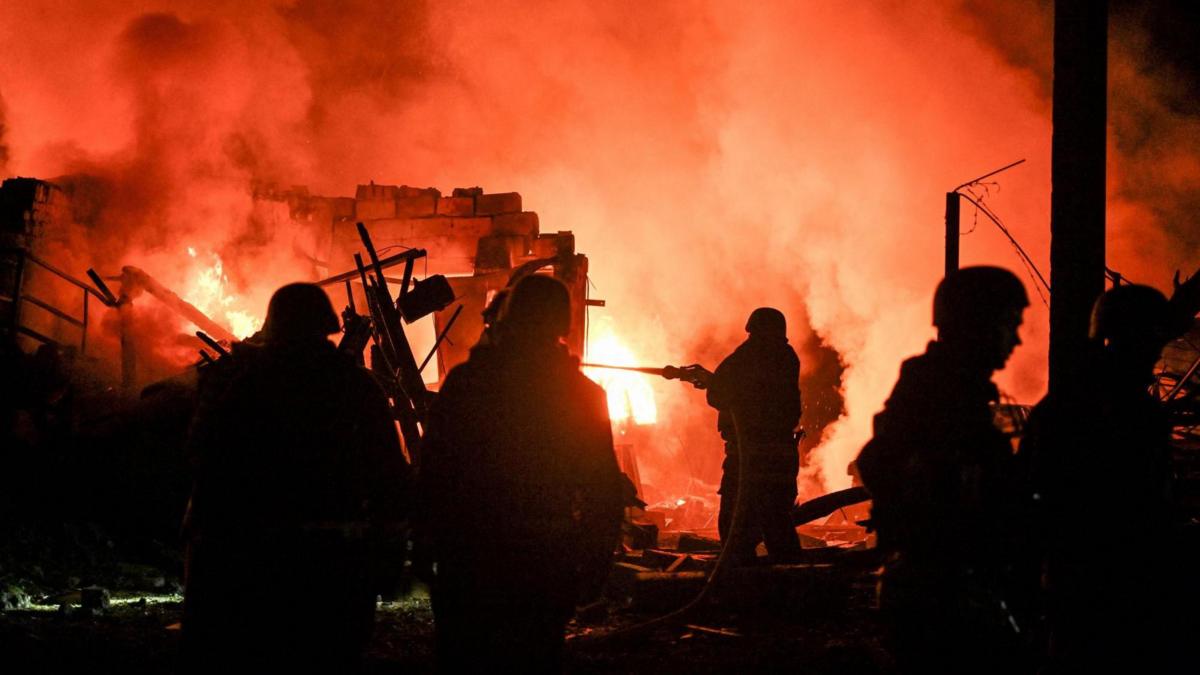
- Zaporizhzhia bore the brunt of the strikes — seven killed and 24 wounded, all employees of the Zaporizhstal steel plant caught on their way to shelter immediately after the air alert was announced.
- Volodymyr Zelensky warned on August 10 that Russia had received 'additional ballistic missiles from North Korea' and alleged that 30,000–50,000 North Korean troops could be deployed on Russian territory, though Kyiv offered no evidence or timeframe.
- Ukraine has faced an acute Patriot interceptor shortage since the U.S.–Israeli war against Iran began in February, and only the U.S.-made Patriot system can intercept the fast, hard-to-shoot-down ballistic missiles now powering Russia's escalated strikes.
- Strikes on Kyiv hit an infectious diseases hospital and a children's hospital — children and staff were unharmed because they were in a shelter at the time — while frontline cities Kherson and Kharkiv suffered power outages.
- South Korea's foreign ministry called North Korea–Russia military cooperation a violation of UN Security Council resolutions that 'directly affects our security,' and a Korea Institute for National Unification researcher said additional North Korean deployments are 'highly plausible' given Russia's manpower demands.
- The United Nations says Ukraine's civilian death toll is now at its highest since the war's first months in 2022, as Ukraine has simultaneously escalated its own long-range drone strikes against Russian oil infrastructure and e-commerce warehouses.
Why it matters: Ukraine's air-defense capacity is being squeezed from two directions at once: Russian ballistic strikes have intensified, while Patriot interceptor supplies have been constrained since the U.S.–Israeli war against Iran began in February. Seven steelworkers killed at a single Zaporizhzhia plant underscore the UN finding that civilian deaths are now at their highest since 2022, and South Korea's public framing of the North Korea–Russia pact as a UNSC violation raises the diplomatic cost for Moscow and Pyongyang going forward.
Ask SkimNews