Why is Ukraine attacking Russian refineries amid a global oil crisis?
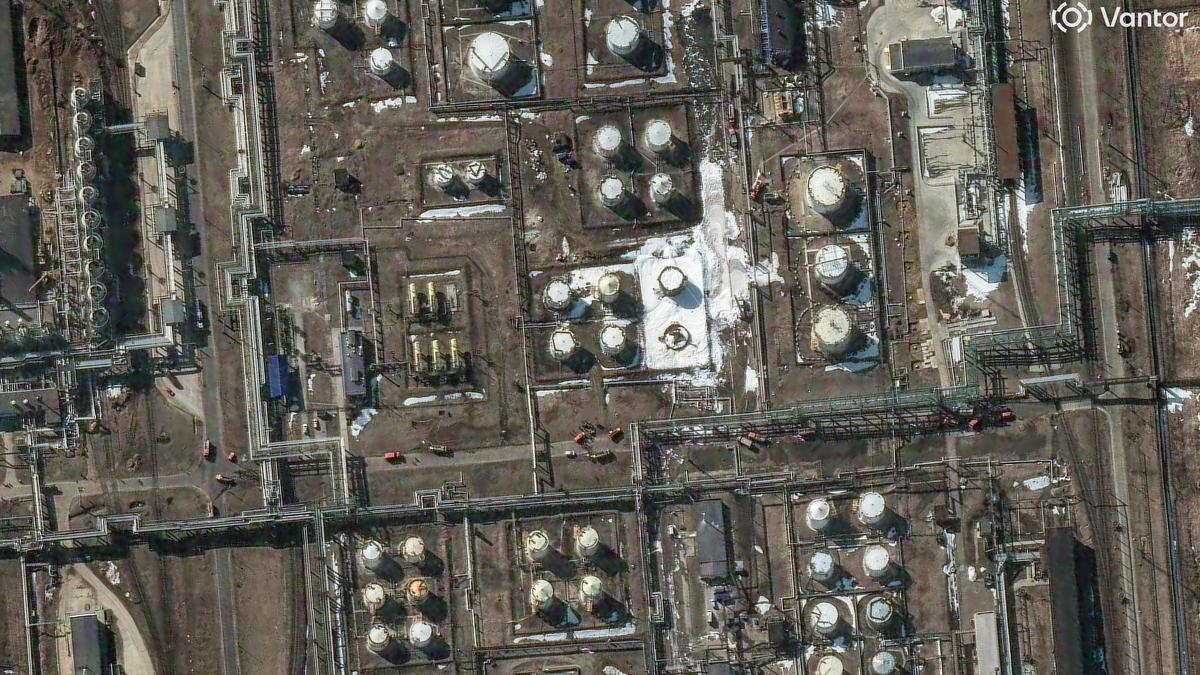
Why it matters: Ukraine's strikes cost Russia over $500 million in damage to oil storage and reduced export revenues for companies by $745 million.
- Ukraine's Defence Ministry announced 'Hellish strikes on Russia,' hitting five strategic plants and ten oil refining facilities in March as a 'systematic effort to dismantle the enemy’s war machine.'
- Kyiv stepped up attacks on Russian refineries, hoping to limit the windfall Moscow is now reaping from high crude oil prices after the U.S. temporarily waived sanctions on Russian oil.
- The New York Times reported that significant strikes hit Russia’s Baltic ports of Ust-Luga and Primorsk, handling roughly 40% of the country’s seaborne crude exports, causing damage and a plummet in tanker loadings.
- The NYT report stated that the reality of financial impact is 'more complicated' than Ukraine suggests, as Russia taxes oil extraction, not sales, meaning strikes hurt companies but could leave government revenue 'nearly intact' and potentially increase it due to higher global prices.
- Ukraine's 'War plan: our steps to force Russia into peace' from February 24, 2026, identifies oil sales via the 'shadow fleet' as Russia's war funding source, advocating for blocking this channel through sanctions and joint action with partners.
Ukraine has intensified attacks on Russian oil refineries and ports, aiming to cripple Moscow's war machine by cutting off its primary funding source, despite a global oil crisis and the U.S. waiving sanctions on Russian oil. While Ukraine asserts these strikes deprive Russia of billions, a New York Times report suggests the impact on government revenue might be less direct, as Russia taxes oil extraction rather than sales, potentially benefiting from higher global prices caused by the attacks.