Unpacking Trump’s Use of Emergency Powers to Prop Up Coal
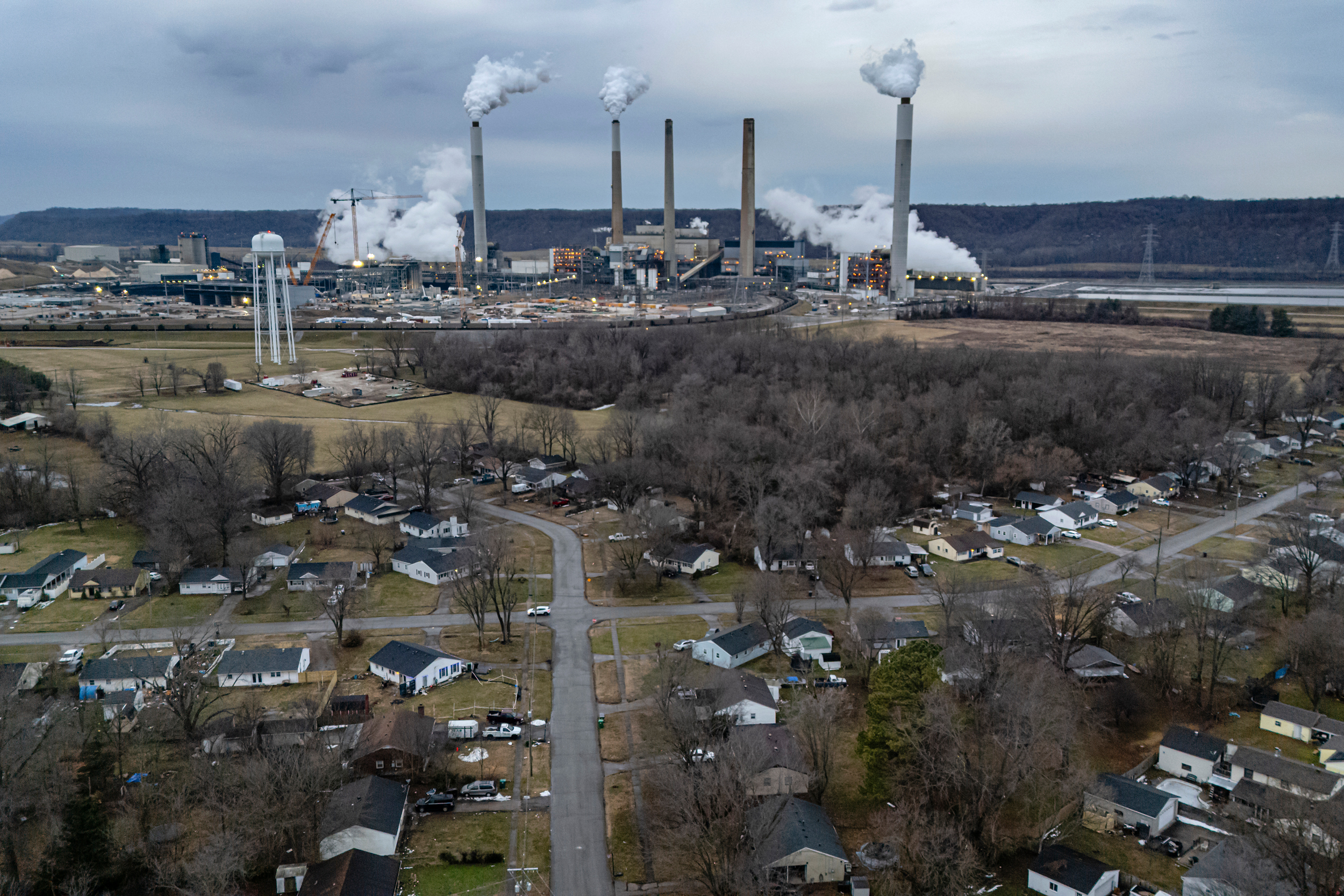
Why it matters: Trump's emergency orders could force utilities to operate expensive, polluting coal plants, increasing consumer bills and hindering climate goals.
- President Trump is using emergency powers to force utilities to keep old coal plants operating, a departure from previous administrations that used the power sparingly and typically at the request of utilities.
- Legal scholars and analysts, including Alexandra Klass and Dave Owen, argue that Trump's use of Section 202(c) of the Federal Power Act is a misuse of a law designed for wartime, undermining utility planning and regulation.
- Environmental advocates and state officials have challenged these orders in the U.S. Court of Appeals for the District of Columbia Circuit, highlighting concerns about consumer bills and climate impact.
- The Trump administration is also actively slowing the deployment of clean energy alternatives, such as offshore wind and onshore wind permits, while propping up coal.
- Section 202(c) of the Federal Power Act, first used by President Franklin D. Roosevelt in 1941, was invoked only 23 times in the 1940s and rarely thereafter until recent administrations, but never to prevent plant closures against owners' wishes.
President Trump is controversially invoking emergency powers under Section 202(c) of the Federal Power Act to prevent coal-fired power plants from closing, a move legal scholars like Alexandra Klass deem "illegal" and a misuse of a wartime provision. This action, which overrides utility planning and isn't sought by plant owners, aims to revive the coal industry while simultaneously hindering clean energy deployment, sparking legal challenges from environmental advocates and state officials.