Concern for renewed war in Iran as US attacks military, civilian targets

Get the Geopolitics newsletter
Daily geopolitics — wars, elections, sanctions, the diplomatic moves that move markets. Free.
- US Central Command completed three waves of strikes against Iran, hitting more than 300 military targets including coastal surveillance, logistics, communications, missile, drone and naval assets — while declining to acknowledge strikes on civilian objectives.
- Iranian authorities reported attacks in at least 10 provinces, mainly in southern Iran near the Strait of Hormuz, hitting ports, fishing facilities, and the perimeter of Iran's only nuclear power plant in Bushehr without damaging it; strikes also destroyed Chabahar's maritime control tower.
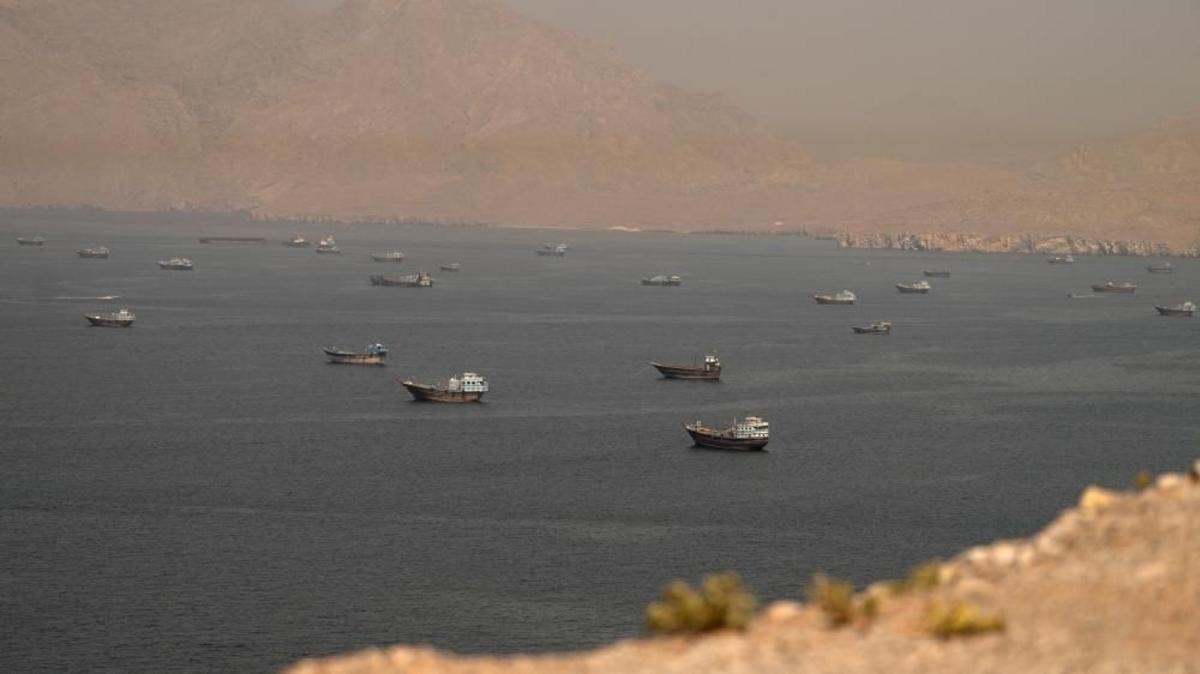
- The IRGC declared the Strait of Hormuz "closed again due to US military intervention" and said two vessels using the Western-backed southern route near Oman were struck, while Iran attacked US interests across Bahrain, Kuwait, Jordan, Qatar and Oman in retaliation.
- US strikes hit the Aq Tekeh Khan railway bridge in Golestan province — a key overland link connecting Iran to Turkmenistan, Kazakhstan, Russia, China and Eurasian rail networks that has served as a workaround to the US naval blockade of southern ports.
- Iran's electricity generation capacity dropped by approximately 4,200 megawatts from the attacks, worsening an energy crisis as summer temperatures reached 40°C, according to Tavanir head Mohammad Allahdad.
- New Supreme Leader Mojtaba Khamenei called for revenge after the funeral of his assassinated father Ali Khamenei in Mashhad, and Iranian state television celebrated US Senator Lindsey Graham's death as the "dispatching to hell" of a "pro-war hawkish politician."
- Israeli Defence Minister Israel Katz told Israeli media that "southern Lebanon would become Gaza," saying the Israeli army would "apply the Rafah model" there — deepening Israel's push into southern Lebanon that has undermined the Iran-US June 17 MoU.
Why it matters: US strikes have expanded beyond Strait of Hormuz military targets into Iran's inland rail links with Russia and China, choking the overland workaround to the US naval blockade. Iran's retaliatory attacks across five Gulf states and the new Supreme Leader's call for revenge make the June 17 MoU — and any negotiated alternative to escalation — increasingly remote.