Crypto's resilience tested as oil rises after Iran strikes, Fed signals rates could still rise
Get the Finance newsletter
Daily finance — markets, central banks, M&A, the prints that move money. Free.
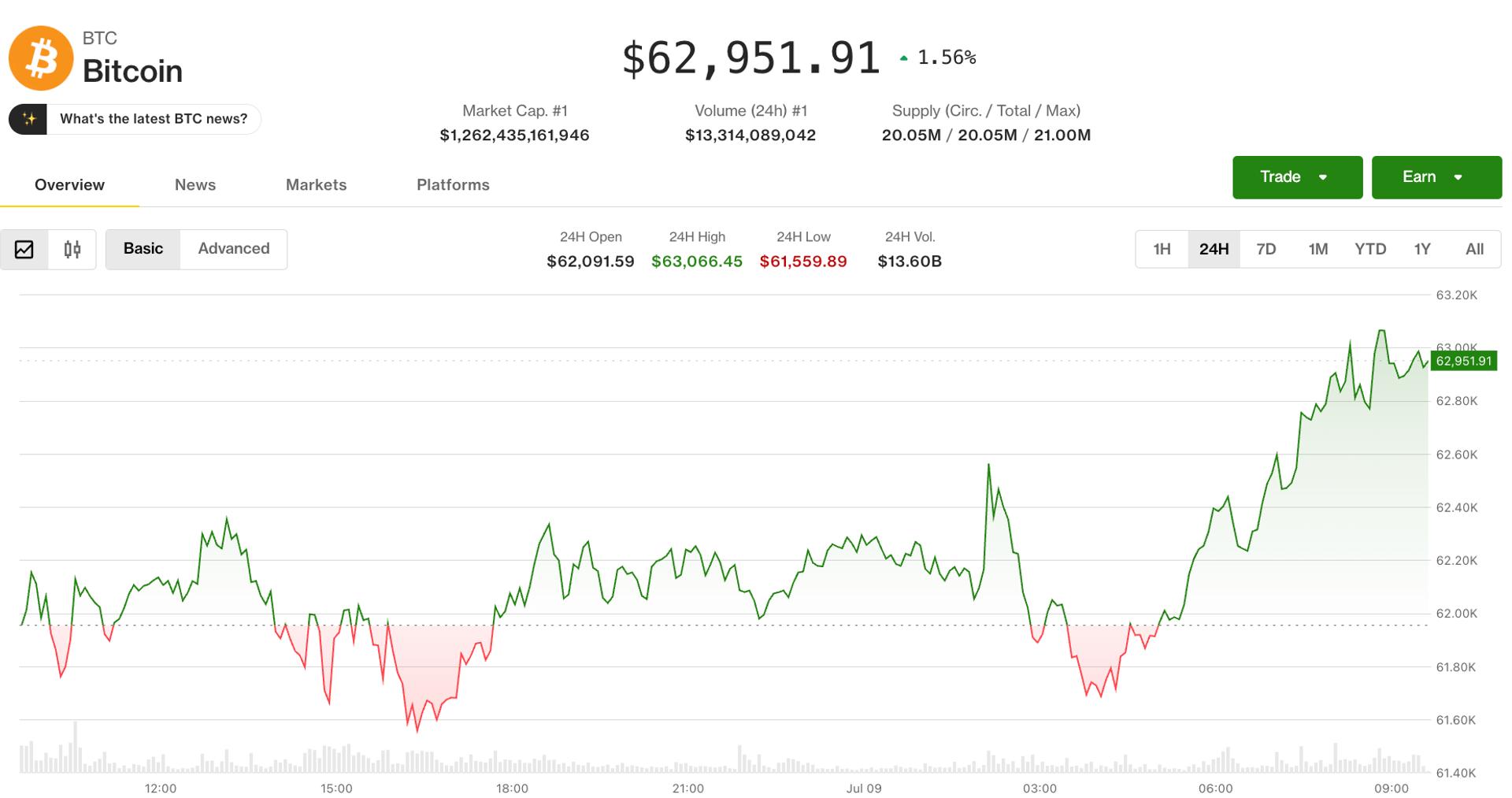
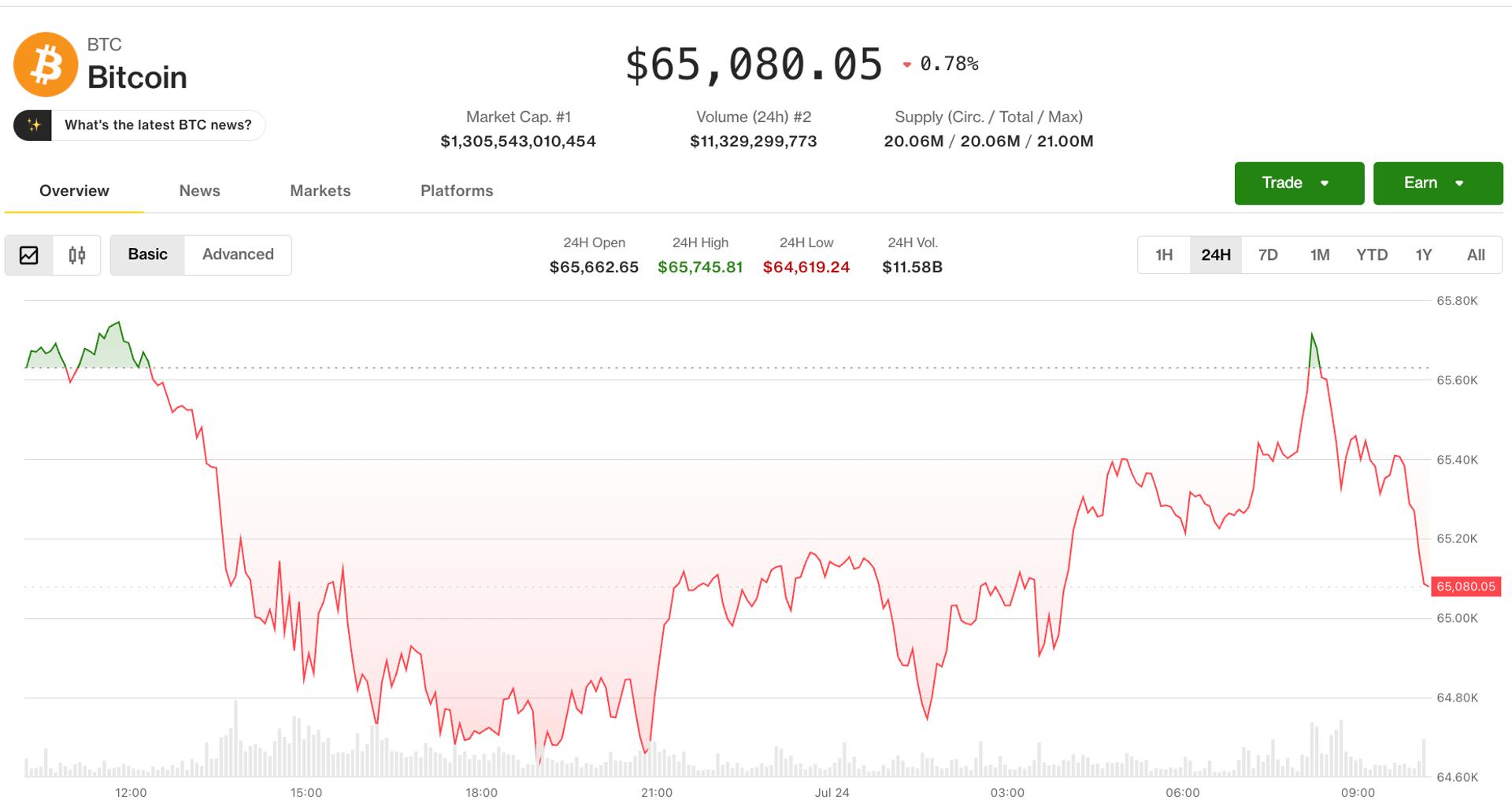
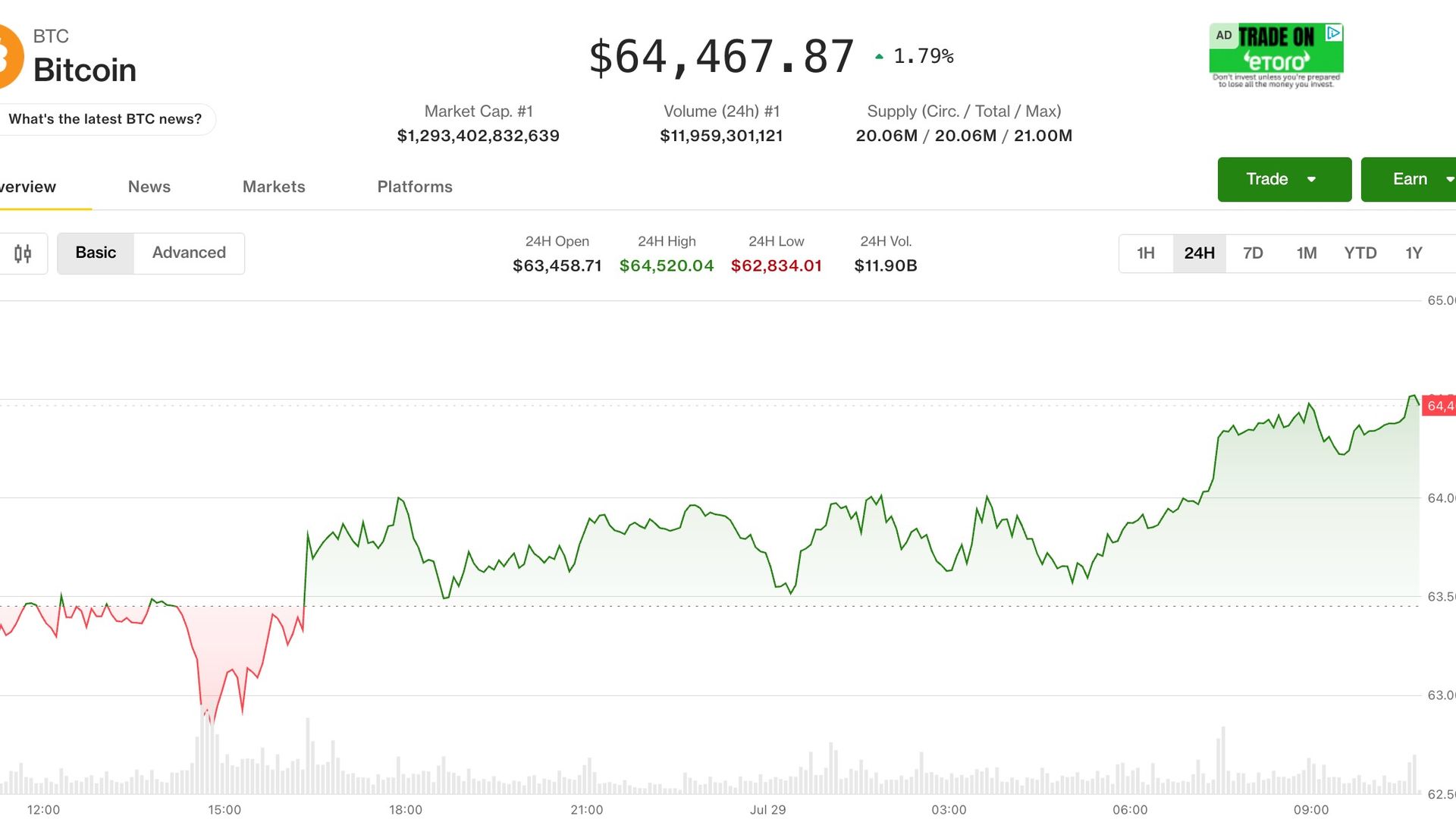
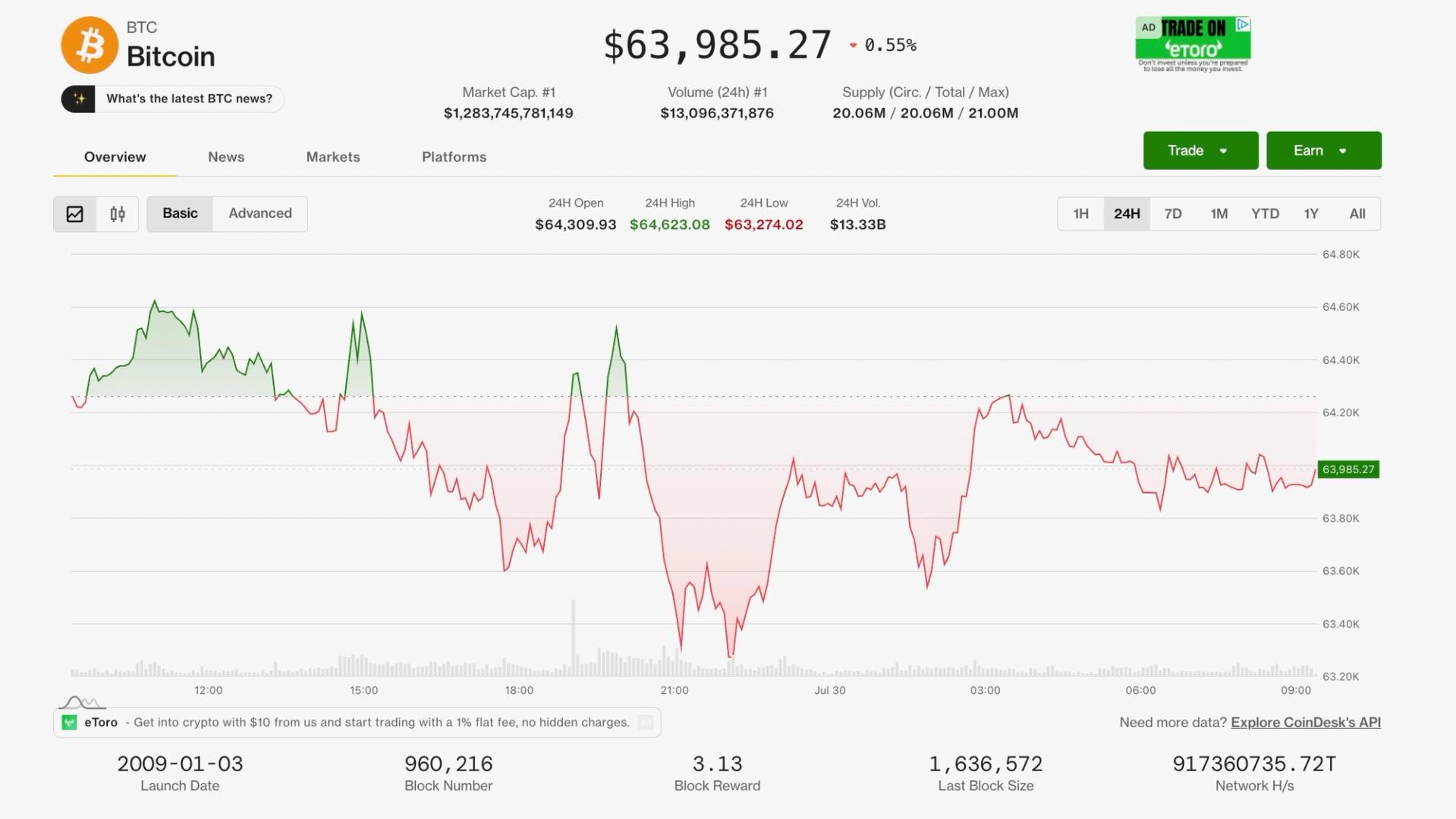
- Bitcoin traded little changed at $63,915 on Thursday despite a volatile Wednesday session that included an 8% overnight oil surge, a 2.2% Dow drop, and a Nasdaq three-month low.
- The Federal Reserve held rates steady Wednesday but three committee members voted to raise them, with Rabobank warning rate-hike speculation will resurge in coming weeks.
- Iran launched multiple ballistic missiles at U.S. troops — all intercepted — prompting Trump to vow to hit Iran 'hard,' with oil erasing Monday's declines on the news.
- Crypto derivatives saw roughly $286 million in positions liquidated over 24 hours, split between $186 million in longs and $100 million in shorts, signaling heavy two-way churn that settled near where it started.
- Bitcoin's BVIV implied volatility index fell back below 38%, nearing historical floor levels that mean-revert higher, while BTC call options at $70,000 and $75,000 strikes led Deribit's 24-hour volume.
- DeFi tokens outperformed on Thursday, with Injective rising 6.95%, Uniswap's UNI adding 4.46%, and Zcash extending its recent run to $474, while Jupiter saw daily volume dwindle to $23 million from regular peaks above $50 million.
Why it matters: Bitcoin's flat price near $64K masks meaningful fragility: leverage is being unwound, participation in the bounce is limited, and implied volatility has compressed to a historical floor that typically snaps back higher. With Fed rate-hike risk resurging and Iran escalation unresolved, the calm in spot BTC could be setting up the next directional move — and the options market is positioning for upside via $70K–$75K calls.