Modi, Takaichi expand India-Japan defense and security ties — SkimNews
Get the Geopolitics newsletter
Daily geopolitics — wars, elections, sanctions, the diplomatic moves that move markets. Free.
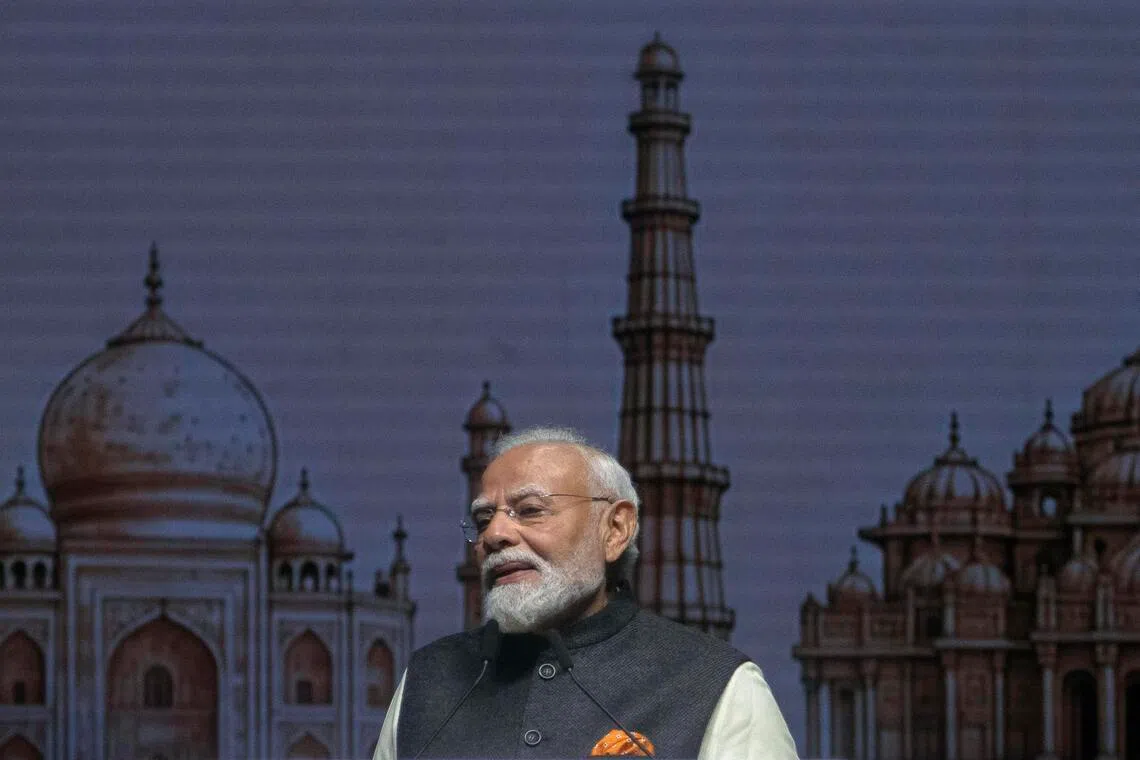
- Narendra Modi said India and Japan will collaborate on naval radio antenna systems and adopted a joint roadmap on economic security, framing economic security as 'a shared security interest.'
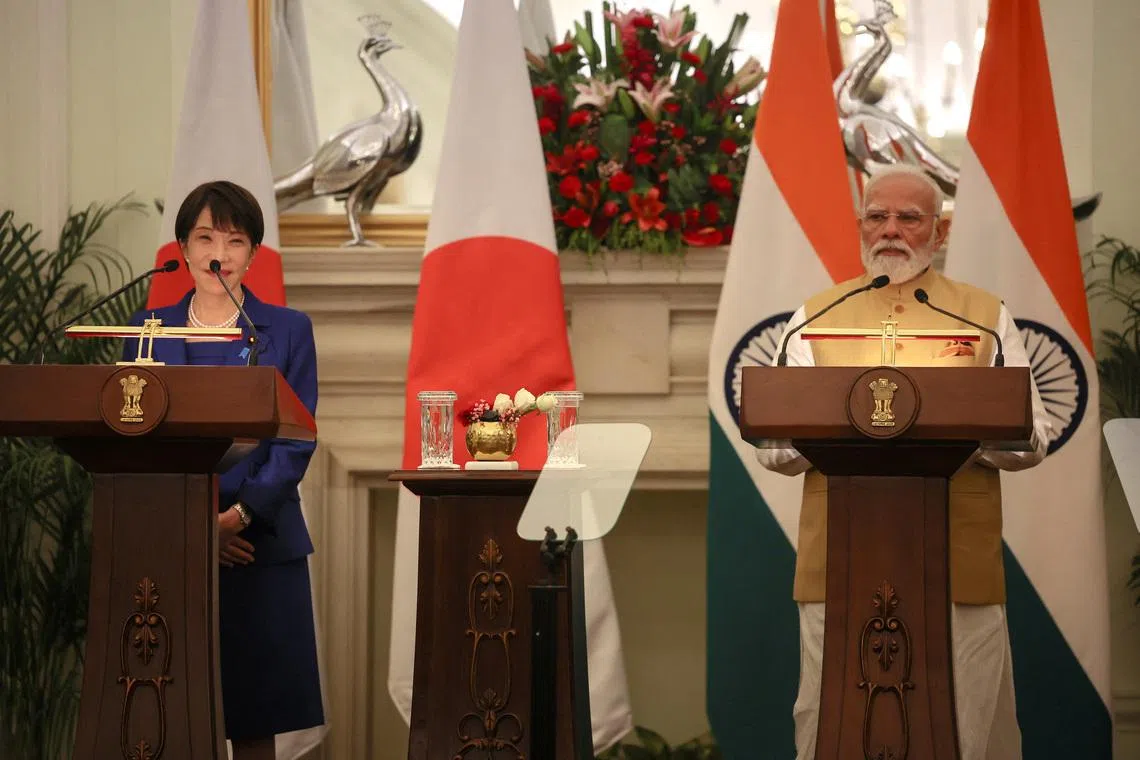
- Modi and Takaichi agreed to strengthen cooperation in AI, shipbuilding, biogas, semiconductors, and critical technologies following talks at the 16th annual India-Japan summit in New Delhi.
- Japan is among India's largest foreign investors, with about 1,400 Japanese companies operating in India — nearly half in manufacturing — and two-way trade reaching $27.5 billion in India's 2025-26 fiscal year.
- Japanese investment totaled $3.2 billion between April and December 2025, building on Tokyo's pledge to more than double its India investment to $61 billion over the next decade.
- Sanae Takaichi emphasized that 'expansion of maritime security cooperation is especially important for regional peace and stability,' reiterating Japan's commitment to a free and open Indo-Pacific.
- China's Foreign Ministry spokesperson Guo Jiakun pushed back, accusing some countries of promoting 'confrontation and division' and declaring that 'Asia-Pacific needs stability, not turmoil; focus on cooperation, not division.'
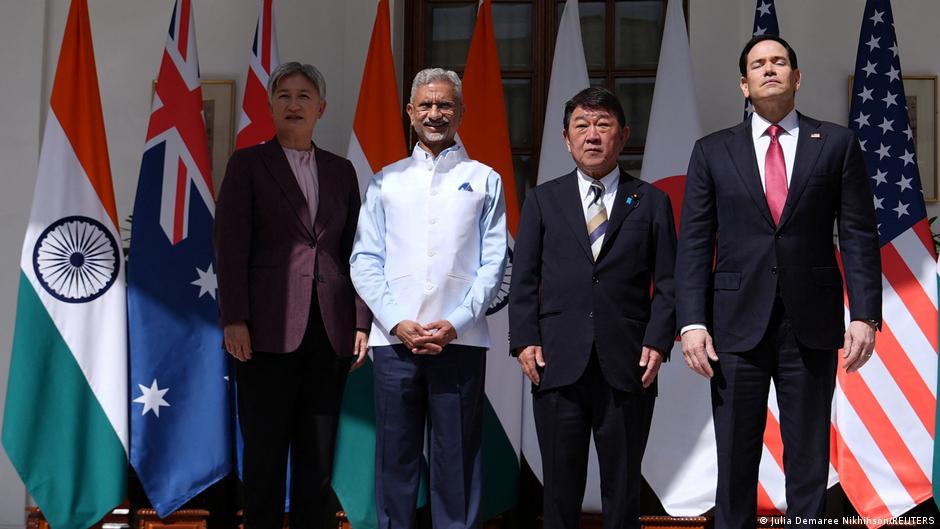
Why it matters: The summit deepens a $61-billion-decade investment pipeline between two Quad members explicitly positioning themselves against China's Indo-Pacific ambitions. China immediately countered with its own framing, meaning every agreement signed in New Delhi will be read as a security posture as much as an economic one — and the 1,400 Japanese firms already on the ground in India make this partnership operational, not symbolic.
Ask SkimNews