SPS Wins $113M Texas Energy Fund Grant for Grid Hardening — SkimNews
Get the Energy newsletter
Daily energy & climate — solar, EVs, oil, the policy fights and tech bets shaping the transition. Free.
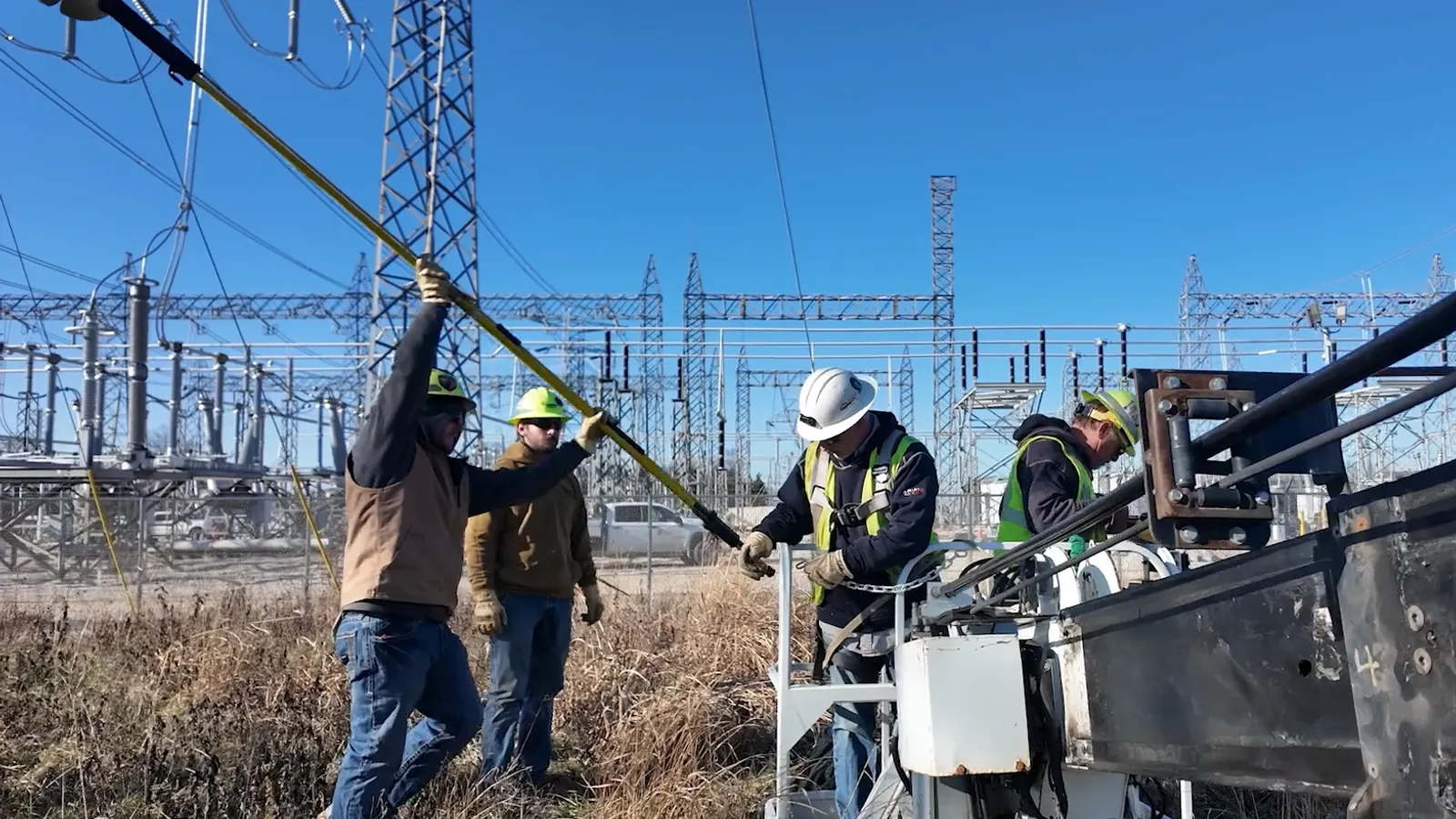
- Southwestern Public Service will receive $113 million from the Texas Energy Fund's non-ERCOT grant program to replace power poles, install grid monitoring equipment, and bolster resilience for 167,000 customers in its Texas Panhandle and South Plains service territory.
- SPS will deploy the funds for drone-based pole inspections covering more than 273,000 structures and pole-mounted sensors that monitor distribution-line conditions in real time to detect hazards and speed disturbance response.
- The Texas Energy Fund has allocated more than $4 billion since launching in 2024, with about $3.65 billion going to new gas capacity inside ERCOT and roughly $650 million directed to weatherization and grid hardening outside the ERCOT footprint.
- Public Utility Commission of Texas Chairman Thomas Gleeson framed the grants as creating "multiple layers of protection," citing substations, poles, and overhead wires as complementary components the program strengthens.
- The award comes weeks after PUCT announced $30 million to Rita Blanca Electric Cooperative for a new substation and nearly $9 million to Lamb County Electric Cooperative for transmission line replacement and increased transformer capacity.
- SPS interim president Brad Baldridge said the grant will help the utility "strengthen the grid, better prepare for severe weather and keep costs as low as possible" for its customers.
Why it matters: The $113 million puts drone inspections across 273,000+ structures and real-time distribution sensors into the hands of 167,000 customers who sit outside the main Texas grid — a population excluded from the fund's $3.65 billion gas-capacity track, making the $650 million non-ERCOT slice their primary resilience lever following Winter Storm Uri's 2021 blackouts.
Ask SkimNews