Zelensky's 'Freya' missile defense scheme could backfire. Here's why.

Get the Geopolitics newsletter
Daily geopolitics — wars, elections, sanctions, the diplomatic moves that move markets. Free.
- Zelensky pitched the Freya system at the NATO summit as the solution to Russia's ballistic missile threat — the only major Russian advantage left in the war — but analysts say it cannot be operational before 2028.
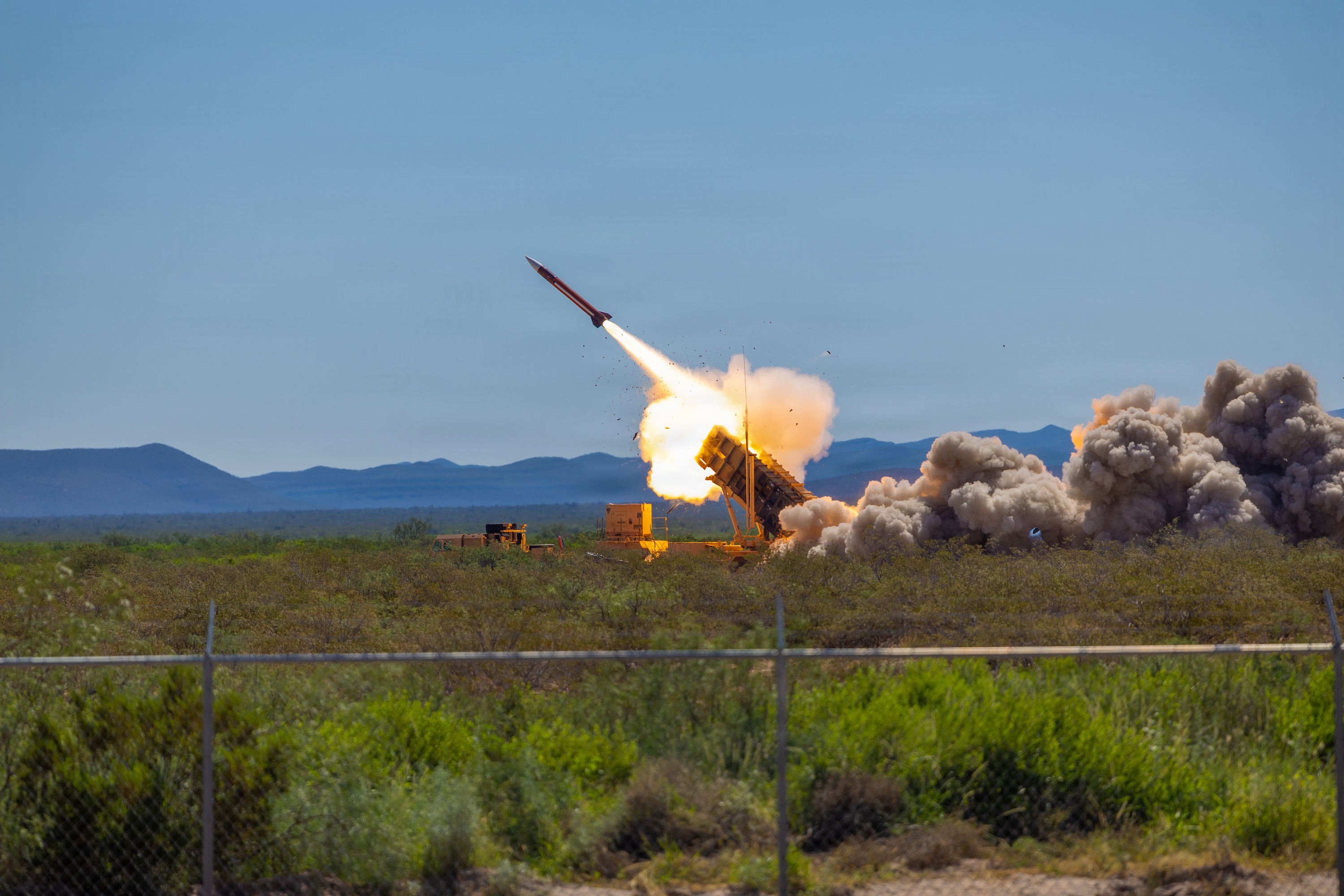
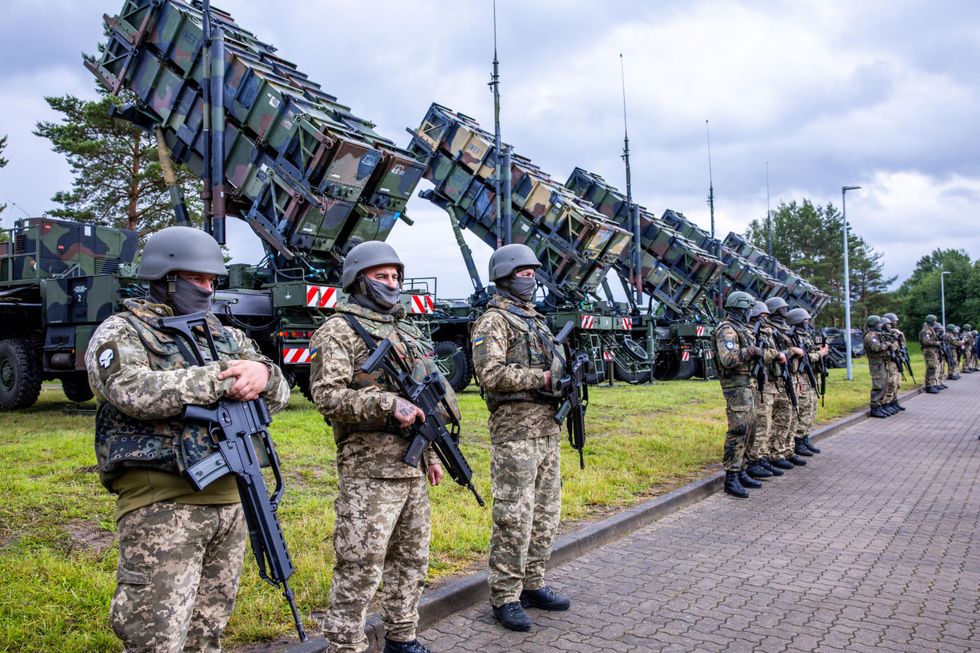
- Freya, manufactured by Fire Point, uses a modified Soviet-era 48N6/5V55 interceptor priced at roughly $700,000 per missile, compared with the $4 million PAC-3 Patriot interceptor whose stockpiles Washington diverted to the Iran war.
- Fire Point founder Denys Shtilerman designed Freya as an open-architecture platform using NATO Link 16, but the system still requires Swedish, French, and Italian long-range radars plus Norwegian command-and-control systems to function.
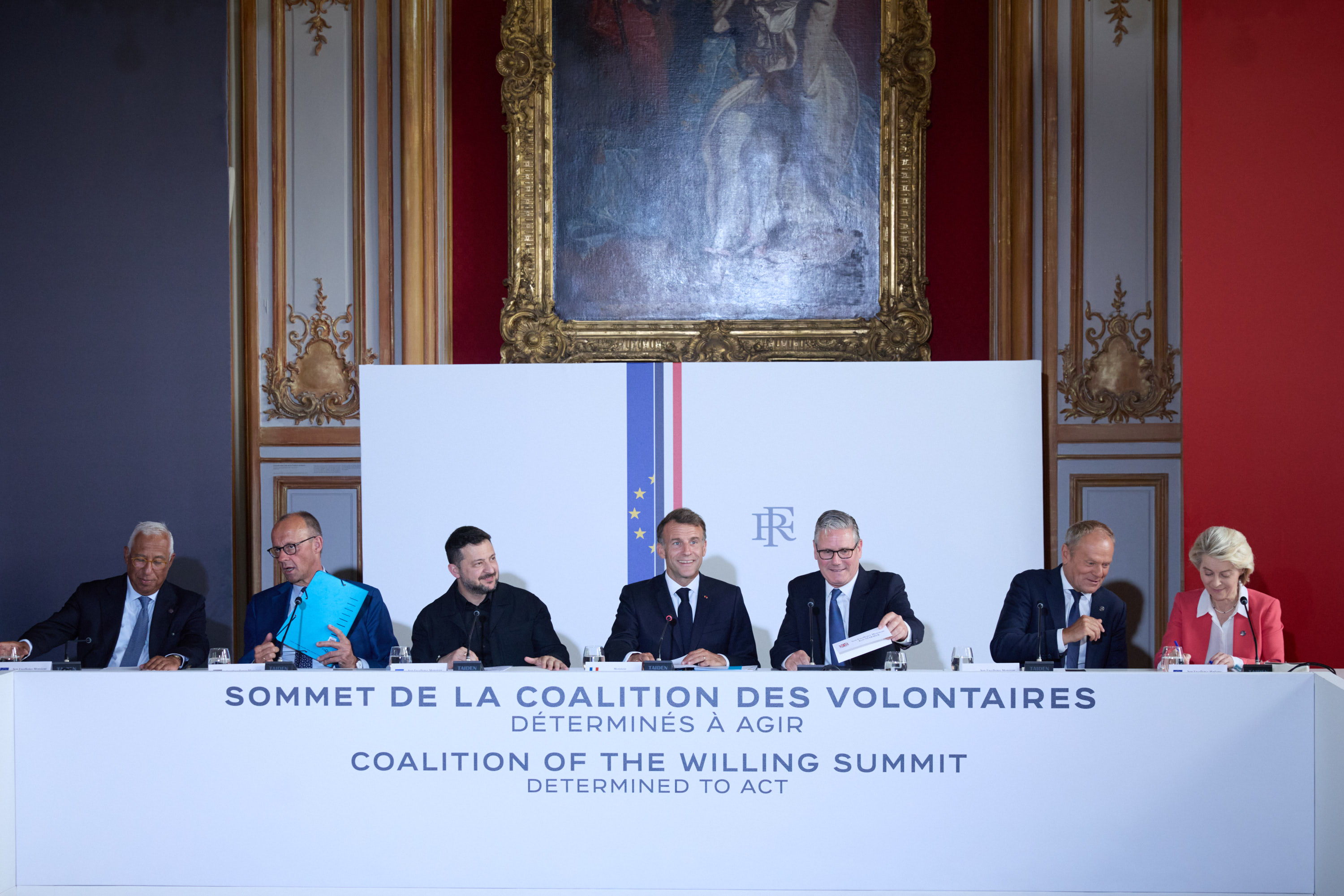
- Nine European countries agreed to invest in Freya at a Paris summit earlier this month, yet each — including Germany, which is still improving its own SAMP/T system — is hedging by maintaining parallel national programs.
- Russia has launched over 500 ballistic missiles at Ukraine this year, contributing to nearly 300 civilian deaths in June 2026, leaving Kyiv exposed during the multi-year gap before Freya is fielded.
- The FCAS program — a collapsed France-Germany sixth-generation fighter venture — is cited as the latest example of a European defense collaboration that fell apart over political and industrial disputes.
Why it matters: Ukraine faces at least two more winters under intensifying Russian ballistic missile barrages before the Freya is realistically deployable, and even then the system institutionalizes dependence on European funding, components, and political goodwill — a dependency that history (FCAS) suggests could fracture. Ukraine effectively trades one unreliable patron (Washington, now stretched by the Iran conflict) for another coalition of partners with their own competing air defense priorities.
Ask SkimNews