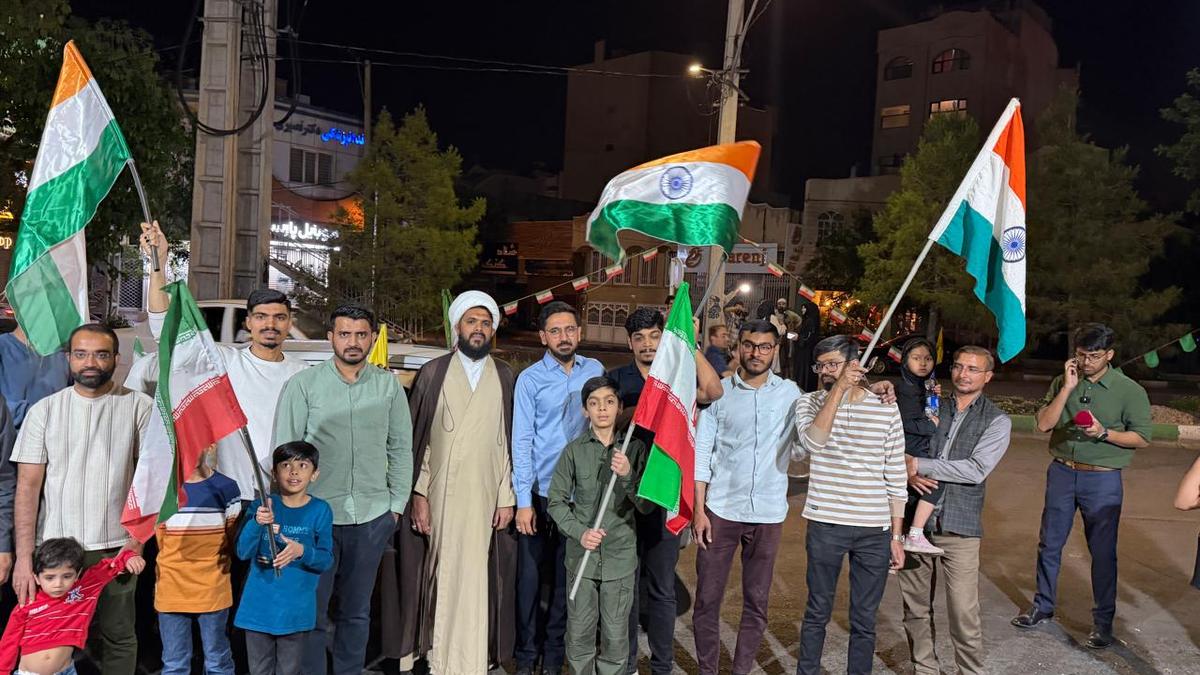
Indians serve pineapple sharbat to Qom protesters
Get the Geopolitics newsletter
Daily geopolitics — wars, elections, sanctions, the diplomatic moves that move markets. Free.
- Indian community in Qom numbers roughly 3,000‑3,500 residents, including students, researchers, and businessmen.
- Indian volunteers have set up nightly pineapple sharbat stalls along protest routes, funding the drinks themselves and serving thousands of Iranians after sunset.
- Haider Abbas, an Indian student from Ahmedabad, says the volunteers aim to let people know they are not alone amid grief and war.
- Abid Raza Naushad Rizvi, a research scholar, frames the conflict as a moral battle between truth and falsehood rather than a simple geopolitical war.
- Indian authorities issued travel advisories urging nationals to consider leaving Iran, but many volunteers chose to stay to support their community.
Why it matters: Iranians gain a tangible sign of international solidarity, while Indian nationals risk diplomatic friction by staying despite travel warnings; the grassroots effort humanizes the conflict and may soften anti‑Indian sentiment amid Iran’s heightened tensions.
Ask SkimNews