North Korea Rejects NPT, Stands Firm on Nuclear Arsenal
SkimNews Take
By codifying its nuclear arsenal as a constitutional right rather than a bargaining chip, Pyongyang has removed a key pressure point for negotiators — the implicit promise of reversal — signaling that the NPT framework now operates in an era where proliferation is increasingly formalized rather than deterred.
Get the Geopolitics newsletter
Daily geopolitics — wars, elections, sanctions, the diplomatic moves that move markets. Free.
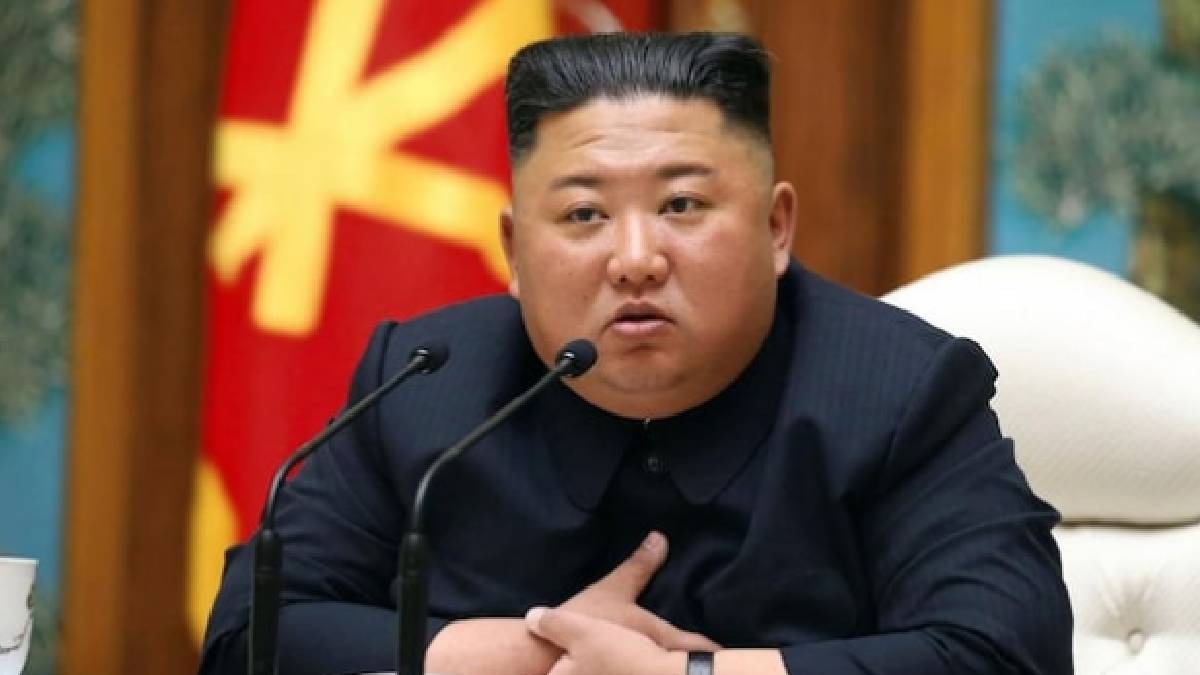
- North Korea's UN envoy Kim Song declared at the NPT Review Conference that the DPRK will not be bound by the Non‑Proliferation Treaty under any circumstances.
- North Korea withdrew from the NPT in 2003 after threatening to do so in 1993 and has since conducted six nuclear tests, prompting multiple UN resolutions.
- North Korea's constitution enshrines its nuclear‑armed status and its commitment to strengthen its capabilities, describing the path as irreversible.
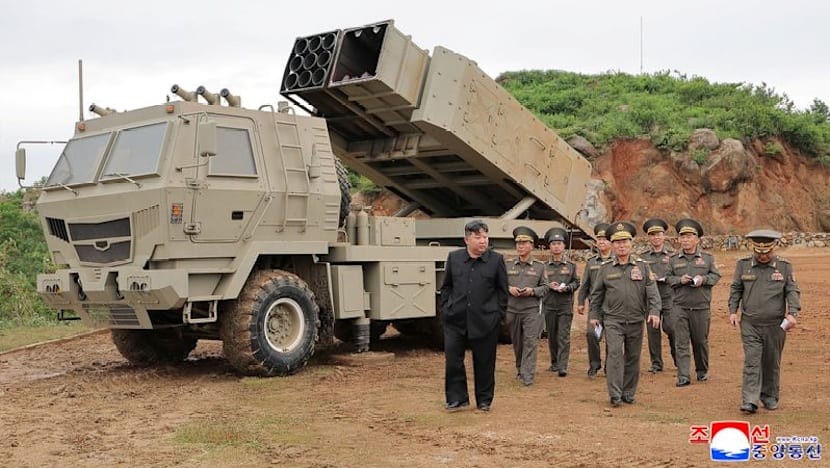
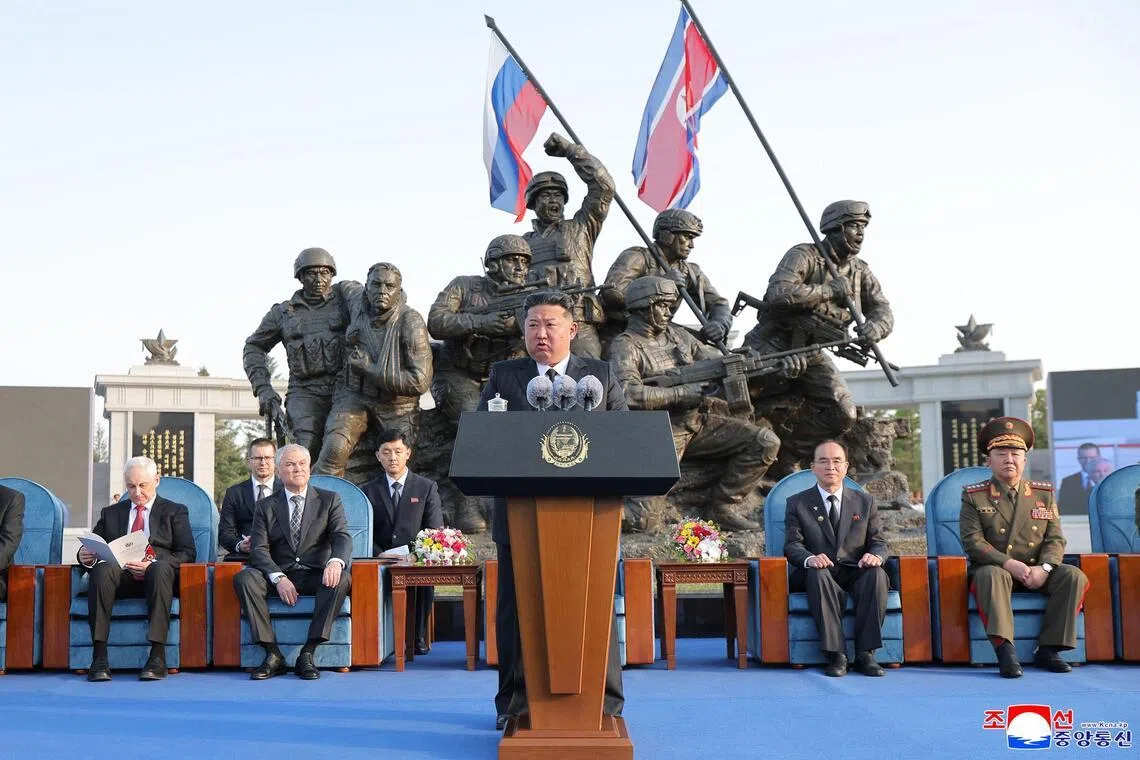
- North Korea has deployed ground troops and artillery to support Russia's invasion of Ukraine, receiving military technology assistance from Moscow in return.
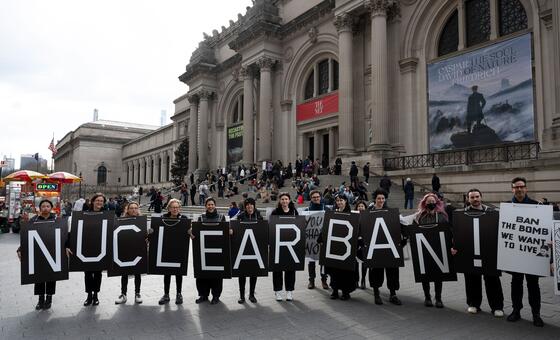
- The nine nuclear‑armed states collectively possess 12,241 nuclear warheads as of January 2025, with the United States and Russia holding nearly 90% of them (SIPRI).
Why it matters: The United Nations faces a stalemate as North Korea rejects NPT obligations, bolstering its nuclear deterrent and reinforcing its alliance with Russia, while non‑NPT states must allocate more diplomatic resources to counter the growing nuclear risk.
Ask SkimNews