Ball Chip VAR Eliminates Croatia, Saves Ronaldo — SkimNews
Get the Sports newsletter
Daily sports — scores, transfers, the storylines from the leagues you actually follow. Free.
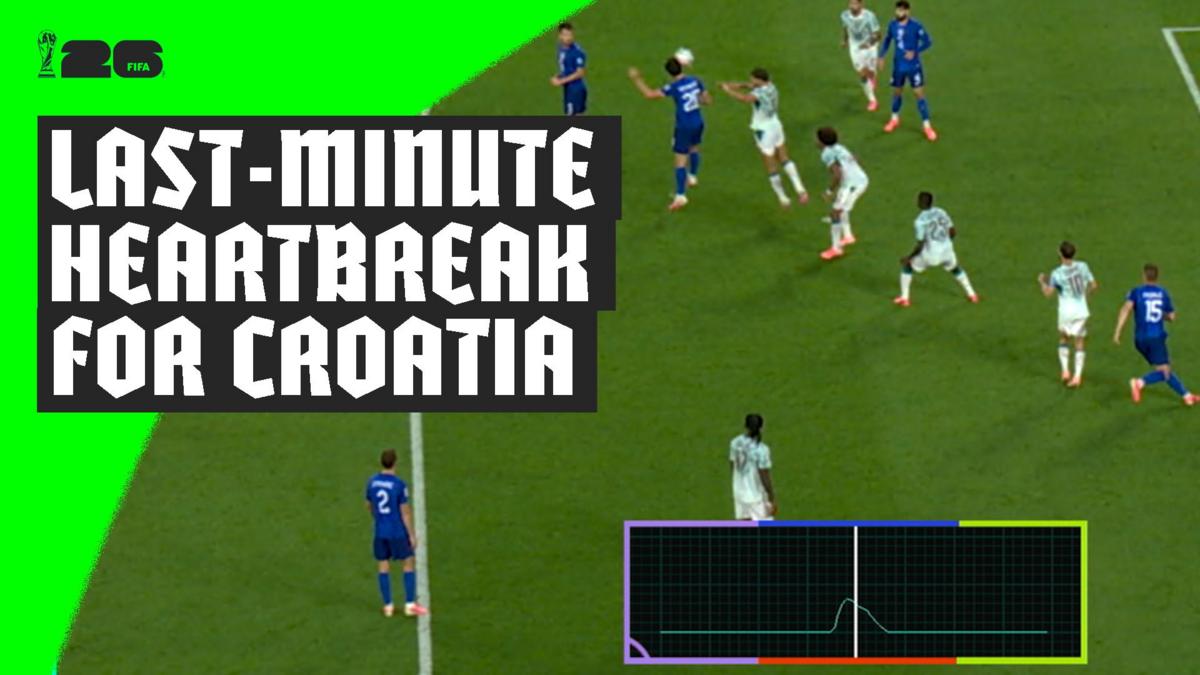
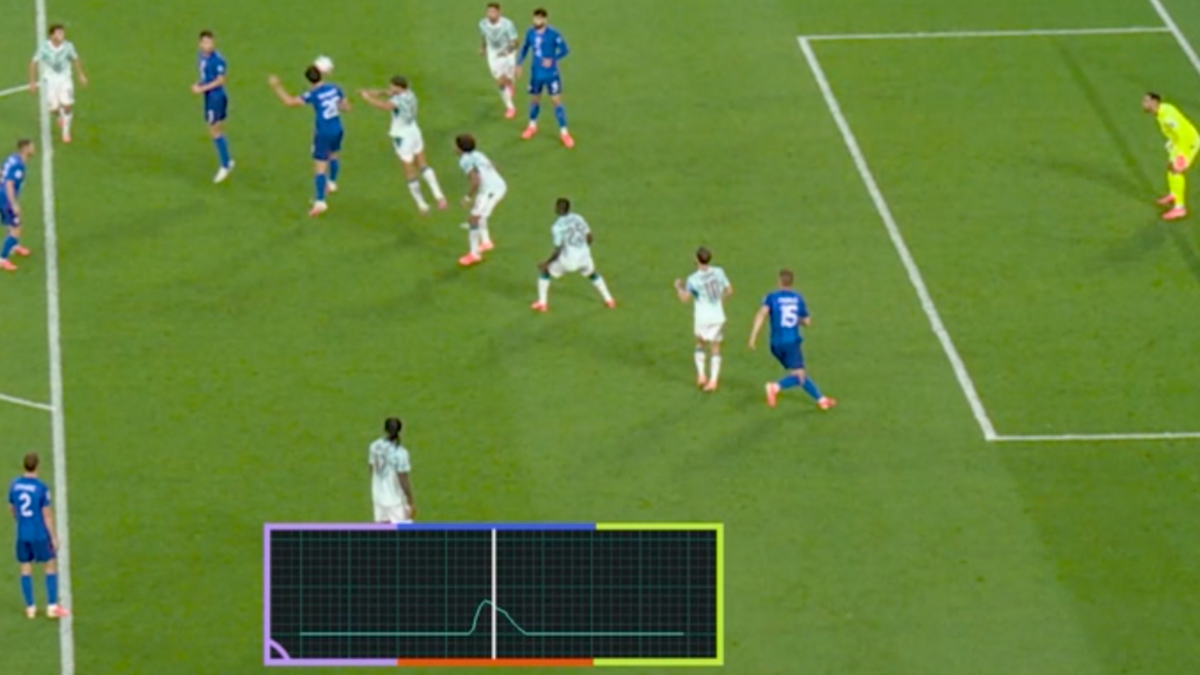
- VAR ruled out Josko Gvardiol's tap-in in the 13th minute of stoppage time after Snickometer-style data from the Adidas Trionda ball's microchip indicated Igor Matanovic had flicked the ball on, prompting furious Croatia fans to throw plastic bottles onto the pitch.
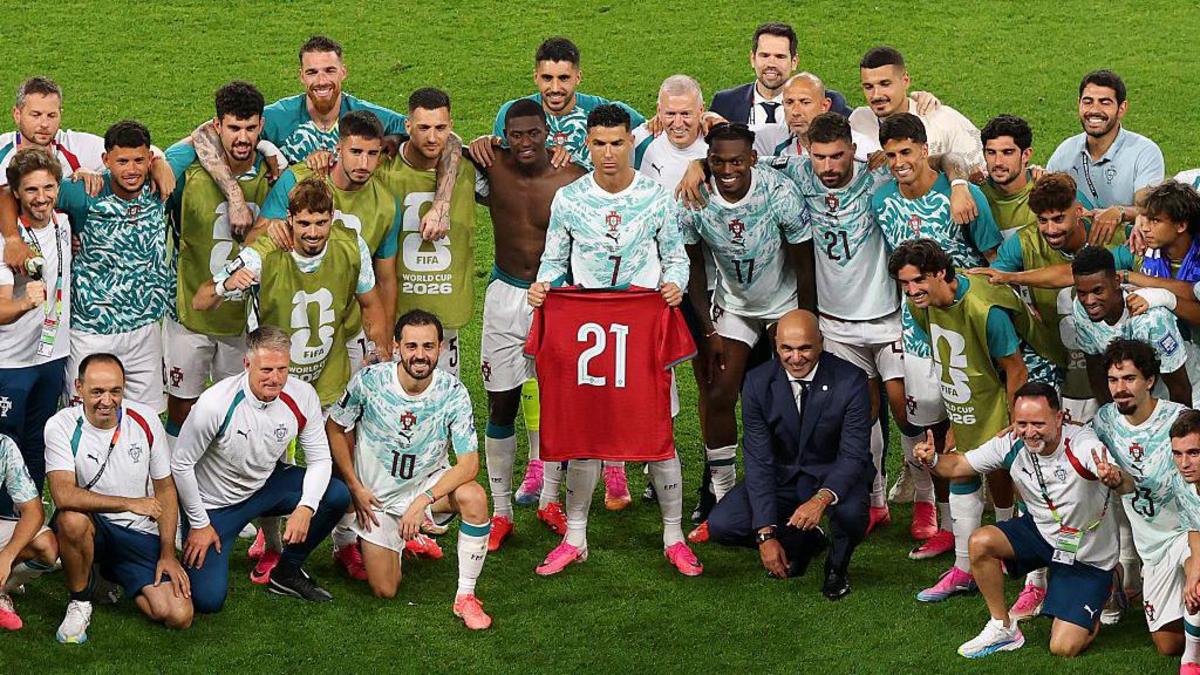
- Cristiano Ronaldo scored his first-ever World Cup knockout goal from the penalty spot — his sixth tournament — before being substituted in the 81st minute, just hours after his sister called the competition his "last dance."
- Portugal won 2-1 to advance, with Goncalo Ramos scoring in the 94th minute and an earlier Ronaldo equalizer also ruled out for offside.
- Luka Modric, 40, is likely playing his final World Cup match; he would be 44 when the 2030 tournament arrives, and was consoled after the final whistle by former Real Madrid teammate Ronaldo.
- Croatia manager Zlatko Dalic condemned the officiating, stating: "VAR kills emotions, it kills everything within you. We have gone too far with VAR."
- Portugal manager Roberto Martinez defended the decision, saying: "The balls now have a chip and the sensor shows the ball was touched."
Why it matters: A goal celebrated wildly in the 13th minute of stoppage time was snatched away by sensor data detecting a millimeter-level flick — an outcome that exposes how embedded ball technology is now making definitive offside calls that TV replays could not. For Ronaldo, the decision keeps alive a final shot at the trophy he has never won; for Modric, it closes a 20-year international career on a disputed note.
Ask SkimNews