Pentagon–Pakistan ties endure from Abbottabad to Trump
Get the Geopolitics newsletter
Daily geopolitics — wars, elections, sanctions, the diplomatic moves that move markets. Free.
- CENTCOM classifies Pakistan within its area of responsibility alongside Middle Eastern states, a placement the article argues institutionalizes the U.S.–Pakistan military relationship and reflects shared logistics routes, forward basing considerations, and overlapping Gulf security challenges.
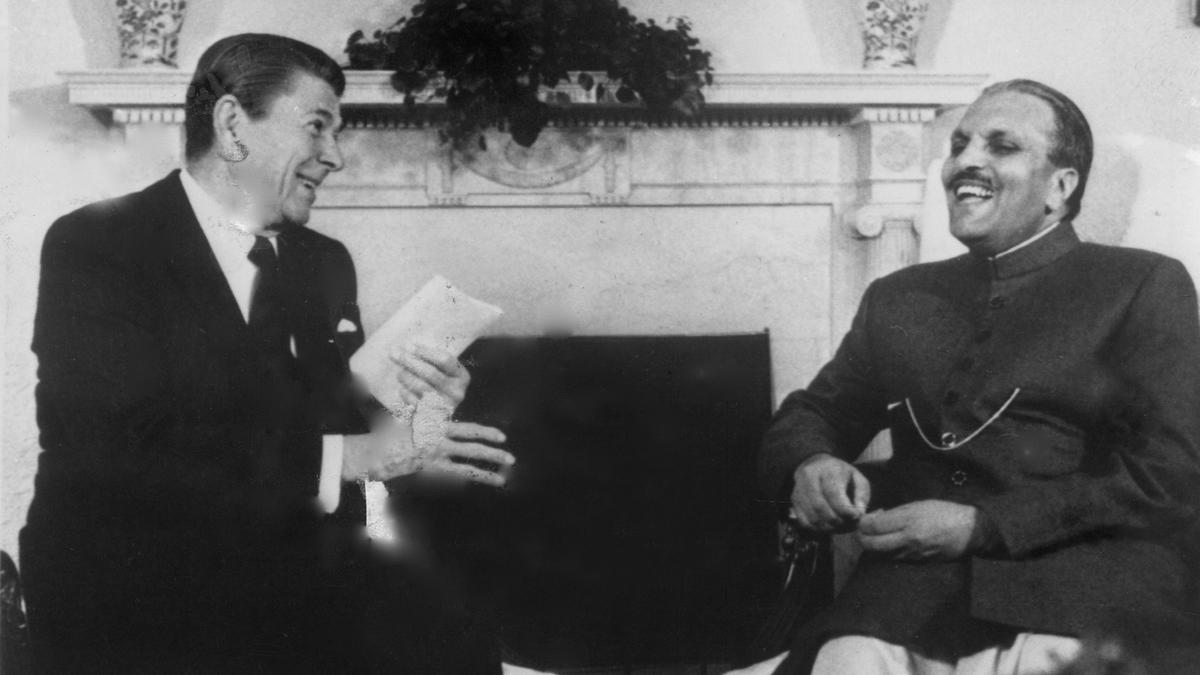
- Republican administrations have repeatedly deepened ties with Pakistan's military: Eisenhower's 1955 CENTO pact, Nixon's reliance on Pakistan as a backchannel for Kissinger's secret July 1971 Beijing trip, and Reagan's covert channeling of billions through the ISI to Afghan mujahideen under directors General Akhtar Abdur Rahman and Hamid Gul.
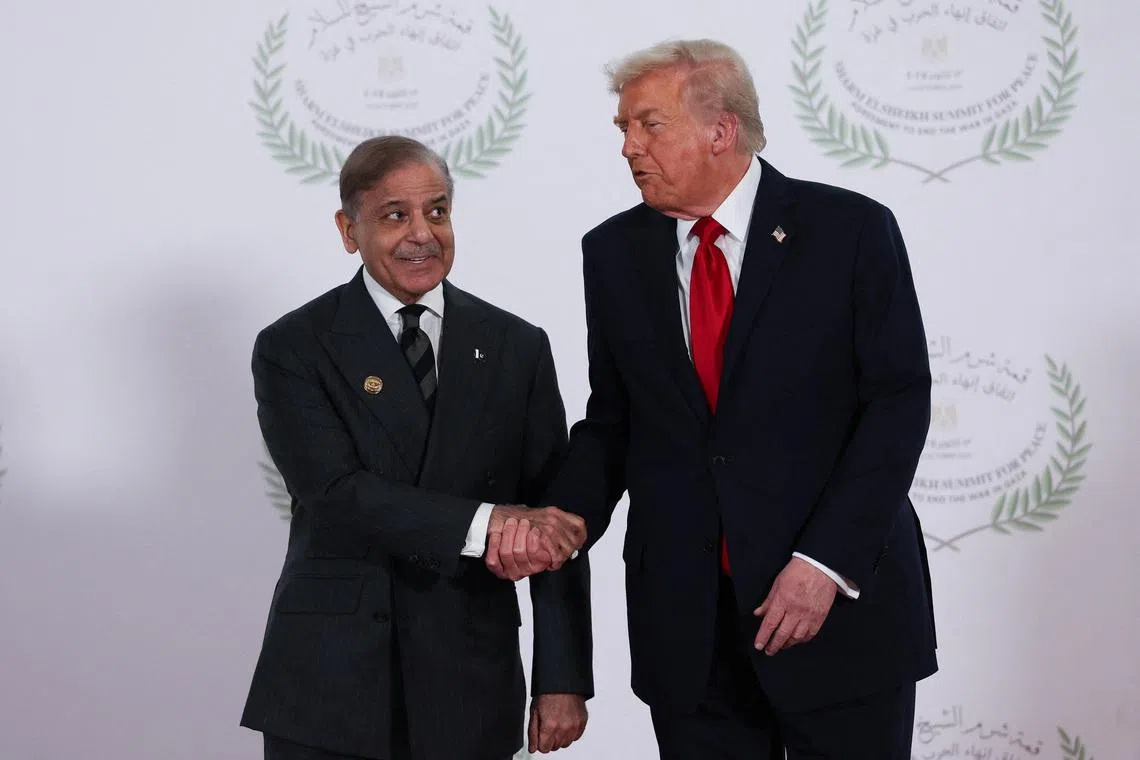
- General Asim Munir's recent Washington visit, including a luncheon with President Trump, surprised many observers, but the article frames it as the resurfacing of a partnership many assumed had ended after the Biden-era Afghanistan withdrawal and the lingering mistrust from the May 2, 2011 Abbottabad raid that killed Osama bin Laden.
- The State Department has historically grouped Pakistan under its 'Near East' (Middle East) bureau due to Islamic-world and Gulf ties, even as Pakistan is also filed under the Bureau of South and Central Asian Affairs — a bureaucratic duality reflecting the country's hybrid strategic identity.
- President George H. W. Bush continued Reagan-era Afghan cooperation with Islamabad but imposed Pressler Amendment sanctions in 1990 over Pakistan's nuclear program, while Benazir Bhutto's return as prime minister introduced civilian–military tensions that complicated Washington's dealings with both Islamabad's official government and its entrenched military hierarchy.
- Operation Neptune Spear — the May 2, 2011 raid deep inside Abbottabad that killed Osama bin Laden — deepened U.S. mistrust of Pakistan, even as the broader Pentagon–ISI logistics pipeline through Karachi into Afghanistan had already exposed how thin the line between ally and suspect had become.
Why it matters: The article reframes the current U.S.–Pakistan engagement from a Trump-era novelty into a structural, decades-old Pentagon–military relationship that survives administrations and crises. By placing Pakistan inside CENTCOM's Middle East theater rather than its South Asian geography, Washington has institutionalized a strategic identification with Gulf and Central Asian security concerns that pre-dates and outlasts any single presidency.