America's AC-dependent homes are heat death traps — SkimNews
SkimNews Take
The simultaneous failure of both AC-heavy and passive designs implies historical climate baselines have already shifted, meaning revived ancient techniques may now be optimizing for a world that no longer exists.
Get the Energy newsletter
Daily energy & climate — solar, EVs, oil, the policy fights and tech bets shaping the transition. Free.
- Western Europe suffered a record July heat wave that killed at least 1,300 people, exposing the limits of passive cooling methods — reflective white paint, thick shutters, and ventilated courtyards — in a warming climate.
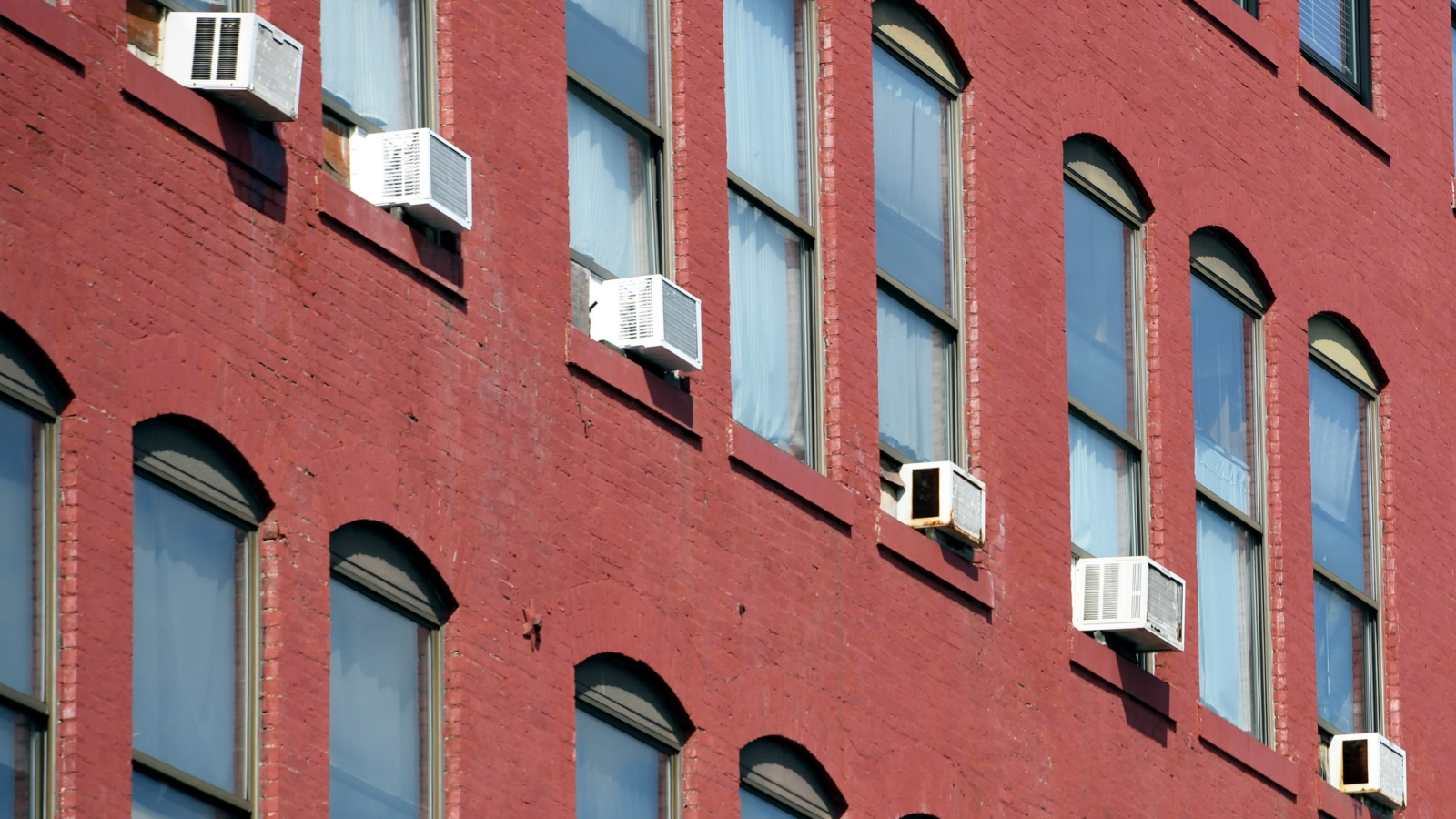
- Henry Galson invented the low-cost residential window AC unit in 1947, enabling postwar suburban expansion into hot Sunbelt climates; Phoenix grew from 65,000 residents to the fifth-largest US city.
- Researchers estimate a two-day Phoenix blackout during a heat wave could kill 12,800 people (~1% of population); street trees shading half the roads would cut that toll 27%, and cool roofs would cut it 66%.
- US power outages have doubled over the past two decades; after Hurricane Beryl knocked out Texas power in 2024, dozens to hundreds died from heat-related causes, potentially exceeding the storm's direct death toll.
- Stephanie Pullman, 72, died in Phoenix in 2018 a day after her electricity was cut over a $51 unpaid bill; up to a quarter of Arizona indoor heat deaths occur in mobile homes, whose thin walls and poor insulation make them especially deadly without power.
Why it matters: Researchers warn that in cities like Phoenix, the next multi-day blackout during a heat wave could kill over 12,000 people unless builders adopt passive strategies — cool roofs, tree shade, reflective materials, mobile-home retrofits — while electricity costs keep rising for AC-dependent households and vulnerable residents risk disconnection over small unpaid bills.
Ask SkimNews


