Thai Navy frigate tender draws 6 Asian, European bidders

Get the Geopolitics newsletter
Daily geopolitics — wars, elections, sanctions, the diplomatic moves that move markets. Free.
- Royal Thai Navy closed its single-frigate tender on 21 April with six competitors: ASFAT and TAIS (Türkiye), Hanwha Ocean and Hyundai Heavy Industries (South Korea), Navantia (Spain), and ST Engineering (Singapore), while three invited companies declined to bid and two missed the deadline.
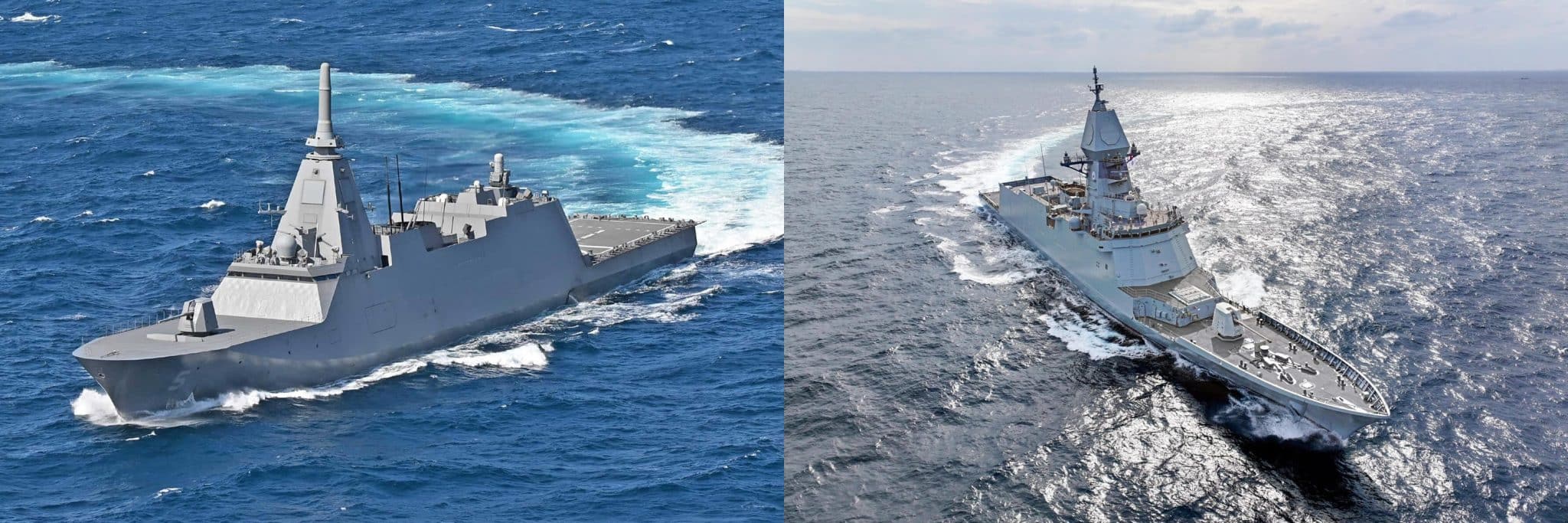
- HD Hyundai Heavy Industries is offering a customized design based on the HDF-3600 frigate under construction for Peru, having shown HDF-3200, HDF-3600, and HDF-4000 scale models at Bangkok's 2024 Defense & Security exhibition.
- Hanwha Ocean has put forward the 4,000-tonne Ocean-40F, while Turkish state-owned ASFAT is offering the I-class frigate (with a fifth hull launched earlier this year) partnered with Thai firm United Defense Technology.
- Navantia is offering the Alfa 3000 and arrives with recent Thai credentials: an US$85 million contract to install Catiz combat management and Dorna fire control systems on two Pattani-class OPVs, plus an April 2025 systems-integration deal on the Chinese-built HTMS Chang.
- China is a conspicuous absentee from a fleet whose oldest frigates are four Chinese-built Type 053HT Chao Phraya-class hulls and two Type 053 Naruesan-class ships, all from the 1990s and in need of replacement — the source attributes the no-show to the lingering S26T submarine dispute and incompatibility between Chinese and Western sensors and armaments.
- An RTN-appointed committee will assess qualifications, technical proposals, offset proposals, and pricing over roughly one month; the tender mandates a minimum 20% indigenous content and technology transfer, and the FY2026 budget allocates THB17.5 billion (US$534 million) with a further THB35 billion (US$1.07 billion) requested under the 2026-32 budget to build the first two hulls.
- Eight Thai shipbuilders — including Asian Marine Services, Marsun, Seacrest Marine, Unithai, and Thai International Dockyard — signed an MOU on 5 March 2025 to consolidate domestic capacity for complex naval programs, though the most advanced vessels Thailand has built domestically are two 2,000-tonne Krabi-class OPVs with BAE Systems.
Why it matters: Thailand is tendering frigates one at a time due to budget constraints, and the conspicuous absence of Chinese bidders — despite four Type 053 hulls needing replacement — hands an opening to Korean, Turkish, Spanish, and Singaporean yards. The 20% indigenous-content requirement and the RTN's stated goal of four frigates by 2037 make the first contract a long-term anchor for whoever wins Thai naval shipbuilding.
Ask SkimNews