As auto costs rise, will the US miss the golden age of electric vehicles? — SkimNews

Get the Energy newsletter
Daily energy & climate — solar, EVs, oil, the policy fights and tech bets shaping the transition. Free.
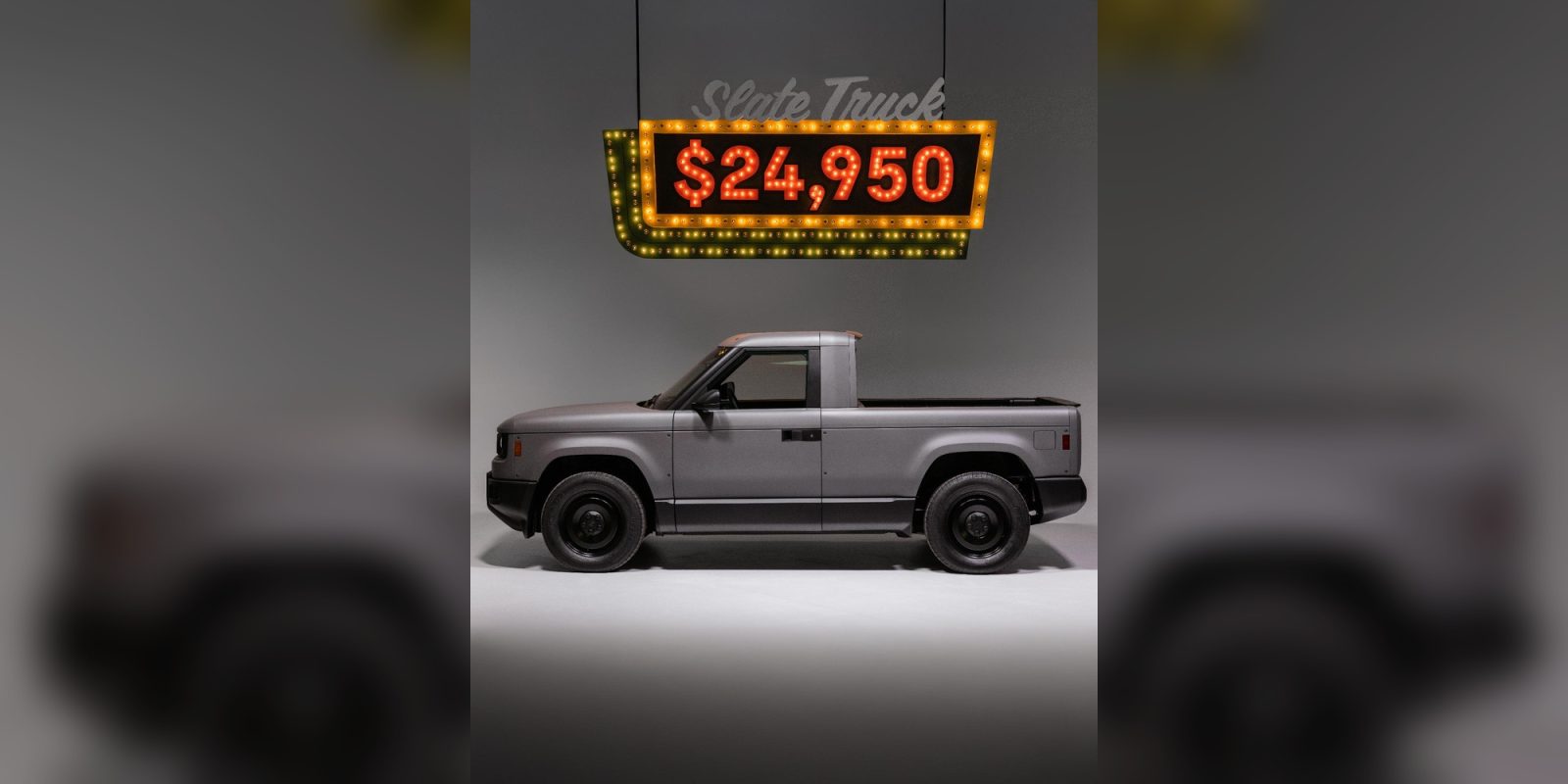
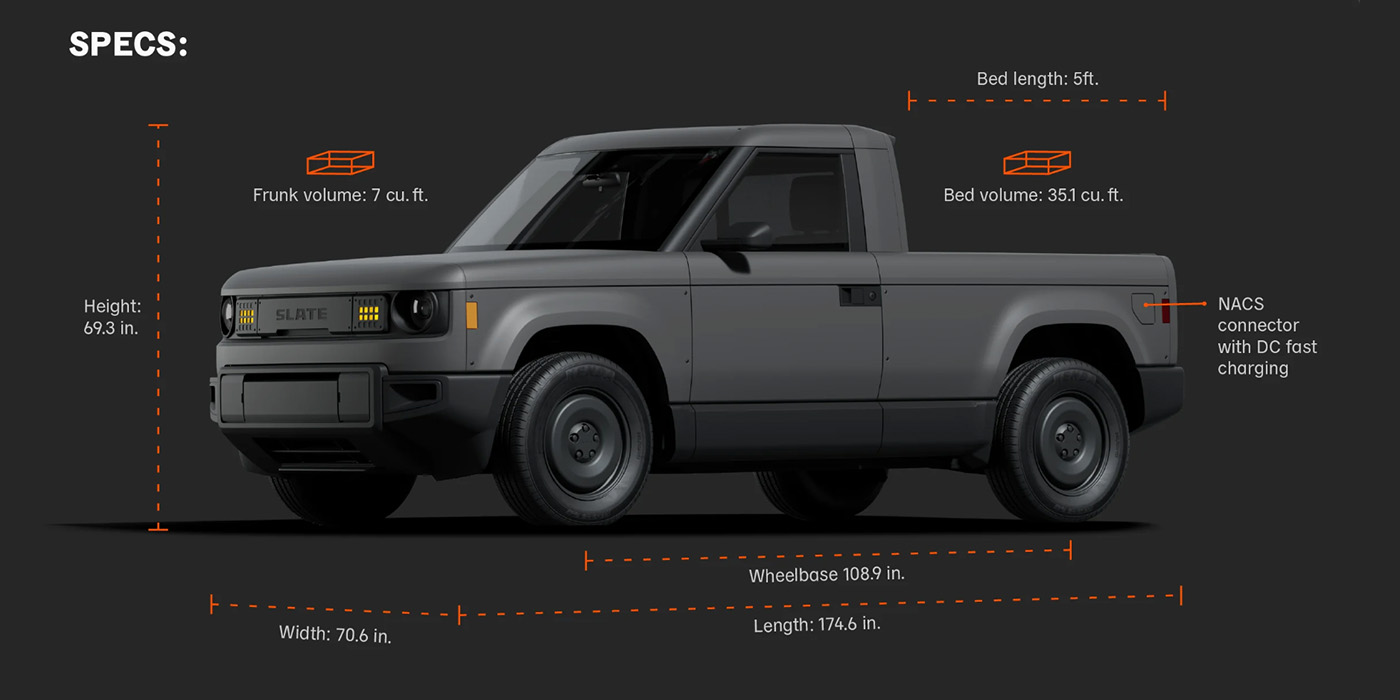
- Slate Auto launched a two-seat electric pickup at $24,950 with hand-crank windows, no stereo, and an estimated 205-mile range — roughly half the $48,402 average new-vehicle transaction price in the US.
- China offers more than 200 EVs and hybrids priced under $25,000 versus just eight US models in that range, and Chinese-made cars accounted for about 20% of UK December sales and 6.4% of EU sales despite new tariffs.
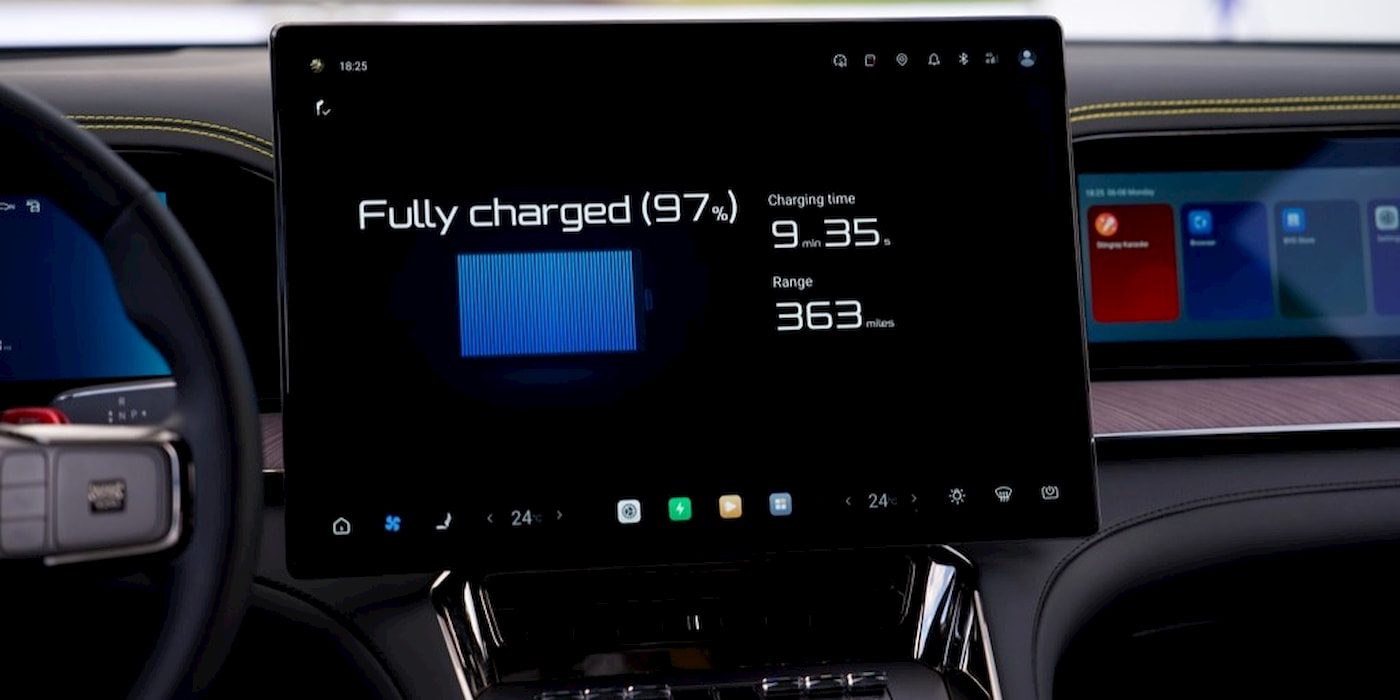
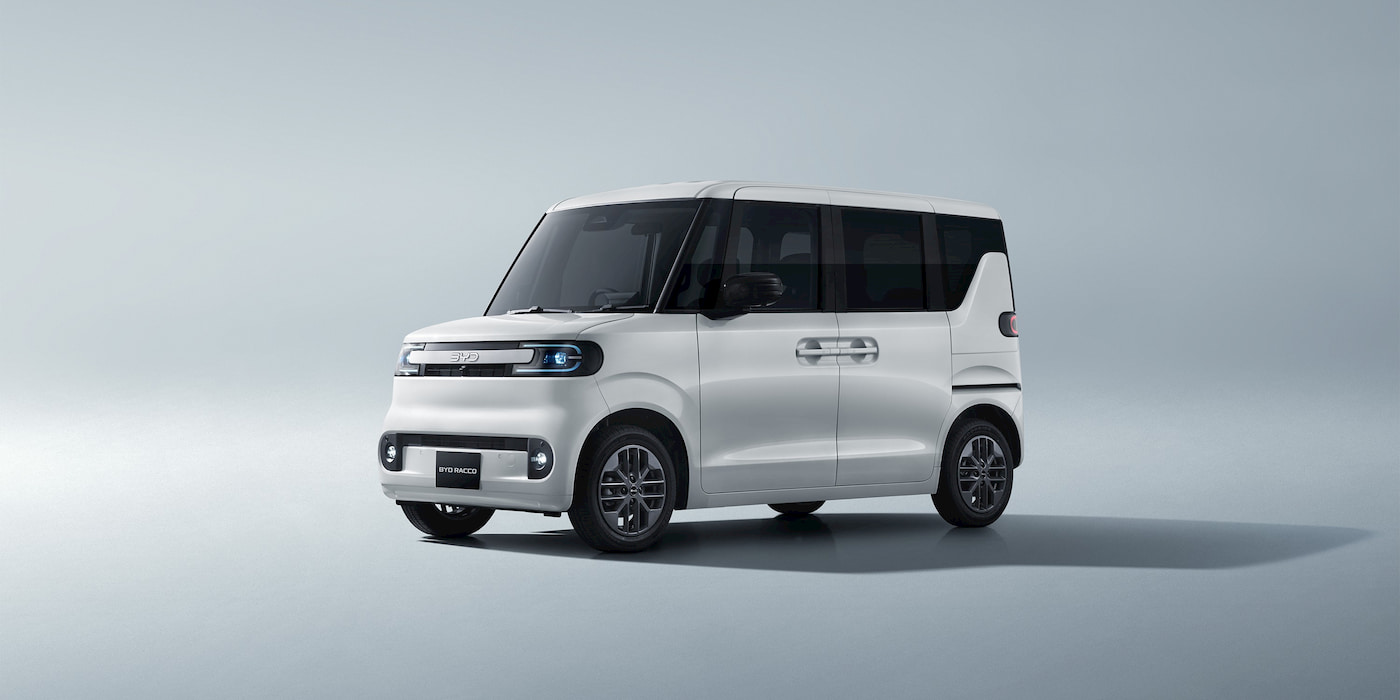
- BYD already produces more EVs than Tesla and is aiming to be the world's biggest automaker within five years; its premium models list under $15,000 with a 314-mile range and driver-assist features Slate lacks.
- The share of new US vehicles selling for $25,000 or less collapsed from nearly 21% in 2019 to under 5% last year, while the average transaction price climbed by about $11,000, per Edmunds.
- Dan Krassner, executive director of the American EVs Jobs Alliance, warned that handing the auto industry to Beijing carries economic and national-security consequences: "EVs are the big manufacturing prize of the century."
- Jessica Caldwell of Edmunds compared Slate to budget carrier Ryanair, arguing Americans are unlikely to embrace the stripped-down approach because added features are precisely what has driven US prices upward.
Why it matters: With Chinese EVs barred from the US market and tariffs keeping them out of Europe, Americans have no access to sub-$15,000 competitors like BYD — leaving domestic automakers dominant but unchallenged, and pushing the average new-car buyer out of the EV price band entirely. Krassner's framing elevates the stakes from consumer choice to industrial policy: the US has eight sub-$25K models where China has 200+, and that gap is now framed as a national-security question.
Ask SkimNews