4,000 Fisker Owners Build Open-Source Car Co-op — SkimNews
SkimNews Take
The abrupt cessation of software updates and connectivity for Fisker owners highlights how dependent modern vehicle functionality is on manufacturer solvency, making the vehicle purchase less of a final transaction and more of a subscription to ongoing support.
Get the Energy newsletter
Daily energy & climate — solar, EVs, oil, the policy fights and tech bets shaping the transition. Free.
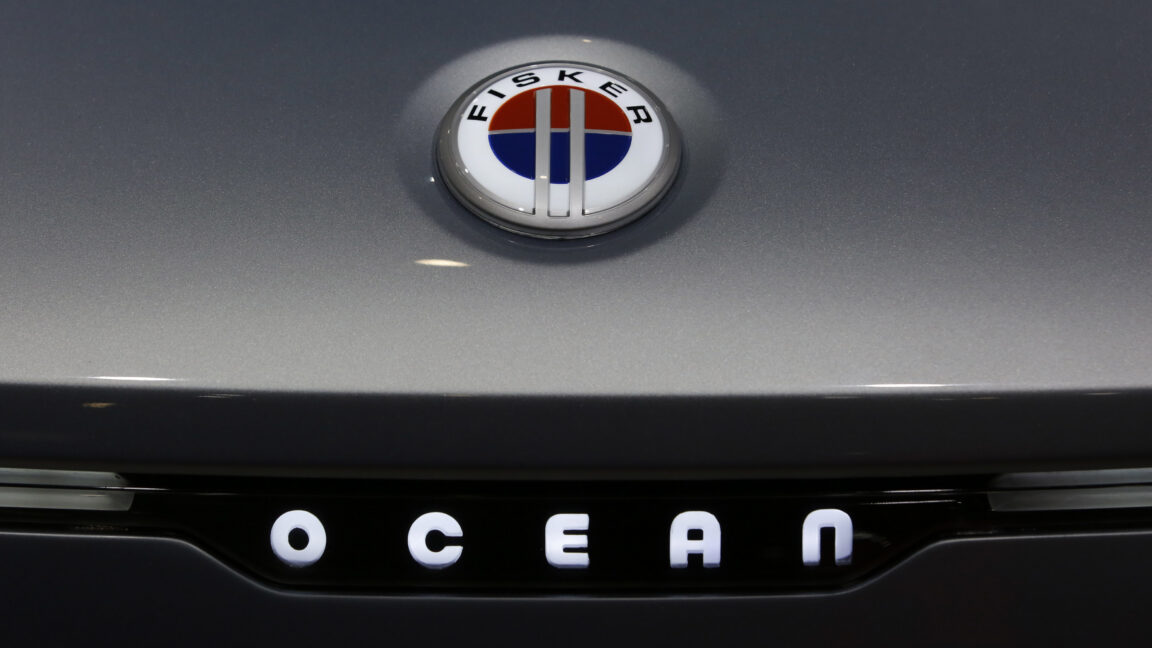
- Fisker Owners Association grew to 4,000 members and hired independent tech experts to reverse-engineer Fisker's proprietary software, while negotiating bulk key fob purchases that cut individual prices from roughly $1,000 each.
- Community developers on GitHub published open-source tools including a Home Assistant integration (135 commits, Apache 2.0 license) exposing all Fisker API values as sensors, and CAN bus DBC files mapping the Ocean's CCAN, PTCAN, Inverter CAN, and BCAN networks running at 500kbps.
- A $2.5 million American Lease deal to maintain cloud services collapsed when the company demanded the FOA cover 58% of operational costs and refused itemized invoices, resulting in revoked remote connectivity and a blocked software recall for Ocean owners.
- The FOA also created a "Flying Doctors" mobile repair network across Europe, pushed for safety recall representation in U.S. bankruptcy court, and secured parts supply through Tsunami/Tidal Wave plus insurance coverage preservation for a manufacturer-less vehicle.
- Vitalik Buterin called for more open source in the auto industry on X in July 2024, writing that cars becoming useless when manufacturers disappear has "quickly become a default" — a critique echoed by Cory Doctorow, who labeled the Fisker Ocean a "software-based car."
- With Nikola also bankrupt and Canoo and Arrival heading for liquidation, consumer advocates are pushing for mandatory software escrow funds and open-source mandates; Oregon's Right to Repair bill already bans the parts pairing that complicates independent Ocean repairs.
- Volkswagen, BMW, Mercedes-Benz, and eight suppliers signed a 2025 memorandum to develop a shared open-source automotive software platform — a structural fix the Fisker Owners Association is effectively prototyping from the ground up.
Why it matters: The 11,000 stranded Fisker Ocean owners — who paid $40,000 to $70,000 per vehicle — are now functioning as a de facto automaker, exposing how cloud-dependent modern cars become e-waste the moment a manufacturer disappears. With Nikola already bankrupt and Canoo and Arrival headed for liquidation, the debate over mandatory software escrow and open-source mandates has shifted from theoretical to urgent for every future EV buyer.
Ask SkimNews