Gum disease bacterium linked to breast cancer growth and spread
Why it matters: This discovery links oral health to breast cancer, offering new avenues for prevention and treatment.
- Johns Hopkins Medicine discovered Fusobacterium nucleatum can initiate breast cancer, speed tumor growth, and promote its spread by damaging DNA and altering cancer cell behavior.
- The bacterium was found to cause metaplastic and hyperplastic lesions, inflammation, and DNA damage in breast tissue, activating error-prone DNA repair systems.
- The effect is significantly stronger in individuals with BRCA1 mutations, raising critical questions about personalized cancer risk and prevention strategies.
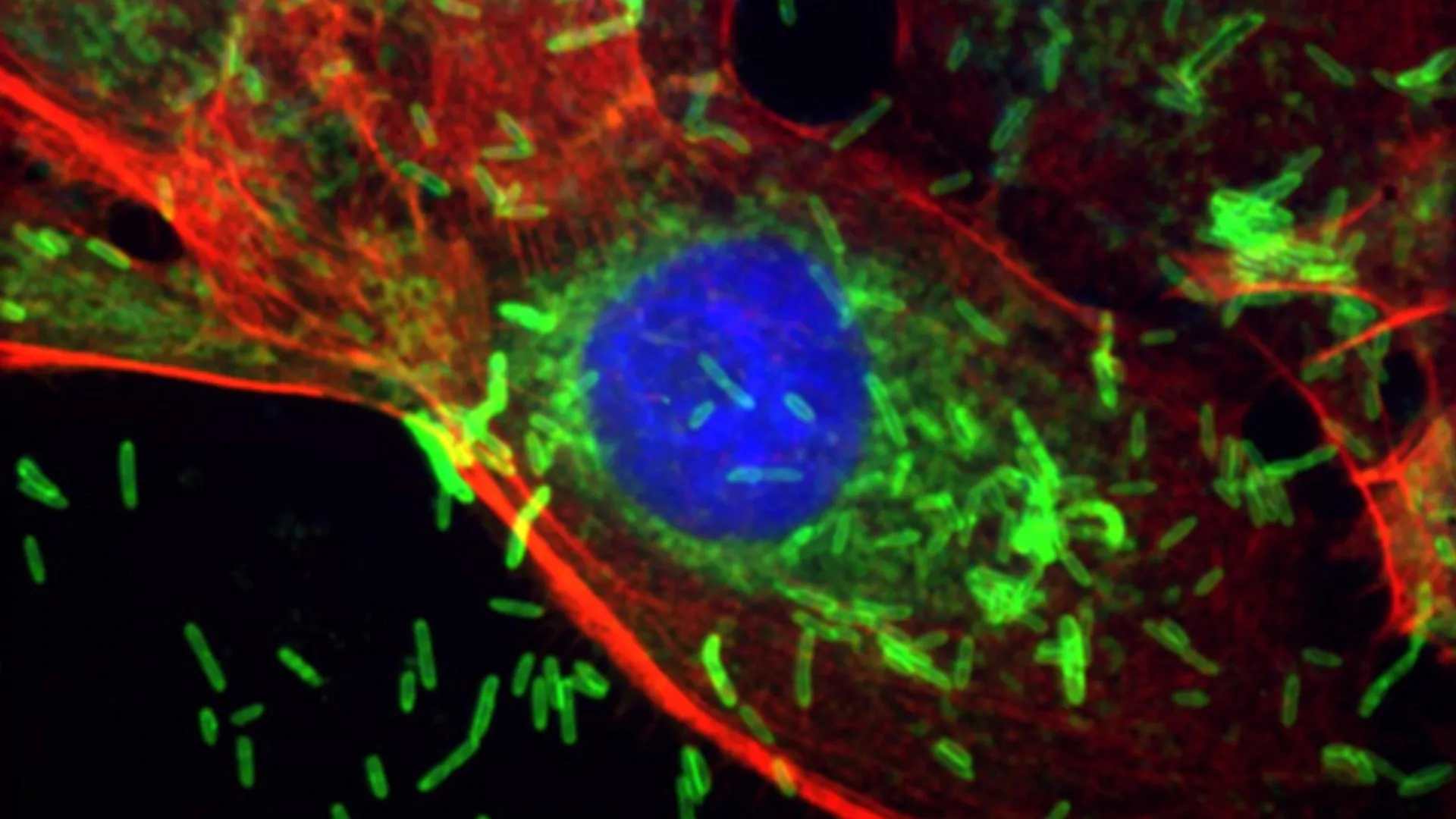
New research from Johns Hopkins Medicine reveals a common gum disease bacterium, Fusobacterium nucleatum, can travel to breast tissue, accelerating tumor growth and spread, particularly in individuals with BRCA1 mutations. This microbe causes DNA damage and makes cancer cells more aggressive and resistant to therapy, highlighting a surprising link between oral health and breast cancer risk.