Pay-to-Play Soccer Blamed for USMNT's Belgium Collapse — SkimNews
Get the Sports newsletter
Daily sports — scores, transfers, the storylines from the leagues you actually follow. Free.
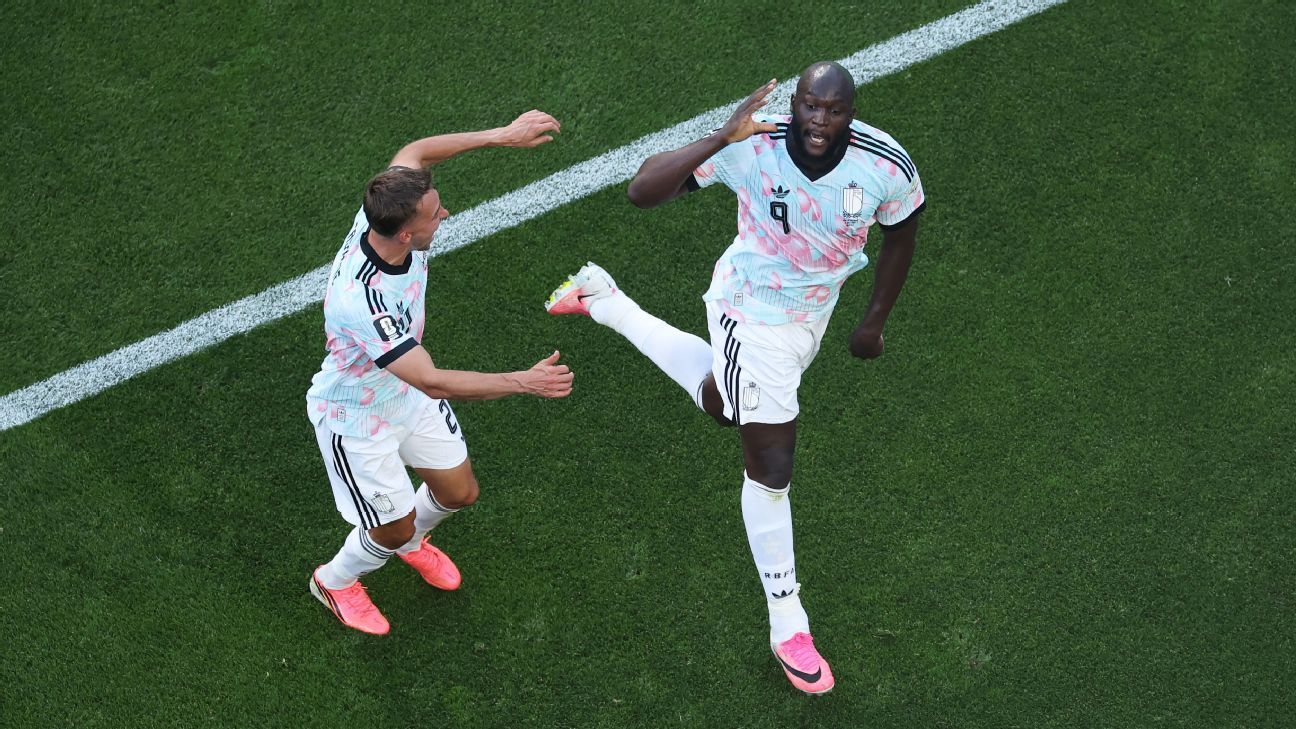
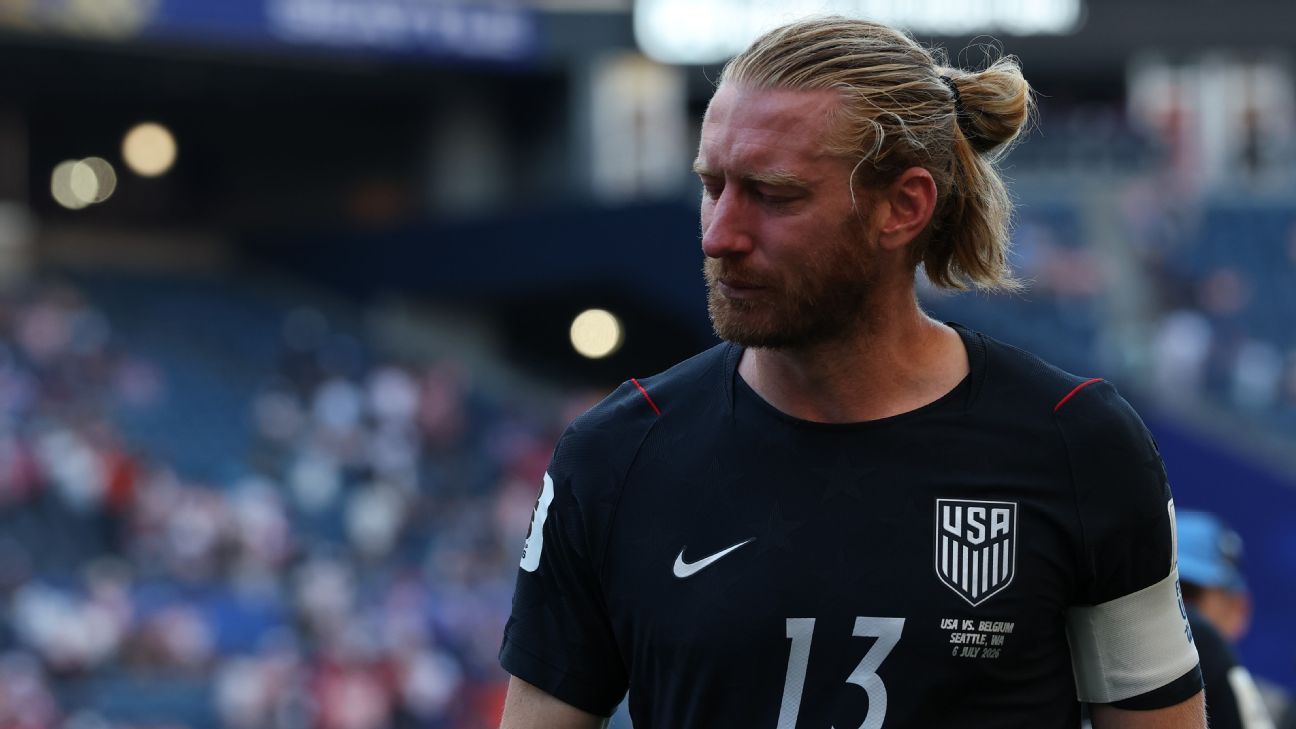
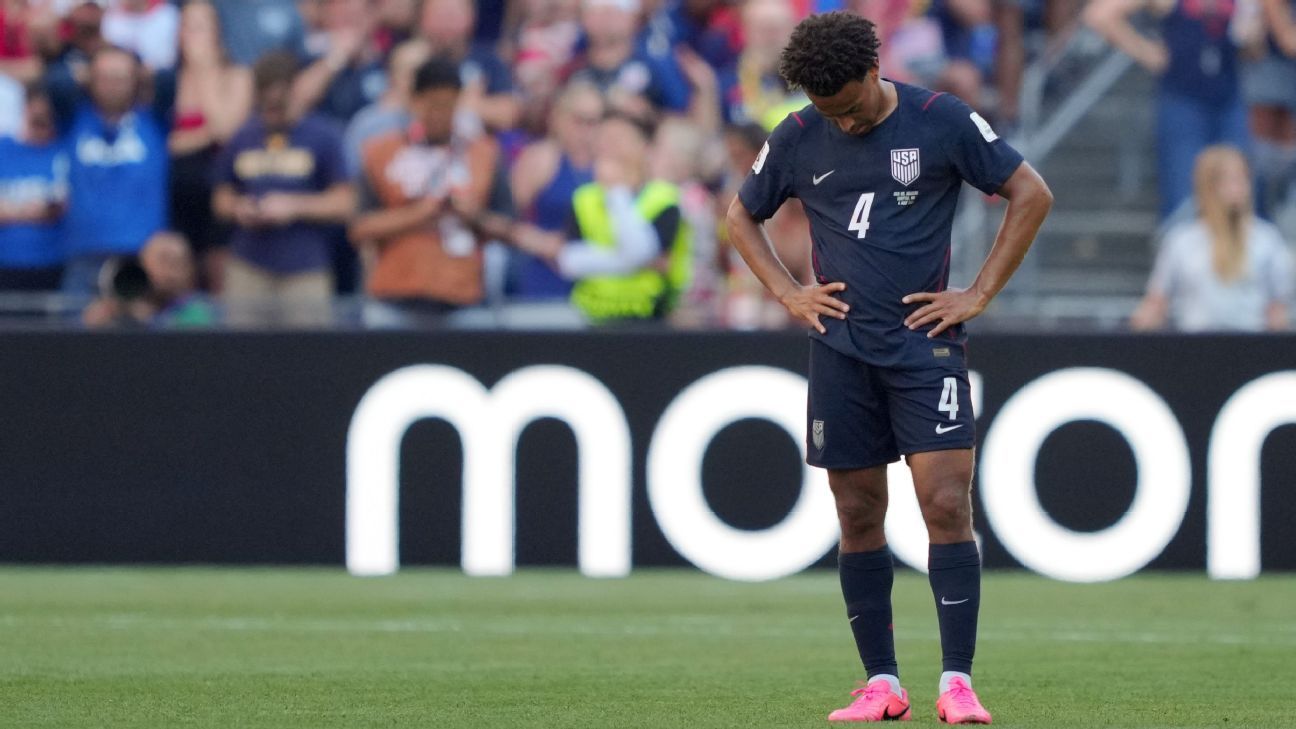
- The USMNT lost 4-1 to Belgium in the World Cup round of 16, extending its streak of failing to reach the quarterfinals to six consecutive tournaments.
- Carli Lloyd, now a Fox Sports analyst and former USWNT star, said the Americans "lost the game before they stepped out onto the pitch," calling them "chasing, tentative, scared."
- The US men's soccer development system is anchored by pay-to-play travel soccer — a $40 billion-plus industry that can run families over $20,000 a year in fees, travel, and training, according to the column.
- MLS Next, the league's free academy pathway modeled on European clubs, doesn't begin until the teenage years, leaving expensive travel soccer as the dominant entry point for American kids.
- The travel soccer model caters to suburban families over rural or urban kids and rewards clubs for stacking winning rosters at U8 and U11 levels rather than developing creativity or competitive fire.
- The current USMNT was described as more talented than past squads led by Claudio Reyna, Landon Donovan, and Clint Dempsey, yet "further behind" in heart and resolve.
- Belgium, with 12 million people, outworked a US player pool drawn from a nation of nearly 350 million — alongside "untold millions more available through various citizenship tentacles allowed by FIFA," the column notes.
Why it matters: With travel soccer a $40 billion-plus industry charging families over $20,000 annually, the column argues the US pipeline structurally produces technically capable but mentally soft players. US Soccer's free MLS academies can't offset the problem because they don't reach kids until their teen years — meaning the pay-to-play system shapes American soccer talent before the federation's reforms ever do.
Ask SkimNews