India, Pakistan ties ‘remain a risk’ for nuclear conflict: U.S. Intelligence
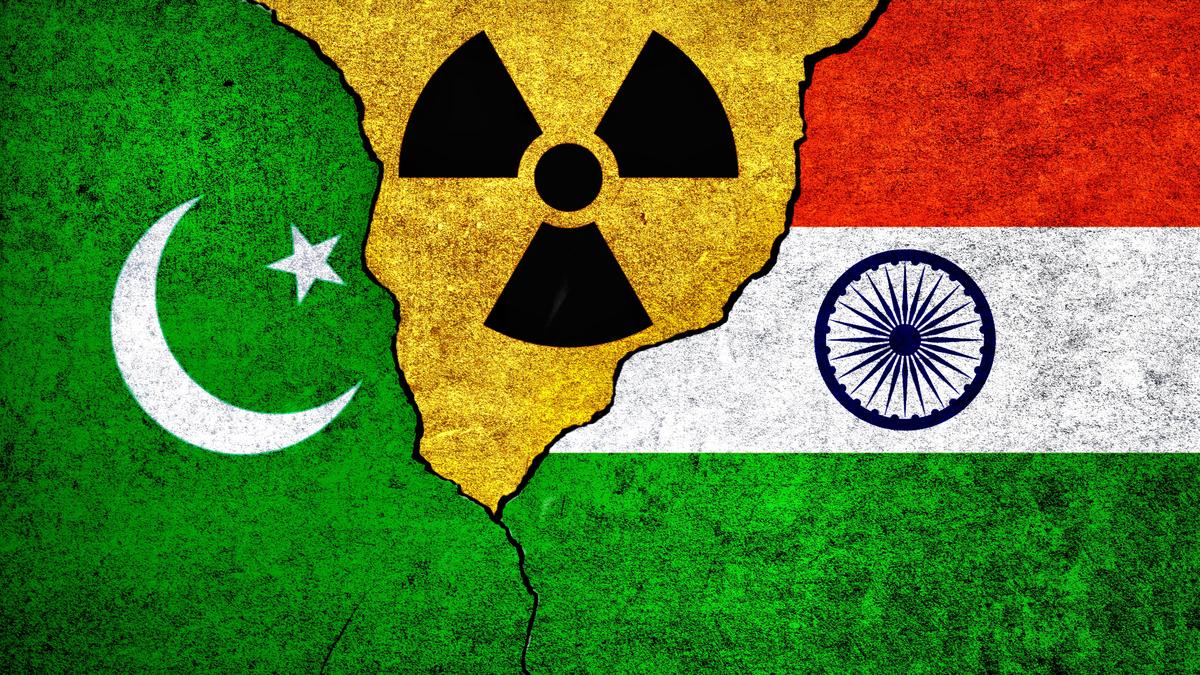
Why it matters: A nuclear flashpoint in South Asia could destabilize global security and draw major powers into conflict.
- U.S. Intelligence Community flags India‑Pakistan relations as a persistent nuclear‑conflict risk, citing past wars and recent terrorist attacks as flashpoints.
- ISIS‑K maintains a foothold in South Asia and seeks external attacks, while Taliban raids have partially curbed its operations.
- Pakistan is advancing sophisticated missile technology that could evolve into intercontinental capabilities, raising concerns beyond the region.
- Taliban and Pakistan have exchanged cross‑border strikes, intensifying tensions and complicating any de‑escalation efforts.
- President Trump previously intervened to defuse the latest nuclear tension, underscoring how external diplomatic moves can temporarily calm the situation.
U.S. intelligence warns that lingering India‑Pakistan hostility, bolstered by terrorist provocations and a resilient ISIS‑K presence, keeps South Asia on a nuclear brink. Pakistan’s accelerating missile program and fresh Taliban‑Pakistan border clashes add layers of volatility that could ripple worldwide.