Vitamin D Trial Finds No Acute Benefit — SkimNews
Get the Health newsletter
Daily health & science — research, biotech, public health, the studies worth knowing. Free.
- Mass General Brigham launched the Vitamin D for COVID‑19 (VIVID) Trial, a randomized, placebo‑controlled study of high‑dose vitamin D3 in recently infected adults and their household contacts.
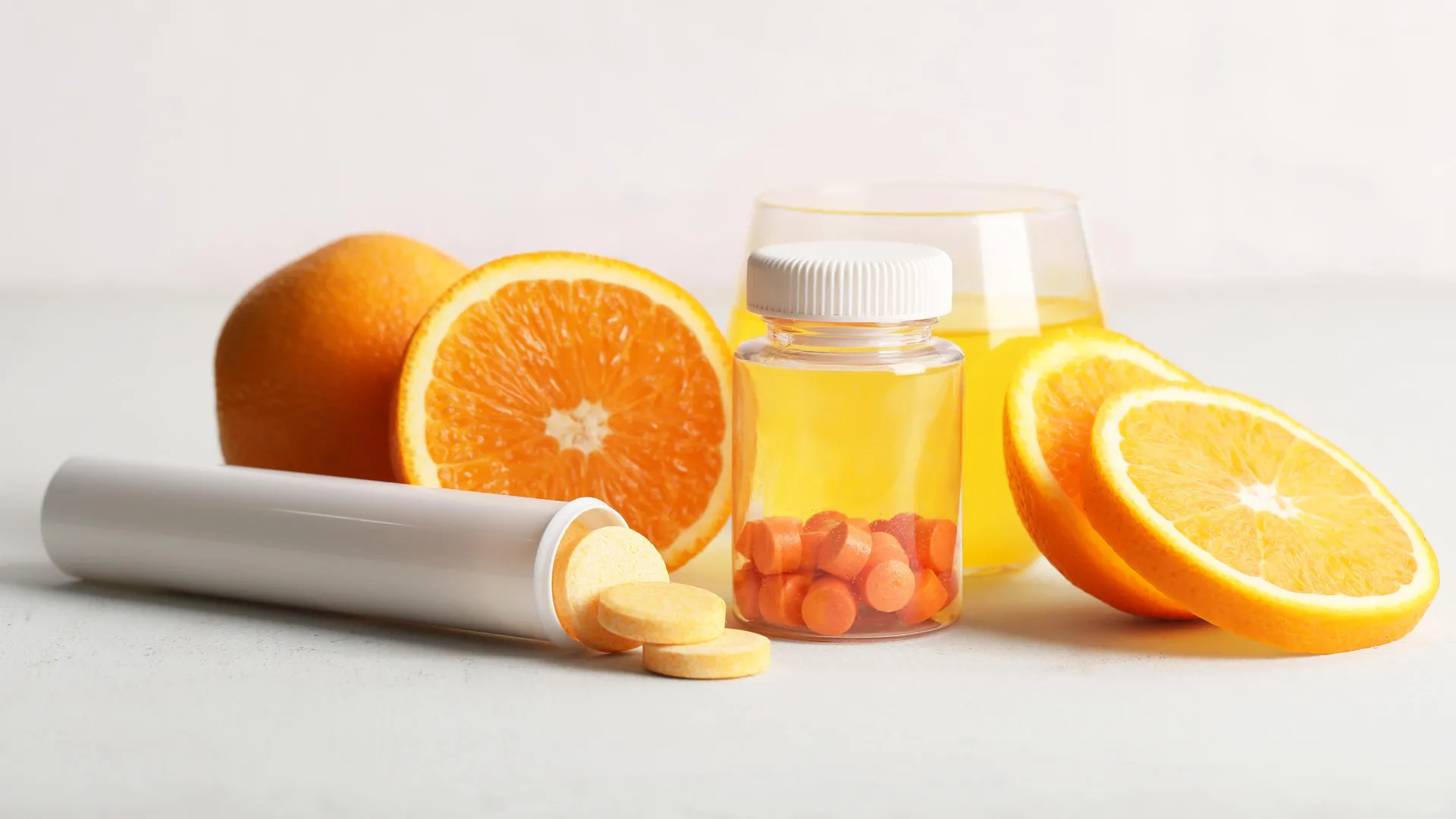
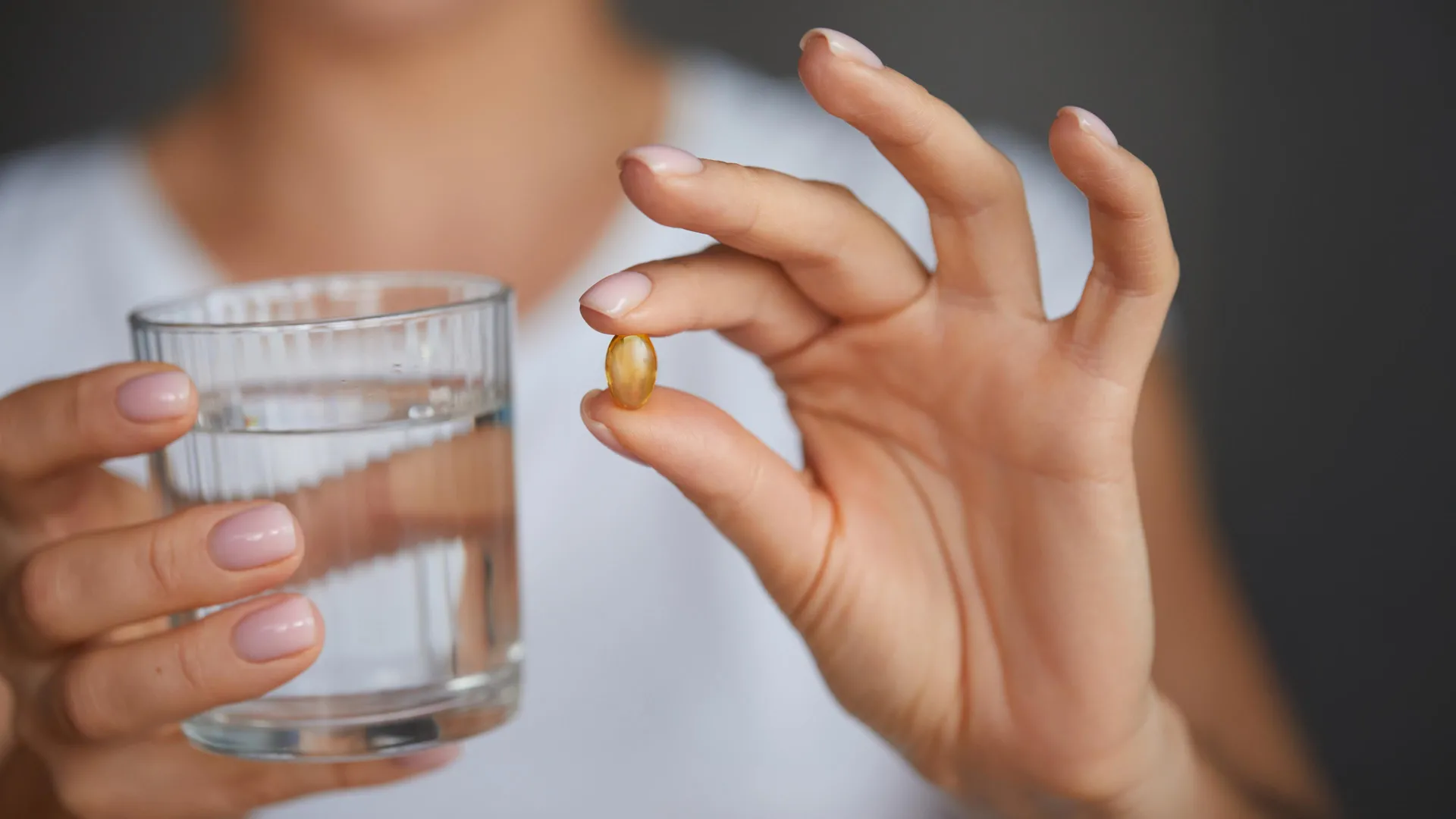
- The trial enrolled 1,747 COVID‑19 positive adults and 277 household contacts across the United States and Mongolia, assigning them to 9,600 IU/day vitamin D3 for two days then 3,200 IU/day, or placebo, for four weeks.
- Results showed no meaningful difference between the vitamin D and placebo groups in acute disease severity, healthcare utilization, death, or transmission to household contacts.
- Adherence analysis indicated that participants who consistently took vitamin D reported long‑COVID symptoms at eight weeks at a rate of 21%, compared with 25% in the placebo group, a borderline‑significant difference.
- JoAnn Manson, senior author, said the trial’s long‑COVID signal warrants further investigation despite the loss of acute benefits.
- Funding and disclosures note anonymous foundation support, philanthropic donations, and contributions from Tishcon, Takeda, and Capitainer, with author Niclas Roxhed having a conflict as founder/shareholder of Capitainer AB.
Why it matters: Patients and clinicians seeking a simple acute‑COVID treatment lose a viable option, as the trial shows high‑dose vitamin D3 does not reduce severity or hospital use. However, the modest reduction in long‑COVID symptoms offers a tangible research lead for future supplementation guidelines in post‑COVID care.
Ask SkimNews