BYD’s big EV bet is paying off as drivers ditch gas with surging oil prices
Why it matters: Soaring oil prices are accelerating the global EV transition, validating early bets and reshaping automotive markets.
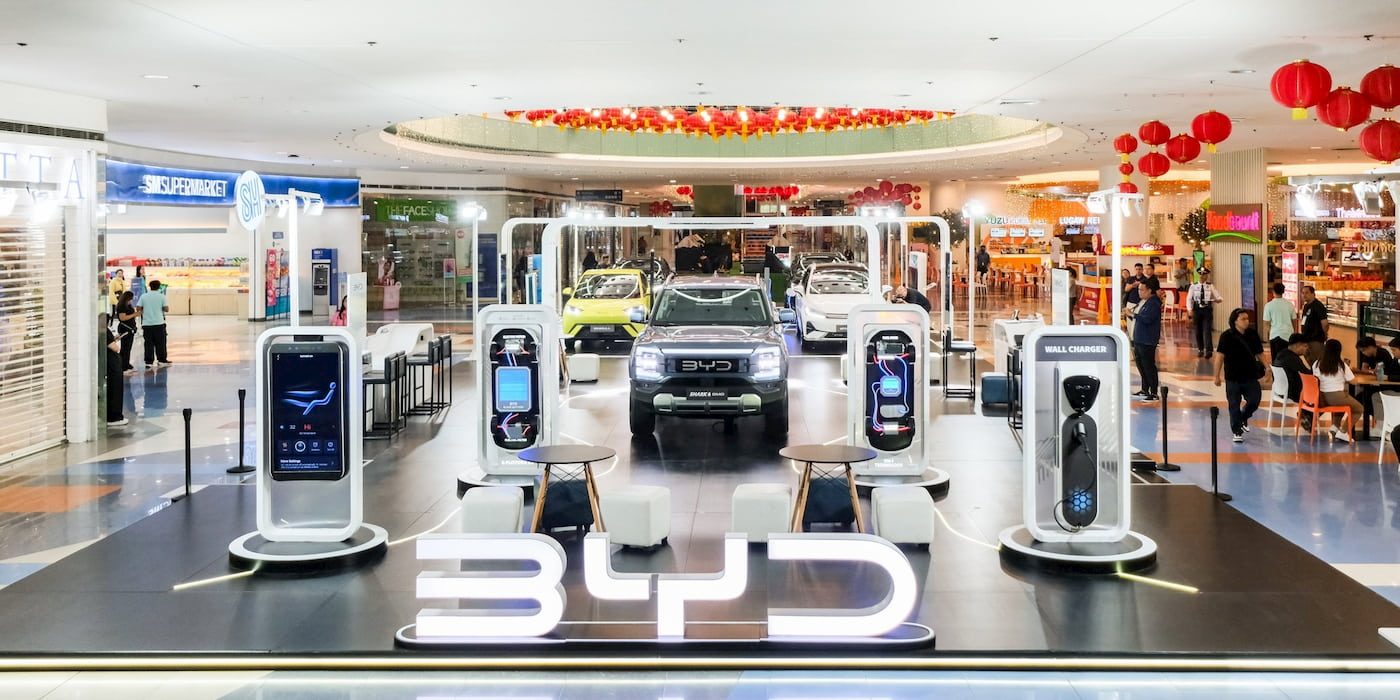
- BYD has become the world's largest EV maker since ceasing ICE vehicle production in 2022, with sales surging amid rising oil prices, booking a month's worth of orders in two weeks at one Manila dealership.
- VinFast dealerships are also experiencing a quadrupling of showroom visits, leading to increased hiring, as consumers like Lai The Manh Linh trade gas-powered cars for EVs to save money.
- Global EV adoption avoided 1.7 million barrels per day of oil consumption last year, according to UK-based Ember, demonstrating EVs' role in reducing reliance on volatile oil imports.
- Southeast Asian countries like Laos and Thailand are actively promoting EV adoption through reduced registration fees and subsidies, recognizing EVs as a buffer against high oil prices, which significantly impact their economies.
- Legacy automakers like Honda are criticized for canceling EV lines, with Damon Ekstrom suggesting such moves are ill-timed given the expected surge in EV demand due to high oil prices, especially in the US and China.
BYD's strategic pivot to electric vehicles is paying off handsomely, as surging global oil prices, exacerbated by Middle East tensions, are driving a rapid increase in EV demand, particularly across Asia. This shift is not only boosting sales for EV manufacturers like BYD and VinFast but also prompting governments to incentivize EV adoption to mitigate the economic impact of high fuel costs.