'Regime change' might be biggest failure in Operation Epic Fury
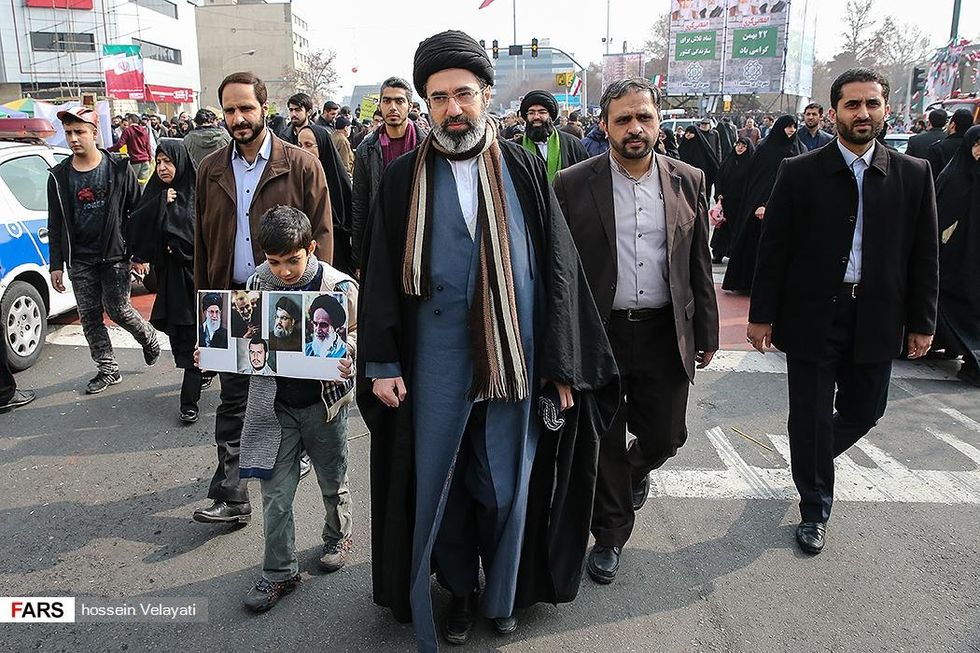
Why it matters: The new Iranian leadership, including Mojtaba Khamenei and Mohammad Bagher Zolghadr, is more hardline than their predecessors.
- President Donald Trump claimed 'regime change' in Iran, asserting that assassinations of senior officials like Ayatollah Ali Khamenei and Ali Larijani led to a more moderate leadership.
- The article immediately countered Trump's assertion, arguing that Iran's institutions are resilient and the regime has not fallen, despite the assassinations.
- Mojtaba Khamenei, the new Supreme Leader and son of the slain Khamenei senior, is described as a non-compromising hardliner, having been taught by radical clerics like Ayatollah Mohammad Taqi Mesbah Yazdi.
- Three of five leading Iranian Revolutionary Guard Corps strategists identified in 2012, including Brigadier Gen. Ahmad Vahidi and Gen. Mohammad Ali (Aziz) Jafari, remain on active duty, maintaining a hardline stance.
- Retired IRGC Brigadier Gen. Mohammad Bagher Zolghadr, Larijani’s successor, is identified as a hardliner and expert in asymmetric warfare, with a radical political background and strong ties to hardline elements.
- President Masoud Pezeshkian, who chairs the SNSC, appointed Zolghadr, aligning with the late Khamenei's preference for individuals with security establishment links.
President Trump's claim of achieving 'regime change' and installing moderate leaders in Iran through assassinations, including Supreme Leader Ayatollah Ali Khamenei, is strongly refuted by analysis suggesting the new leadership is even more hardline and resilient. The article argues that Iran's political and military institutions have depth and have replaced slain officials with individuals deeply entrenched in radical ideologies and asymmetric warfare strategies.