William C. Huff's Solar Array Prevents 2M Pounds of CO2
Get the Energy newsletter
Daily energy & climate — solar, EVs, oil, the policy fights and tech bets shaping the transition. Free.
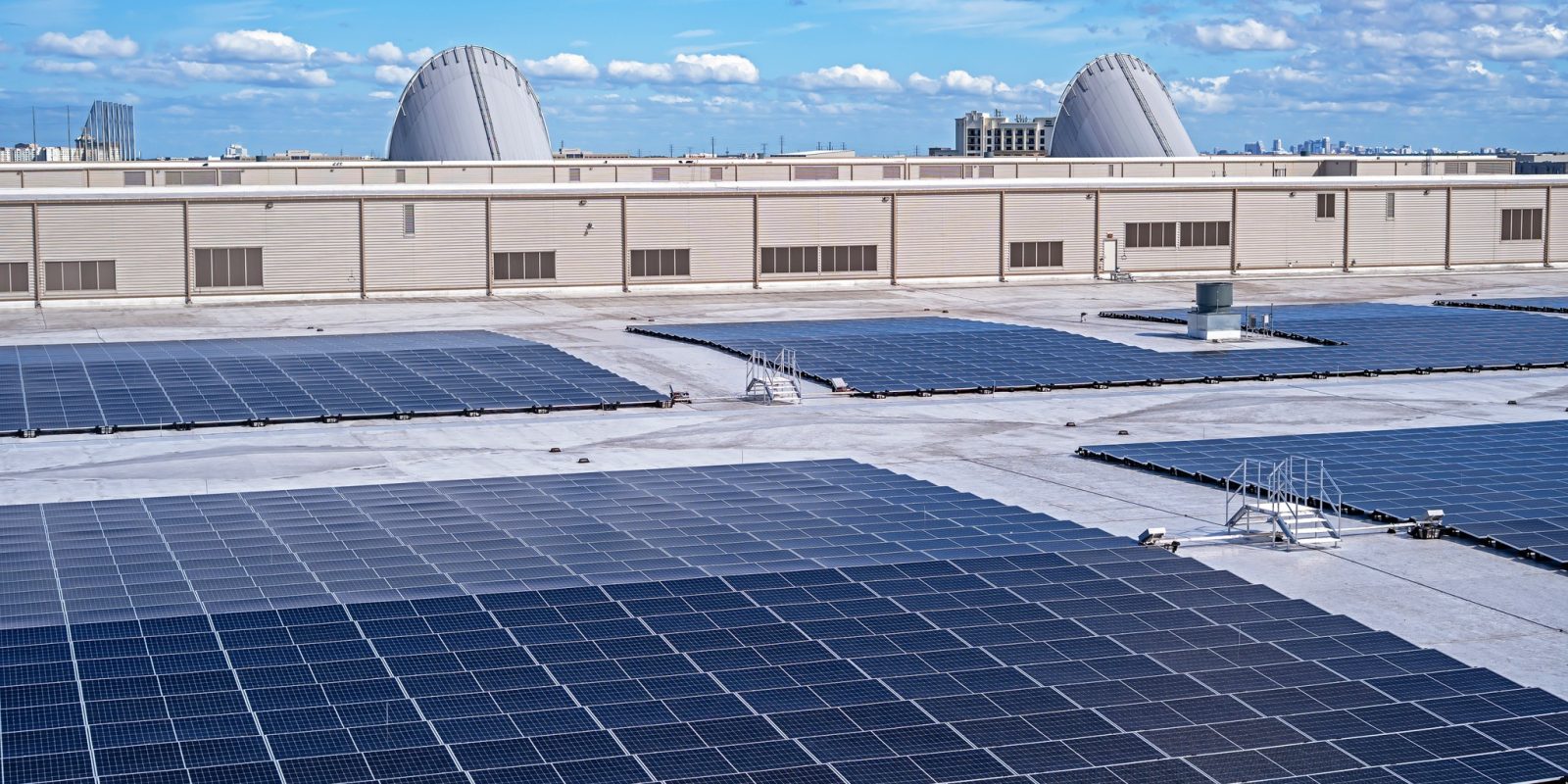
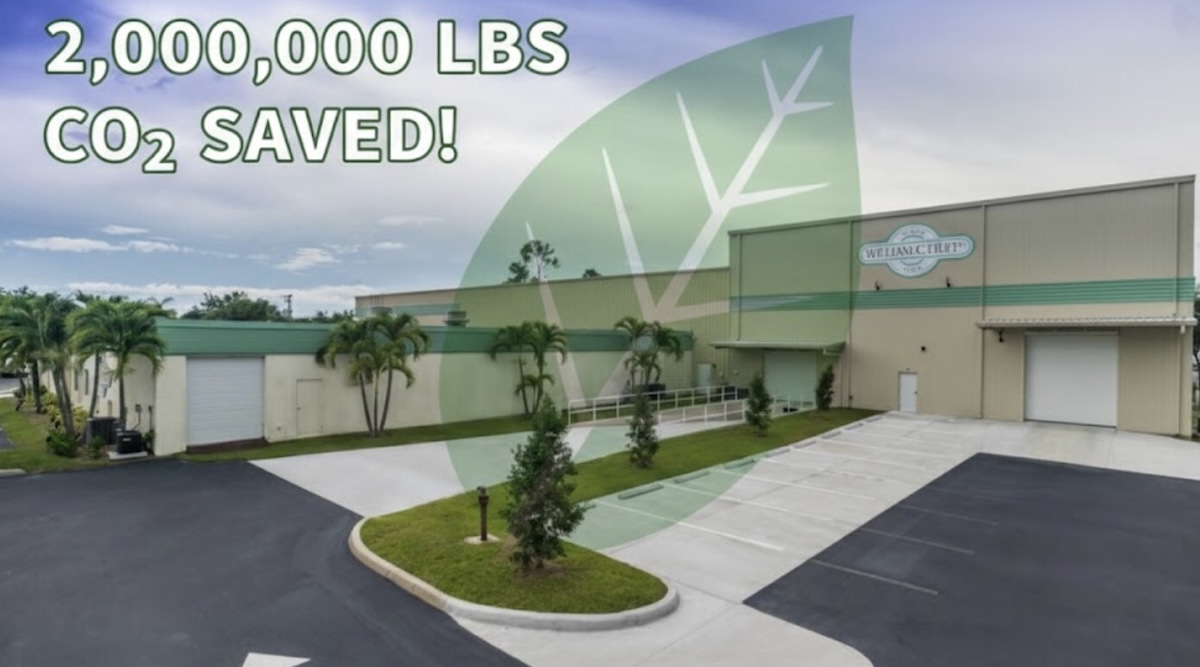
- William C. Huff Companies reported on February 24, 2026, that its 535-panel, 137-kW rooftop solar array in Naples, Florida, has prevented 2 million pounds (1,000 tons) of CO2 since switching on October 15, 2015 — billed as the largest solar array of its kind in Collier County.
- The 20,000-square-foot Naples warehouse has generated more than 170,000 kWh of clean energy and saved over 145,000 gallons of fuel over the decade, per the company's announcement.
- Huff's 2015 installation cost $350,000 and was designed to net out the facility's energy costs over 25 years at 4.8 cents/kWh after a 30% federal tax credit, per Naples News reporting at the time.
- CEO Jim Henderson framed the milestone as a challenge to the broader logistics sector, noting that modern 400-watt solar panels could allow a similar 20,000-square-foot warehouse to save roughly 150 tons of CO2 per year — a 50% improvement over Huff's decade-long average of about 100 tons annually.
- Huff's broader sustainability program includes a diesel truck trade-in program that has cut fleet emissions to less than half the typical level, plus annual reuse/recycling of 250,000+ lbs of cardboard boxes, 350,000+ lbs of cardboard, and 100% of wooden crates built for transporting art and sculptures.
- Electric truck maker Xos announced a $99,000 starting price for its new Xos Class 6 strip chassis on February 3, positioning itself as a player in the commercial EV transition, with existing clients including UPS, FedEx, Cintas, and Loomis.
Why it matters: Huff's own data argues the next decade could be roughly 50% more productive: swapping 300-watt panels for today's 400-watt models on the same 20,000-square-foot roof would lift CO2 savings from about 100 to 150 tons per year per warehouse. For a logistics sector with thousands of comparable rooftops, that scaling math is the story — not the 2-million-pound milestone itself.
Ask SkimNews