Pakistan leans on US and Iran ties to emerge as potential peacebroker
Why it matters: Pakistan's mediation could reshape regional power dynamics and prevent wider conflict, boosting its global influence.
- Pakistan is positioning itself as a peacebroker, aiming to host talks to end the Iran war, a move that could boost its global prominence to levels not seen since 1972 (Reuters).
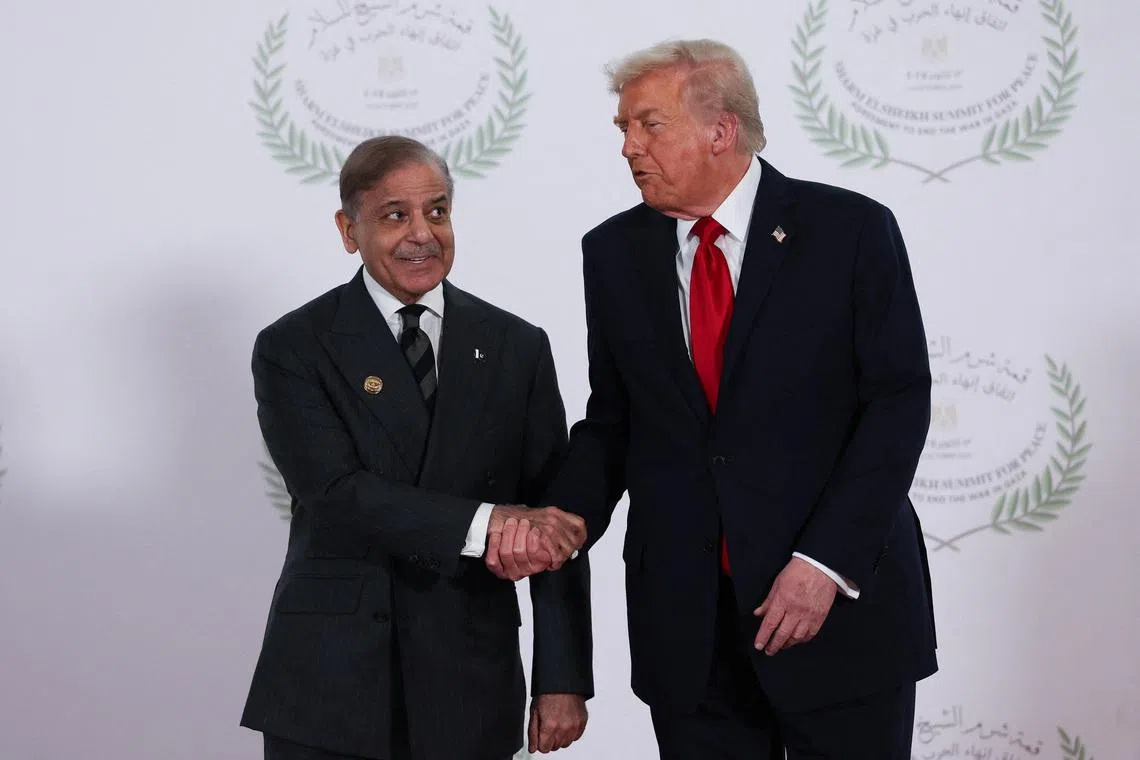
- Pakistan's army chief Field Marshal Asim Munir has cultivated a close relationship with Trump, joining his Board of Peace and facilitating crypto deals and real estate agreements to repair years of mistrust (Reuters).
- Adam Weinstein of the Quincy Institute highlights Pakistan's "unusual credibility" as a mediator due to its workable ties with both Washington and Tehran, despite a history of strained relations with each, providing necessary distance for a credible go-between (Reuters).
- Pakistani and foreign sources indicate that officials from both the U.S. and Iran could hold talks in Islamabad as early as the end of this week, with U.S. Vice President JD Vance, Steve Witkoff, and Jared Kushner expected to participate (Reuters).
- Pakistan has already shuttled at least half a dozen messages between the U.S. and Iran since the conflict began, demonstrating its active diplomatic engagement (Pakistani official sources).
- Prime Minister Shehbaz Sharif and Pakistan's foreign minister have engaged in over 30 conversations with international counterparts over the past month, underscoring the intensity of their diplomatic efforts (official press releases).
Pakistan is strategically leveraging its unique diplomatic position, maintaining direct ties with both the U.S. and Iran, to emerge as a potential mediator in the Iran war. This initiative, built on a year of cultivating relations with the Trump administration and its historical neutrality, could significantly elevate Pakistan's global standing and mitigate the risk of regional spillover from the conflict.