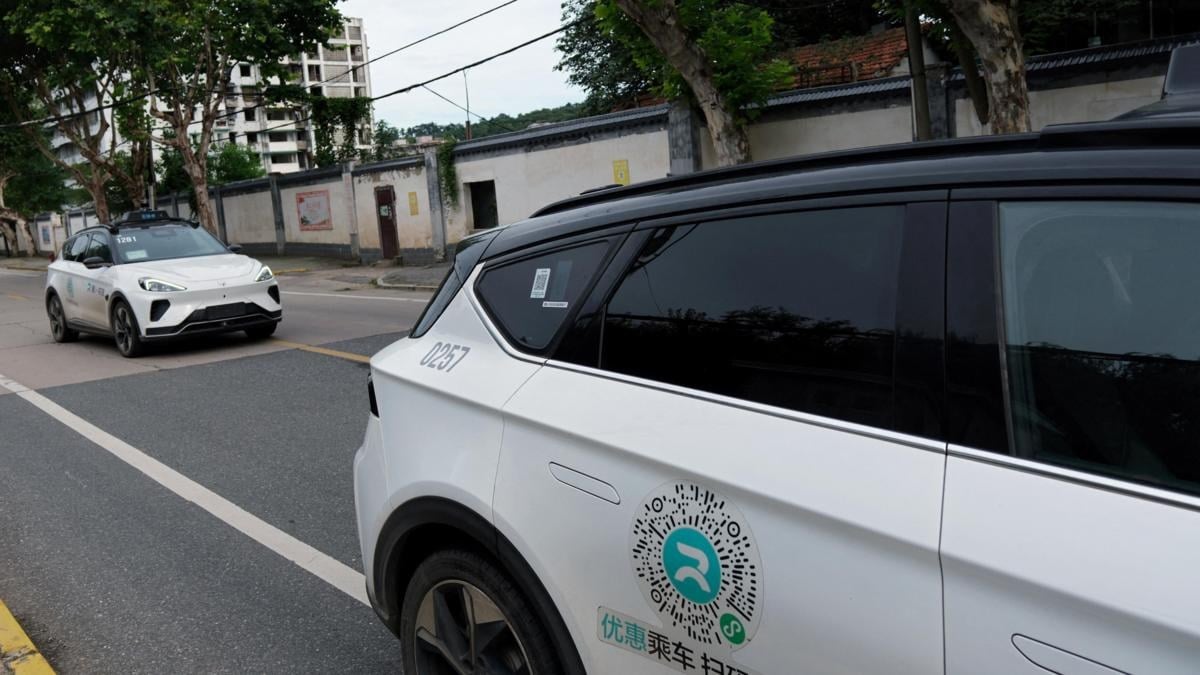
Wuhan halted as 100 Baidu robotaxis malfunction
The 30-Second Skim7 points
- What happenedA system malfunction halted about 100 Baidu Apollo Go robotaxis on Wuhan’s roads, prompting safety concerns and highlighting the challenges of large‑scale driverless taxi deployments.
- Key facts & numbersPolice in Wuhan reported that a system malfunction caused at least 100 Apollo Go robotaxes to stop in the middle of traffic on Tuesday. Social media videos captured the outage, showing a possible highway collision, though police confirmed no injuries and passengers exited safely. Baidu has not yet commented on the incident, while its Apollo Go service operates in dozens of cities worldwide, primarily in China.
- What happens nextHundreds of Baidu robotaxis froze in Wuhan—driverless tech still has kinks, and even Uber/Lyft’s UK rollout could stall.
- Police in Wuhan reported that a system malfunction caused at least 100 Apollo Go robotaxes to stop in the middle of traffic on Tuesday.
- Social media videos captured the outage, showing a possible highway collision, though police confirmed no injuries and passengers exited safely.
- Baidu has not yet commented on the incident, while its Apollo Go service operates in dozens of cities worldwide, primarily in China.
- Uber announced a partnership with Baidu in December 2025 to test Apollo Go cars on UK roads, aiming for 2026 trials pending regulator approval, with Lyft also involved.
Why It Matters
The outage erodes public confidence in Baidu's Apollo Go fleet, pressuring regulators and potentially delaying the company’s expansion and the planned Uber/Lyft UK trials, while competitors like Waymo may gain a credibility edge. The incident also highlights the need for more robust safety protocols, which could increase operational costs for driverless services.
Sources Cited
Related Coverage
Ask SkimNews