Adobe Max sneaks: 3D photos, AI character auditions
The 30-Second Skim
- What happened: Adobe showcased four experimental AI "sneaks" at its Max conference, making character direction, sound mixing and photo editing more conversational and intuitive — though none is yet confirmed for shipping in Creative Cloud or Firefly.
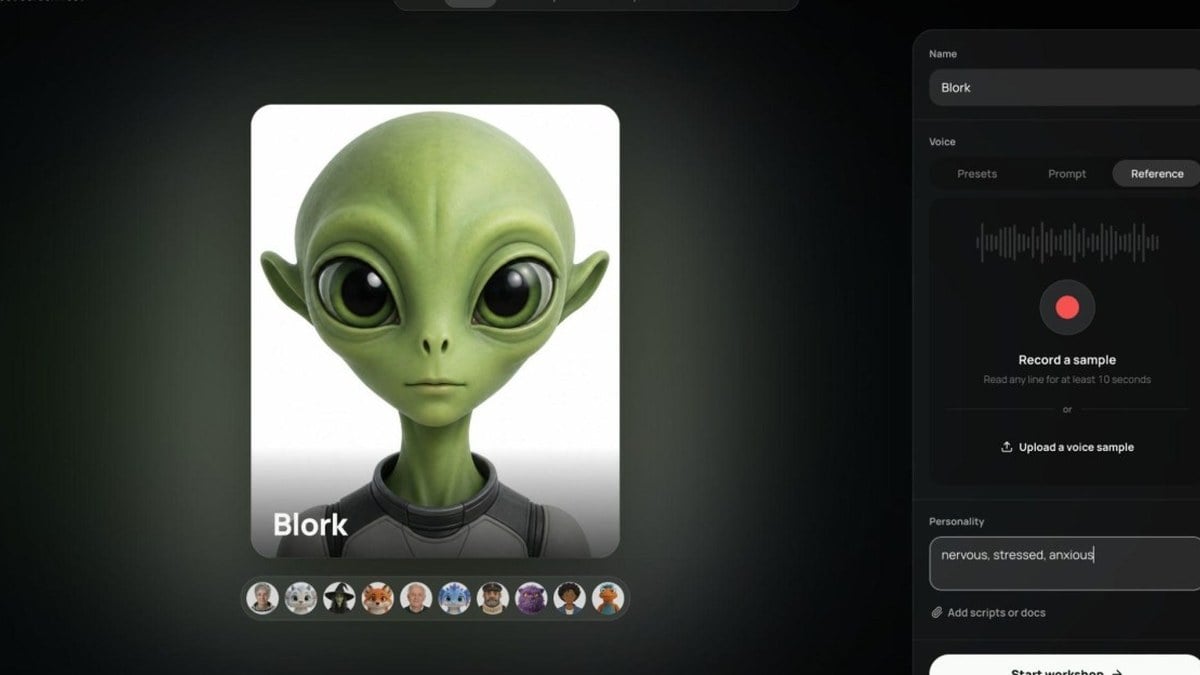
- Key facts & numbers: Project Screen Test turns character development into an audition: creators set base traits like "anxious, shy, awkward" plus a voice chosen from a preset, a text prompt or uploaded sample audio, then hold a FaceTime-style conversation to build backstory, goals, fears and movement quirks before generating animated screen tests in a described scenario; the writer found the results more identifiable and consistent than many "soulless" AI characters, but still far less creatively controllable than traditional animation. Project Sight Span converts any flat image — photos, paintings or illustrations — into a navigable 3D space, inventing objects and backgrounds outside the original frame while preserving artistic styles; tattoos and facial features stay recognizable, yet the reconstructed views are pixelated and ill-defined until a chosen angle restores resolution, leading the writer to say it feels less deserving of being called a photo. Project Sound Bender takes an uploaded video clip and a text prompt such as "bubbling sci-fi cauldron noises," then generates and auto-syncs sound effects to a square canvas whose four corners each hold a related noise, with cursor movement deciding which sounds stand out.
- What happens next: The buried caveat: Adobe's character tool still trails hand-drawn animation on control — and Sight Span's 3D view stops looking like a photo at all.
- Project Screen Test turns character development into an audition: creators set base traits like "anxious, shy, awkward" plus a voice chosen from a preset, a text prompt or uploaded sample audio, then hold a FaceTime-style conversation to build backstory, goals, fears and movement quirks before generating animated screen tests in a described scenario; the writer found the results more identifiable and consistent than many "soulless" AI characters, but still far less creatively controllable than traditional animation.
- Project Sight Span converts any flat image — photos, paintings or illustrations — into a navigable 3D space, inventing objects and backgrounds outside the original frame while preserving artistic styles; tattoos and facial features stay recognizable, yet the reconstructed views are pixelated and ill-defined until a chosen angle restores resolution, leading the writer to say it feels less deserving of being called a photo.
- Project Sound Bender takes an uploaded video clip and a text prompt such as "bubbling sci-fi cauldron noises," then generates and auto-syncs sound effects to a square canvas whose four corners each hold a related noise, with cursor movement deciding which sounds stand out.
- Project Rinse Repeat copies an edit and applies it to other people or objects in the same photo — airbrushing out one person's blemishes and transferring the fix, or adding shadows to differently shaped products — and because it runs inside Photoshop, the results stay fully editable with native Photoshop tools.
Why It Matters
If the four Max previews ship, generative AI lands inside Photoshop, Firefly and Creative Cloud — software creative professionals already pay for — and Adobe itself says useful versions would replace the tools and stock libraries those professionals rely on, while giving experienced artists more direct control over sound and framing than today's menus.
Sources Cited
Related Coverage
Ask SkimNews