Developers reject AI at GDC despite vendor blitz
The 30-Second Skim
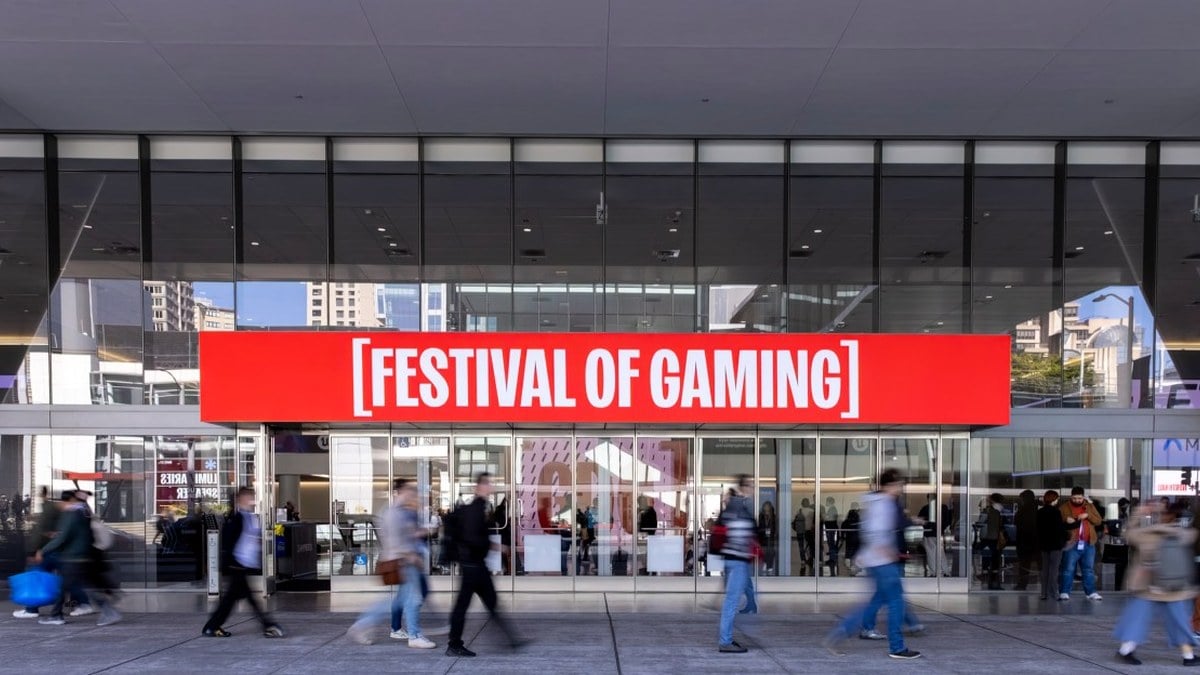
- What happened: At GDC Festival of Gaming, vendors and tech companies pushed generative AI tools aggressively — from AI-driven NPCs to AI-generated playable worlds — but the indie developers actually making games almost universally rejected the technology, citing craft, legal, and creative concerns.
- Key facts & numbers: Google DeepMind gave a standing-room-only GDC talk on playable AI-generated spaces, while Tencent demoed a pixel-art fantasy world built by its AI tools and Razer showed an AI QA assistant that auto-logs bugs in shooter games. Nearly every developer The Verge spoke to at GDC disavowed using AI in their projects, with most identifying as indie developers; a recent GDC survey found 52% of respondents view generative AI as having a negative impact on the industry, up from 30% in 2025 and 18% in 2024. Nvidia's DLSS 5, which added AI-altered faces to recognizable game characters, drew a largely negative reaction that the report says will likely further chill smaller developers' interest in the technology.
- What happens next: The split is stark: Google says it's the biggest shift in 30 years of games; the people making the games are checking boxes that say 'I confirm this is human-made.'
- Google DeepMind gave a standing-room-only GDC talk on playable AI-generated spaces, while Tencent demoed a pixel-art fantasy world built by its AI tools and Razer showed an AI QA assistant that auto-logs bugs in shooter games.
- Nearly every developer The Verge spoke to at GDC disavowed using AI in their projects, with most identifying as indie developers; a recent GDC survey found 52% of respondents view generative AI as having a negative impact on the industry, up from 30% in 2025 and 18% in 2024.
- Nvidia's DLSS 5, which added AI-altered faces to recognizable game characters, drew a largely negative reaction that the report says will likely further chill smaller developers' interest in the technology.
- Finji cofounders Adam and Rebekah Saltsman said "absolutely not" to using generative AI, arguing their games are defined by "a specific person or persons' fingerprints"; the pair also flagged that AI-generated art cannot be copyrighted, leaving no clear legal framework for selling it.
Why It Matters
The article surfaces a structural mismatch: AI vendors are pouring resources into game-industry tooling, but a growing share of developers (52% of GDC survey respondents, up from 18% two years ago) actively oppose using it. With major publishers like Finji, Panic, and BigMode now explicitly rejecting AI submissions — and the Saltsmans flagging that AI-generated art isn't copyrightable — the gap between vendor push and developer adoption isn't just philosophical; it has concrete legal and distribution consequences for any studio considering the technology.
Sources Cited
Related Coverage
Ask SkimNews