AI Device Boom at IFA 2026 Spans Pins, Earbuds, Robots
The 30-Second Skim
- What happened: Dedicated AI hardware is thriving at IFA 2026, two years after the Humane AI Pin and Rabbit R1 fizzled. New standalone devices — microphones, pendants, earbuds, robots — are now built around distinct AI use cases powered by the shift from chatbots to AI agents.
- Key facts & numbers: AI hardware is experiencing a boom at IFA 2026, two years after the Humane AI Pin and Rabbit R1 devices failed to deliver on their initial hype, with designers and startups building products around specific AI use cases rather than slapping AI badges on existing gadgets The shift from LLMs to AI agents capable of carrying out tasks is powering the growth, making today's standalone devices more than just search tools that exist outside a phone screen Jony Ive is collaborating with OpenAI on a rumored doughnut-shaped portable speaker, joining a wave of designers — including former Nothing employees — cooking up entirely new AI-first form factors
- What happens next: Humane AI Pin died for this. Two years later, the entire IFA floor is pins, pendants, and desktop robots — all hoping one form factor wins.
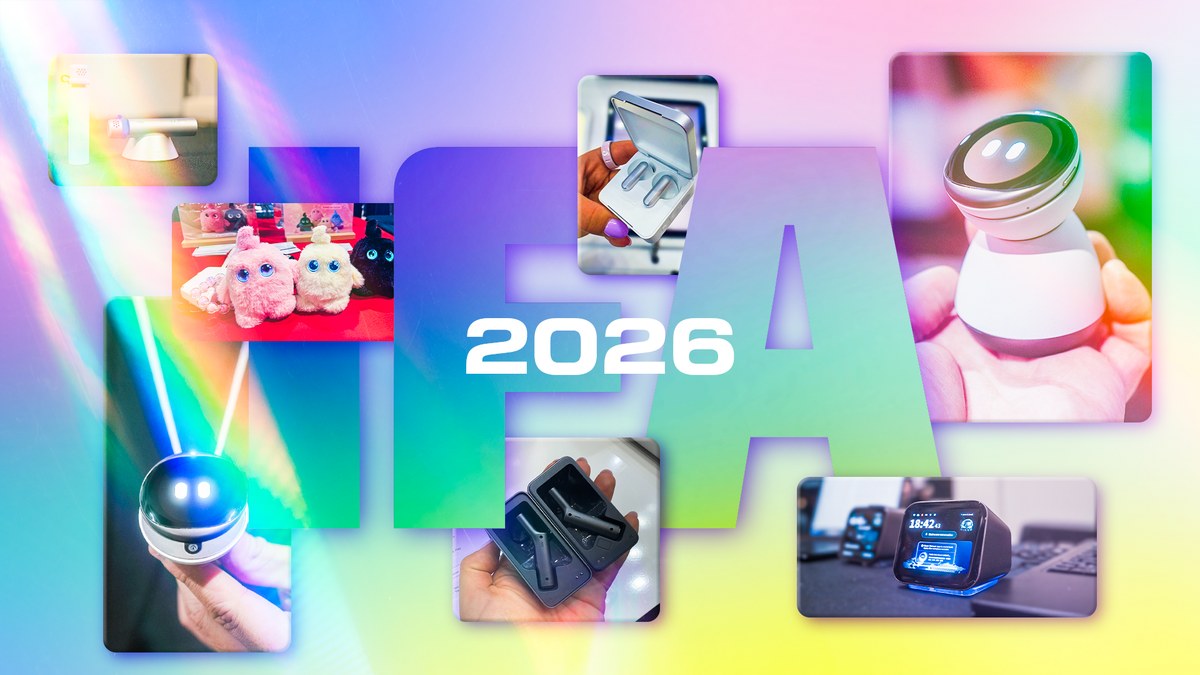
- AI hardware is experiencing a boom at IFA 2026, two years after the Humane AI Pin and Rabbit R1 devices failed to deliver on their initial hype, with designers and startups building products around specific AI use cases rather than slapping AI badges on existing gadgets
- The shift from LLMs to AI agents capable of carrying out tasks is powering the growth, making today's standalone devices more than just search tools that exist outside a phone screen
- Jony Ive is collaborating with OpenAI on a rumored doughnut-shaped portable speaker, joining a wave of designers — including former Nothing employees — cooking up entirely new AI-first form factors
- Relay Q, designed by former Nothing employees, is an AI microphone that captures whisper-level audio for desktop voice control and detaches into a magnetic pin that clips onto a collar
Why It Matters
Privacy is the biggest hurdle for AI hardware adoption, per FDM CCS Insight's Ben Hatton, who flagged data processing location as consumers' top question. Devices ranging from collar pins to always-listening earbuds and desktop robots force vendors to build trust while capturing the ambient context AI agents need. Plaud's three-form-factor portfolio signals companies are hedging bets across hardware types rather than committing to a single winner.
Sources Cited
- Google News Technology — From Wearables to Robots to Tabletop Trinkets, the AI Hardware Scene Is Booming - CNET
Related Coverage
Ask SkimNews