Aina raises $5.5M for AI-agent control hardware
The 30-Second Skim
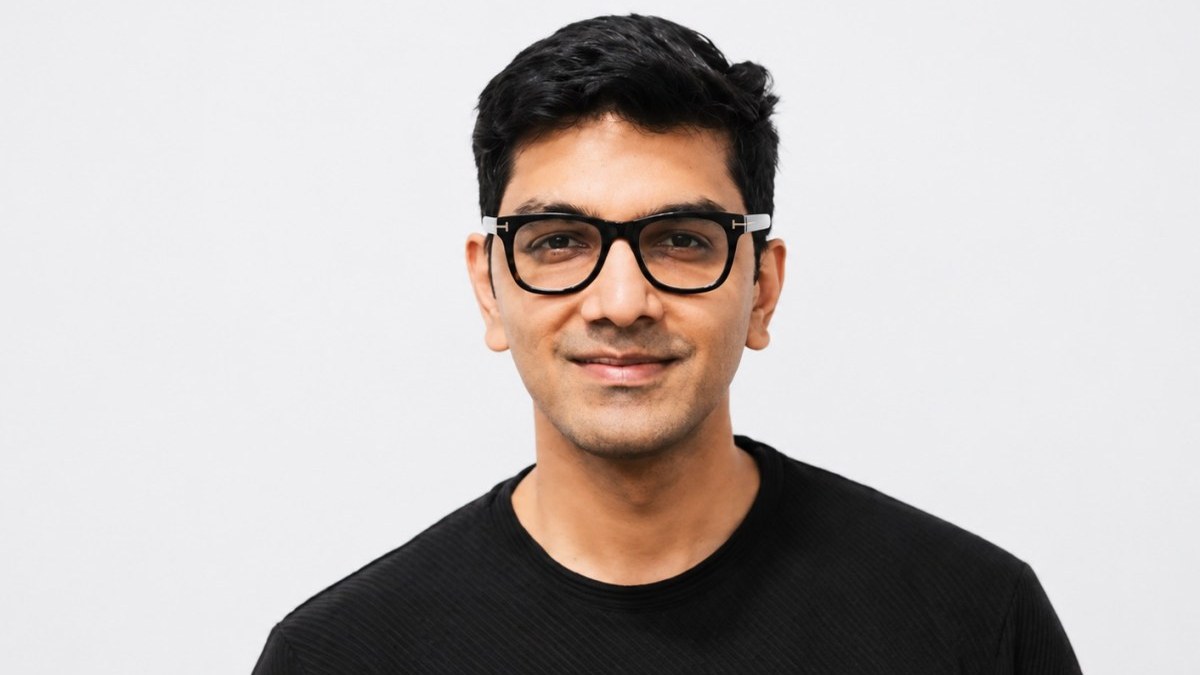
- What happened: Aina, a Bengaluru/SF startup founded by former Ultrahuman hardware VP Apoorv Shankar, raised $5.5 million to build hardware that actively controls AI agents rather than passively records users.
- Key facts & numbers: Aina raised $5.5M led by Redstart Labs (Infoedge) and 360 ONE, with MIXI Global Investments, Antler, and Blume Founders Fund participating — plus individual checks from WhatsApp head Kunal Shah, Razorpay co-founders Harshil Mathur and Shashank Kumar, and Scribd founder Tikhon Bernstam. Apoorv Shankar founded Aina (formerly Project Mirage) after leaving Ultrahuman, where he was VP of Hardware; he previously sold his earlier startup LazyCo — which made a ring for controlling other devices — to Ultrahuman. Dune, Aina's first shipping product, is a three-key "macro" keypad for controlling meeting mics/cameras and running app-specific shortcuts, selected after user testing beat two other prototypes: Radiance (a tabletop video-call remote) and Shift (a single-tap AI-agent trigger button).
- What happens next: Everyone's building a ring that listens. Shankar's bet: the winner is a keypad that makes AI do things.
- Aina raised $5.5M led by Redstart Labs (Infoedge) and 360 ONE, with MIXI Global Investments, Antler, and Blume Founders Fund participating — plus individual checks from WhatsApp head Kunal Shah, Razorpay co-founders Harshil Mathur and Shashank Kumar, and Scribd founder Tikhon Bernstam.
- Apoorv Shankar founded Aina (formerly Project Mirage) after leaving Ultrahuman, where he was VP of Hardware; he previously sold his earlier startup LazyCo — which made a ring for controlling other devices — to Ultrahuman.
- Dune, Aina's first shipping product, is a three-key "macro" keypad for controlling meeting mics/cameras and running app-specific shortcuts, selected after user testing beat two other prototypes: Radiance (a tabletop video-call remote) and Shift (a single-tap AI-agent trigger button).
- Shankar positioned Aina's next device as explicitly "action-oriented" — built to invoke AI agents using existing phone and laptop context, contrasting with always-listening wearables like the Sandbar ring, Plaud, Bee, and Friend.
Why It Matters
Shankar is explicitly differentiating from the passive-wearable crowd — rings, pins, and glasses that capture context — betting the interface opportunity is in devices that trigger AI workflows instead, a concrete positioning as OpenAI, Qualcomm, and Rabbit chase the same form-factor question with no clear winner yet.
Sources Cited
Related Coverage
Ask SkimNews