ChatGPT cracks 30-year-old math conjecture with four prompts
The 30-Second Skim
- What happened: A 30-year-old conjecture in graph theory was disproved by ChatGPT using just four short prompts totaling fewer than 60 words, underscoring AI's accelerating ability to crack open mathematical problems with minimal human input.
- Key facts & numbers: Dmitry Rybin, co-founder of AI startup Autokernel, posted a counterexample on X disproving the 30-year-old Dinitz-Garg-Goemans conjecture in graph theory, which had asked whether a logistics-style splitting problem can always be converted to a non-splitting one without increasing cost ChatGPT 5.6 Pro cracked the problem in 5.5 hours using only four prompts under 60 words total, with the initial prompt instructing the AI to "do a breakthrough and find a structured counterexample" and the remaining three prompting it to continue searching Chris Bowman-Scargill at the University of York noted a running joke in mathematics that every graph-theory conjecture is false, because structural behavior can shift dramatically once one or two vertices are added — explaining how such conjectures slip past human scrutiny
- What happens next: Four prompts. Under 60 words. 5.5 hours. A 30-year-old conjecture just died. The "pointing" problem is now the only human moat.
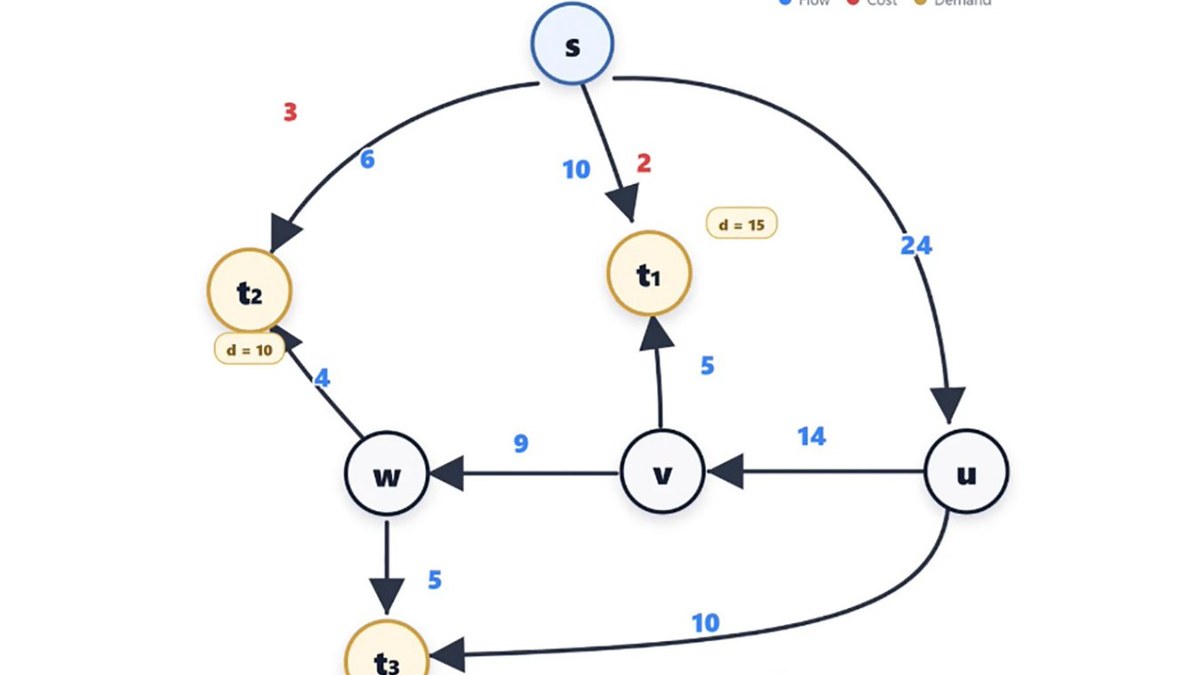
- Dmitry Rybin, co-founder of AI startup Autokernel, posted a counterexample on X disproving the 30-year-old Dinitz-Garg-Goemans conjecture in graph theory, which had asked whether a logistics-style splitting problem can always be converted to a non-splitting one without increasing cost
- ChatGPT 5.6 Pro cracked the problem in 5.5 hours using only four prompts under 60 words total, with the initial prompt instructing the AI to "do a breakthrough and find a structured counterexample" and the remaining three prompting it to continue searching
- Chris Bowman-Scargill at the University of York noted a running joke in mathematics that every graph-theory conjecture is false, because structural behavior can shift dramatically once one or two vertices are added — explaining how such conjectures slip past human scrutiny
- Abhishek Saha at Queen Mary University of London said AI is "already superhuman" at some mathematical tasks and there is "a fair bit of low-hanging fruit," but it cannot yet build the theory needed for the deepest open conjectures
Why It Matters
Mathematicians like Abhishek Saha acknowledge AI is "already superhuman" at certain tasks and the field has "a fair bit of low-hanging fruit" ripe for AI to clear, meaning the bottleneck on routine counterexamples has shifted from human effort to knowing which problems to point AI at. The consensus among researchers is that AI will handle the scrappy search work while humans focus on the deeper theoretical challenges that survive AI scrutiny — reframing the profession's near-term labor allocation.
Sources Cited
- New Scientist — Extremely basic AI prompt cracks decades-old maths problem
Related Coverage
Ask SkimNews